
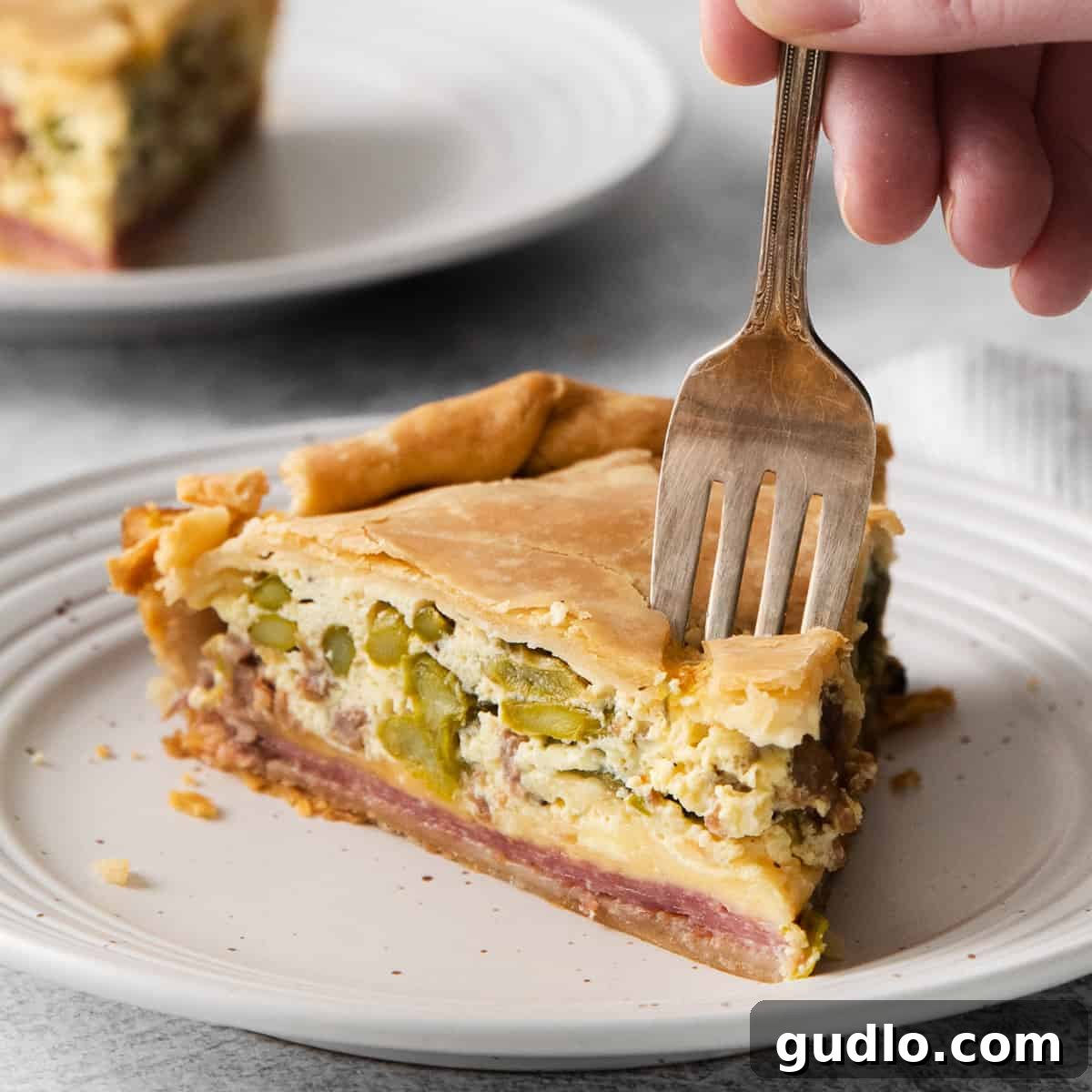
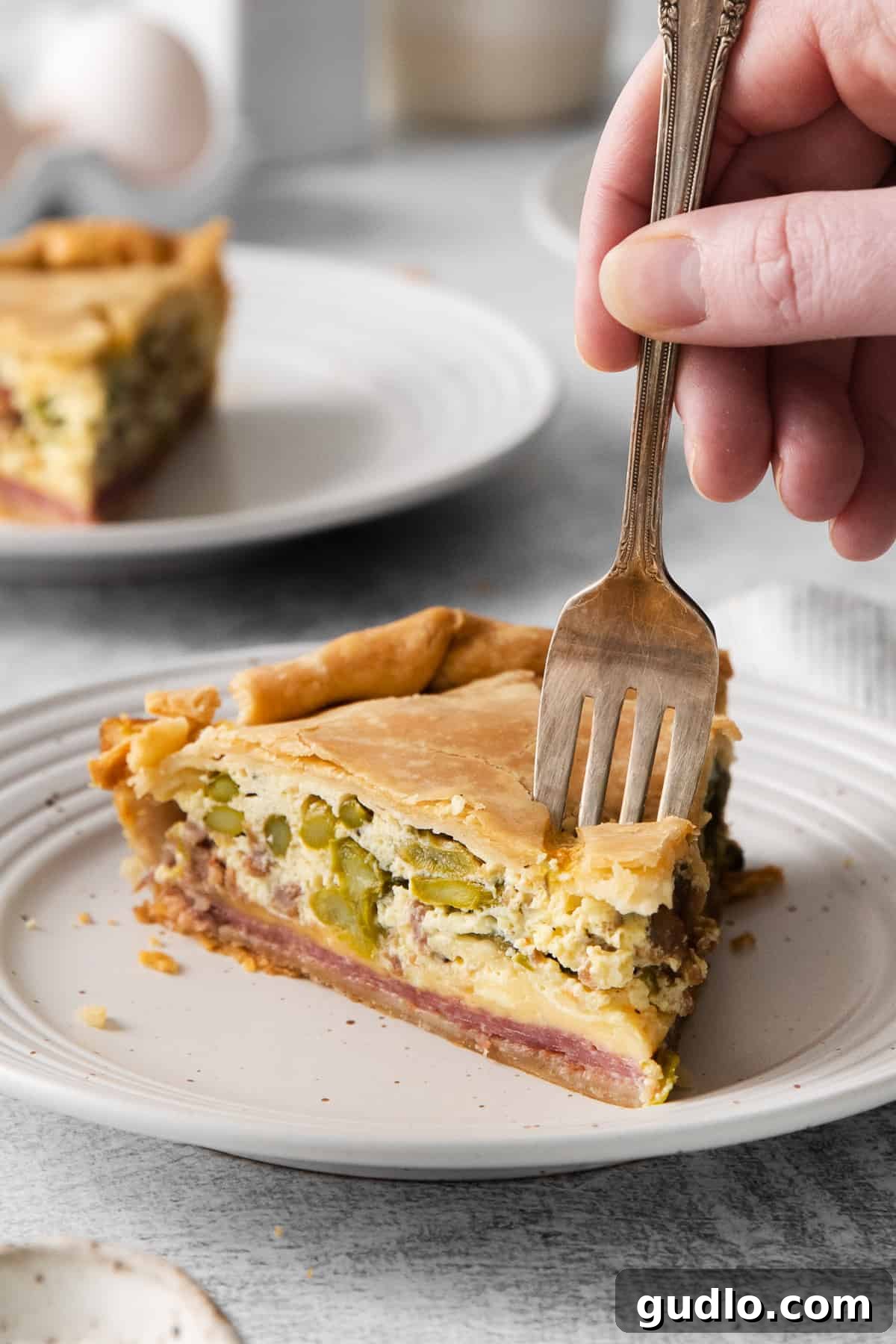
Italian Easter Pie, a beloved culinary tradition, takes center stage at any festive brunch, particularly during the Easter holidays. This robust and deeply flavorful dish, often known as Pizza Rustica or Pizza Gaina in various Italian regions, is a testament to rich ingredients and time-honored techniques. Our recipe brings together a harmonious blend of three distinct meats, finely chopped asparagus, and a sumptuously creamy ricotta and egg filling, all elegantly baked within two golden, flaky pie crusts. Prepare to delight your family and guests with this satisfying and memorable savory pie.
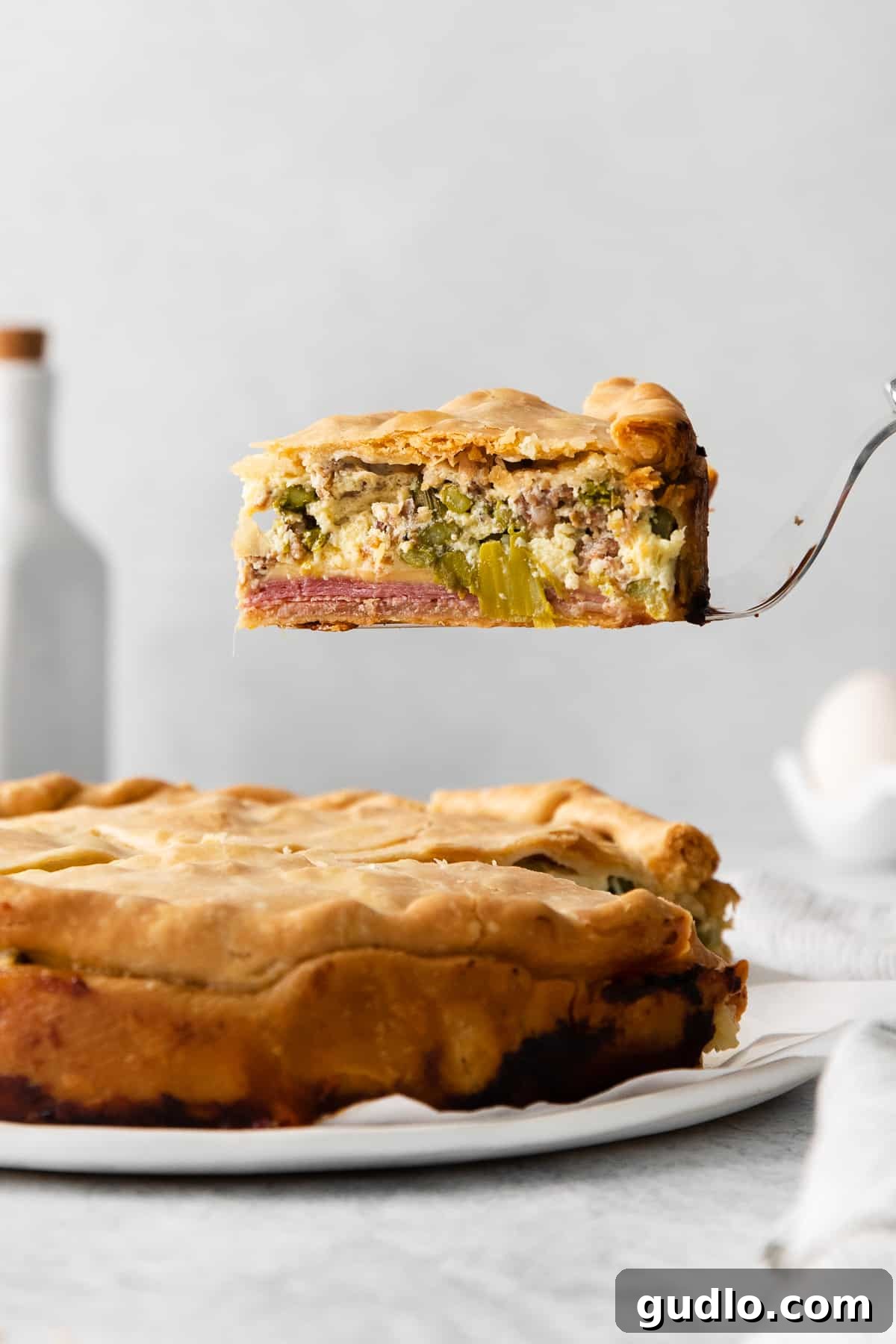
The Ultimate Italian Easter Pie (Pizza Rustica)
When the occasion calls for a show-stopping dish that embodies both comfort and tradition, look no further than this exquisite Italian Easter Pie. It’s more than just a recipe; it’s an experience designed to gather loved ones around the table, filling their bellies and hearts with incredible flavor. You’ll be captivated by the rich, creamy, and undeniably cheesy notes, complemented by a delightful medley of three different meats, a velvety ricotta and egg mixture, and subtle hints of fresh asparagus. This isn’t just a meal for Easter; it’s a dish you’ll find yourself craving and making again and again, year-round.
Why This Italian Easter Pie Will Be Your New Favorite
This savory Italian Easter Pie isn’t just a holiday staple; it’s a versatile and delicious dish perfect for any gathering. Here’s why it will quickly become a cherished recipe in your culinary repertoire:
- The Epitome of Brunch Comfort Food: Imagine a dish that is hearty, warm, and packed with savory goodness. This pie delivers precisely that, offering a satisfying and soul-nourishing experience ideal for a leisurely brunch, a celebratory lunch, or a comforting dinner.
- Generously Serves a Crowd: Designed to feed many, this Italian Easter Pie is perfect for family gatherings, holiday feasts, or potlucks. Its impressive size and rich flavors ensure there’s enough to go around, making entertaining effortless.
- Remarkably Adaptable Ingredients: While our recipe offers a traditional blend, the ingredients are highly flexible. Feel free to customize the meats, cheeses, and vegetables to suit your personal preferences or what you have on hand, allowing for endless delicious variations.
- Excellent for Make-Ahead & Freezing: Planning a big event? This pie can be prepared in advance, stored in the refrigerator, or even frozen for later enjoyment. Its ability to hold up beautifully after freezing makes it an ideal option for meal prepping or having a delicious meal ready when unexpected guests arrive.
Key Ingredients for an Authentic Italian Easter Pie
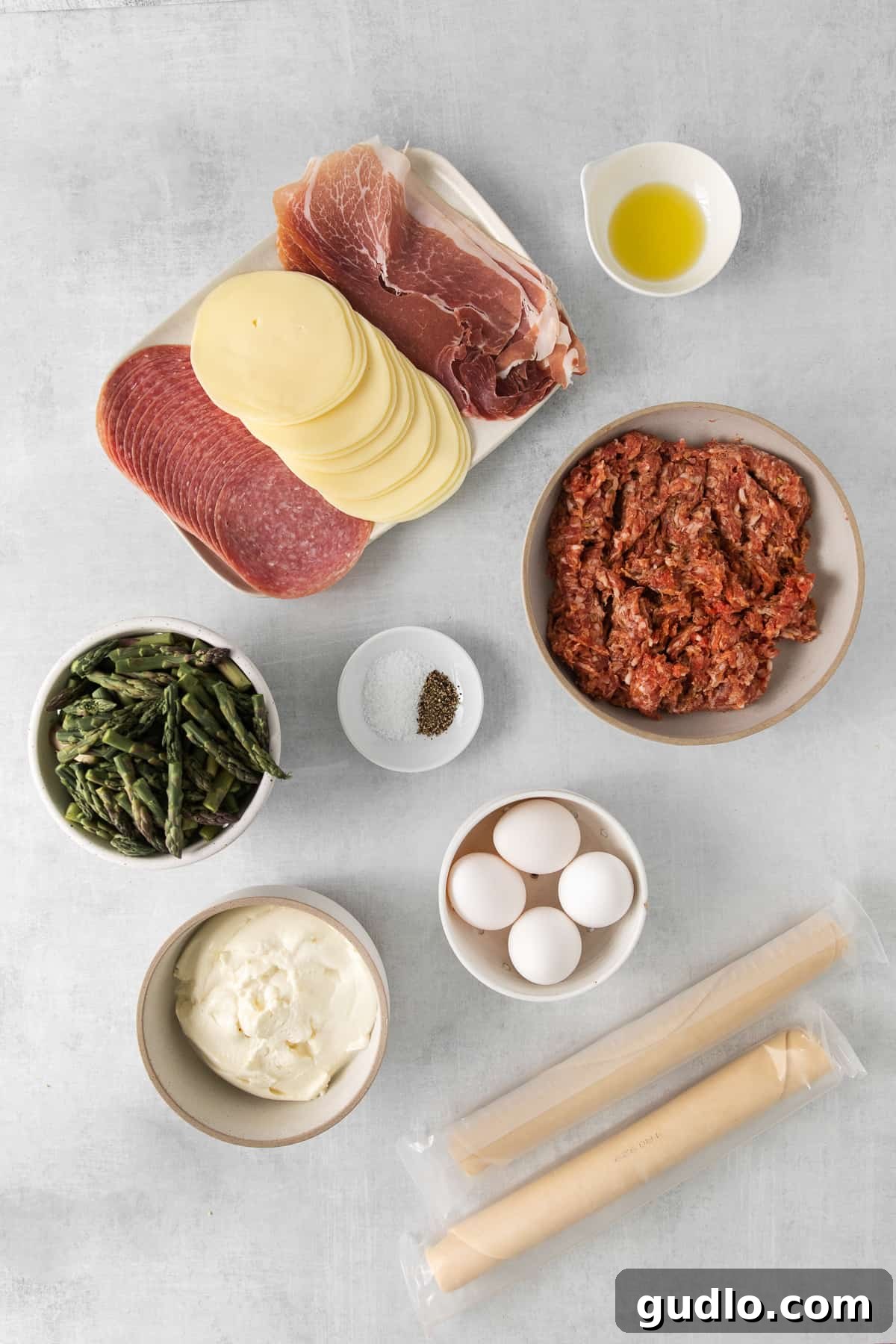
The magic of this Italian Easter Pie lies in the quality and combination of its core ingredients. Each component plays a vital role in creating the pie’s distinctive flavor profile and delightful texture. Here’s a closer look at what makes this recipe truly special:
- Italian Sausage: We particularly love the robust and aromatic flavor that good quality Italian sausage brings to this Easter pie. Whether you opt for mild or hot, its seasoned meat adds a crucial layer of savory depth. If Italian sausage isn’t available or preferred, feel free to substitute with your favorite ground meat, such as ground pork, beef, or even a flavorful plant-based alternative like crumbled seasoned mushrooms or lentils for a vegetarian twist.
- Two Pie Crusts: The foundation of our pie relies on two readily available pie crusts. While we’ve chosen the convenience of store-bought refrigerated crusts for ease and speed, don’t hesitate to use a homemade pastry if you prefer. Ensure your crusts are at least 10 inches in diameter to adequately line your springform pan and provide a generous top crust. A good quality, flaky crust is essential for the perfect bite.
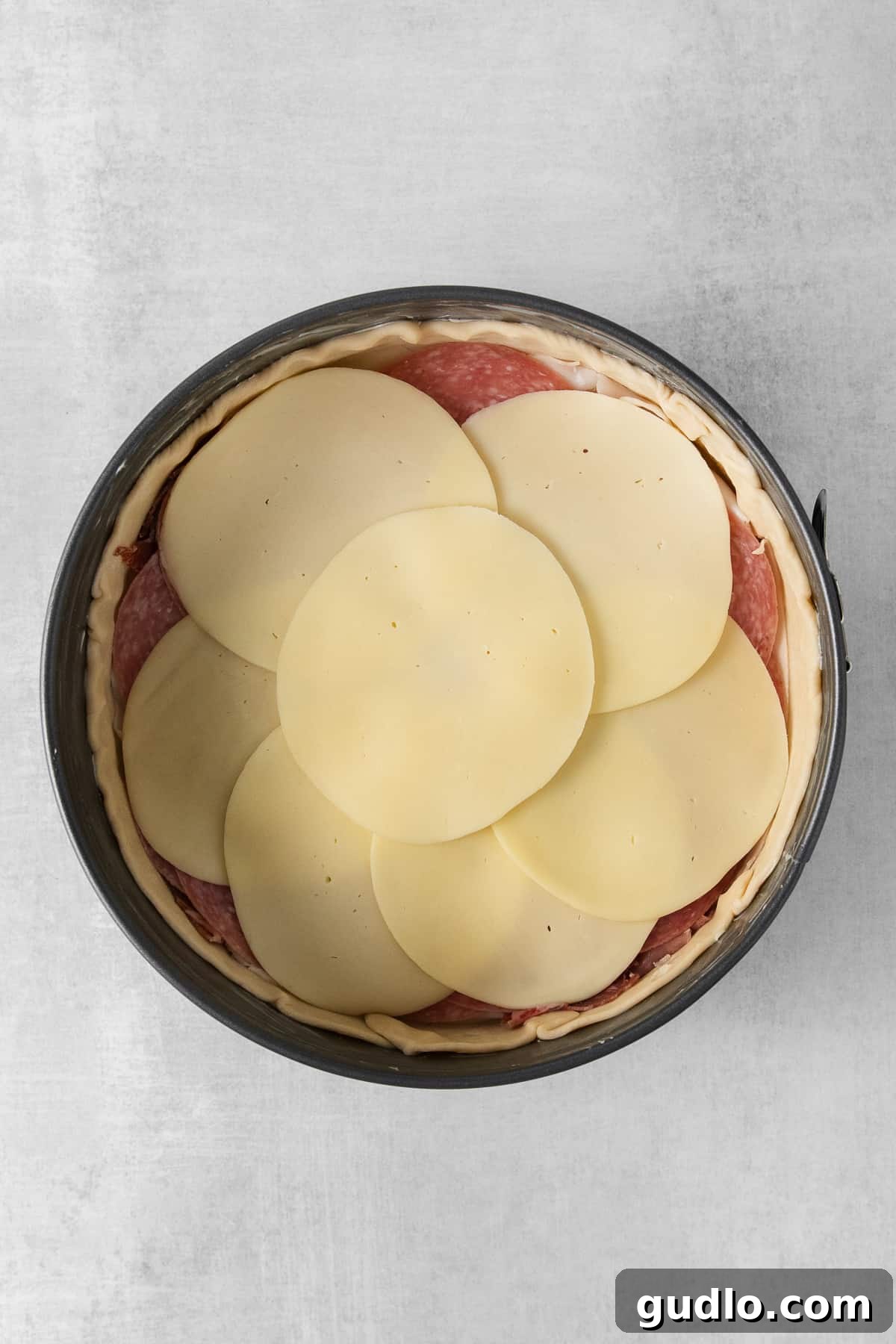
- Prosciutto & Salami: These classic Italian cured meats are not just for flavor; they play a traditional and functional role in this pie. Layering the delicate slices of prosciutto and robust salami at the base, directly on top of the bottom pie crust, is a time-honored method to create a flavorful barrier. This traditional layering helps to prevent the bottom crust from becoming soggy, ensuring a crispier base for your filling. You can also experiment with other cured meats like capicola or speck for a slightly different flavor.
- Provolone Cheese: Slices of provolone cheese are carefully placed alongside the prosciutto and salami layers, adding a mild, slightly tangy, and wonderfully melty cheese element. Provolone’s excellent melting qualities make it ideal for this pie. However, feel free to substitute with other good melting cheeses like mozzarella, fontina, or even a mix of Gruyère for added nuttiness.
- Eggs & Ricotta Cheese: These two ingredients are the heart of the pie’s creamy filling. The eggs act as a binder, setting the mixture as it bakes, while the ricotta cheese contributes an unparalleled creamy texture and a delicate, milky flavor. Together, they create a rich, custardy filling that perfectly balances the savory meats and robust cheeses. Using whole milk ricotta will yield the creamiest results.
- Asparagus: Finely chopped asparagus is a traditional spring vegetable often included in Italian Easter Pie, adding a fresh, slightly earthy, and vibrant green element. Its subtle flavor complements the richness of the meats and cheese. If asparagus isn’t in season or to your liking, diced bell pepper (red or green) or blanched spinach (squeezed dry) makes an excellent substitute.
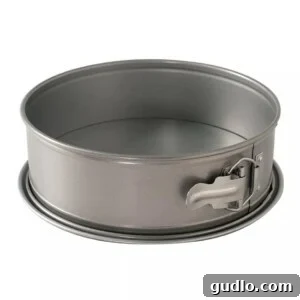
essential tool
The Versatile Springform Pan
A high-quality springform pan is indispensable for creating beautiful, perfectly shaped pies, cheesecakes, and tarts. Its removable sides allow for easy release without disturbing your delicate baked goods, making it a must-have in every well-stocked kitchen.
Crafting Your Italian Easter Pie: A Step-by-Step Guide
Creating this magnificent Italian Easter Pie is a rewarding culinary journey. Follow these detailed steps to ensure a perfect, flavorful result that will impress everyone at your table.
Step 1: Prepare the Italian Sausage
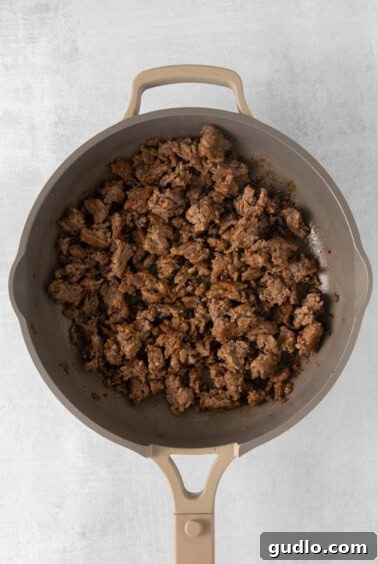
Begin by heating one tablespoon of olive oil in a large skillet over medium heat. Once the oil shimmers and becomes fragrant, add the 16 ounces of ground Italian sausage to the pan. Break the sausage apart with a spoon and cook for about 8-10 minutes, stirring occasionally, until it’s fully browned and cooked through. Ensure there’s no pink remaining. Drain any excess fat from the cooked sausage and set it aside to cool slightly.
Step 2: Assemble the Bottom Layers of the Pie
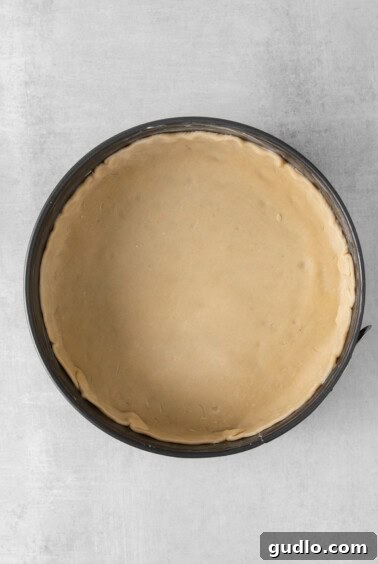
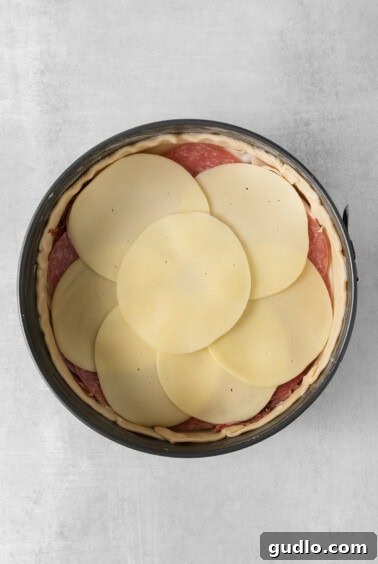
Preheat your oven to 350°F (175°C). Lightly grease a 9-inch springform pan with cooking spray or butter. Carefully unroll one of your refrigerated pie crusts and gently press it into the prepared springform pan. Make sure the crust fits snugly against the bottom and extends up the sides of the pan. Next, arrange the 3 ounces of sliced prosciutto evenly along the bottom of the pie crust. On top of the prosciutto, layer the 4 ounces of sliced salami, followed by the 8 ounces of sliced provolone cheese. This foundational layer is crucial for flavor and helps prevent a soggy bottom crust.
Step 3: Combine the Creamy Egg Filling
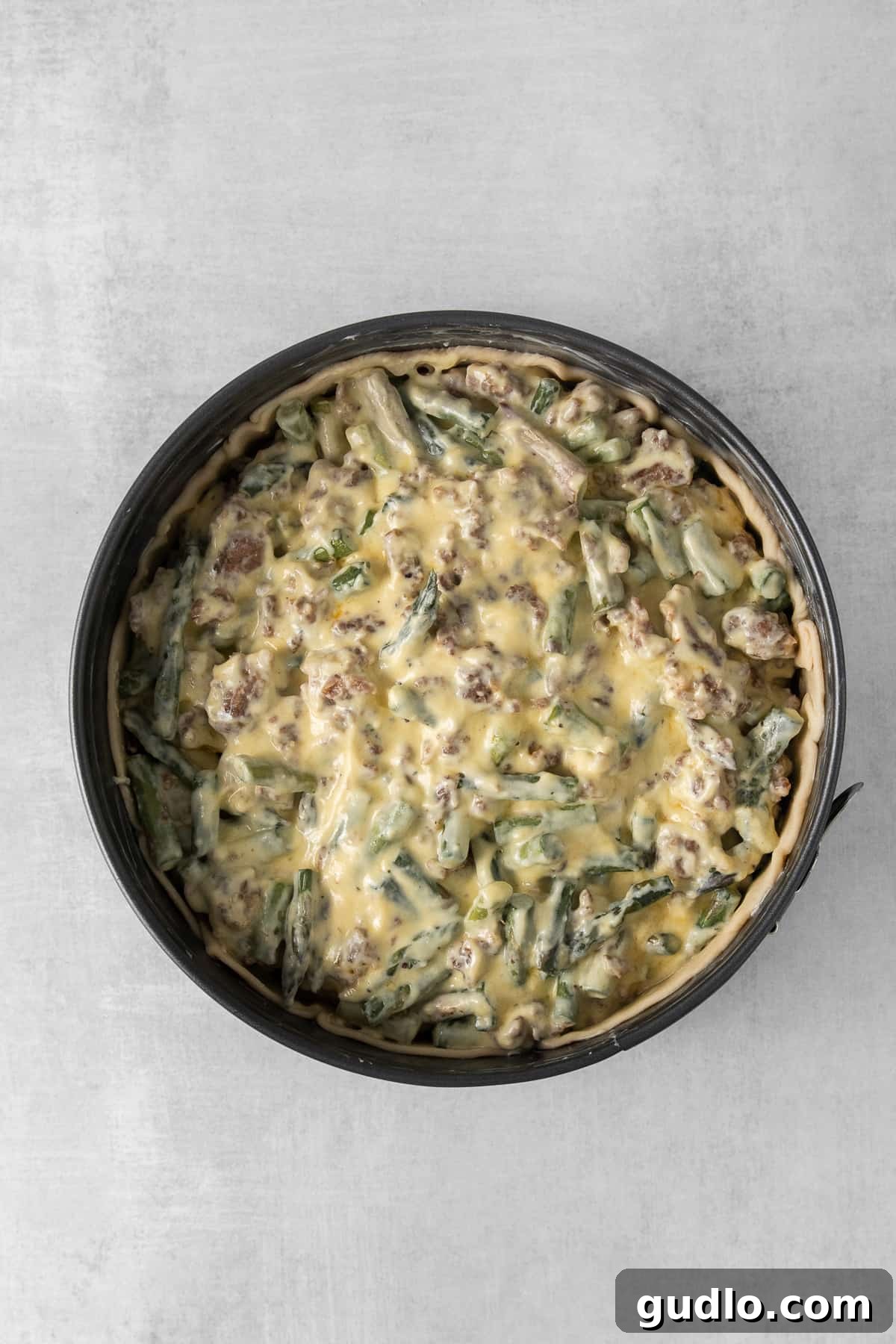
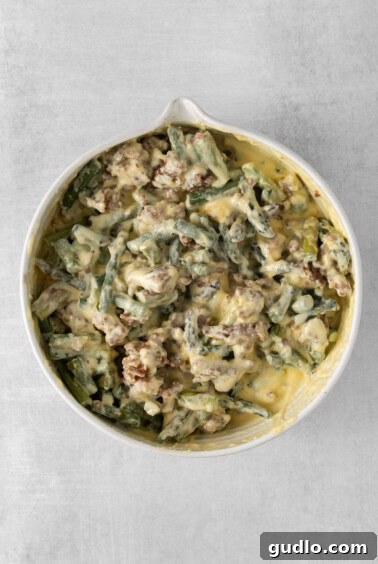
In a large mixing bowl, whisk together the 4 large eggs until they are well beaten. Add the 15 ounces of ricotta cheese, 1 teaspoon of kosher salt, and ½ teaspoon of cracked black pepper to the bowl. Whisk everything together until the mixture is smooth and thoroughly combined. Gently fold in the chopped 1 bunch of asparagus and the cooled, cooked Italian sausage. Mix until all ingredients are evenly distributed throughout the creamy ricotta mixture.
Step 4: Assemble the Remainder of the Pie
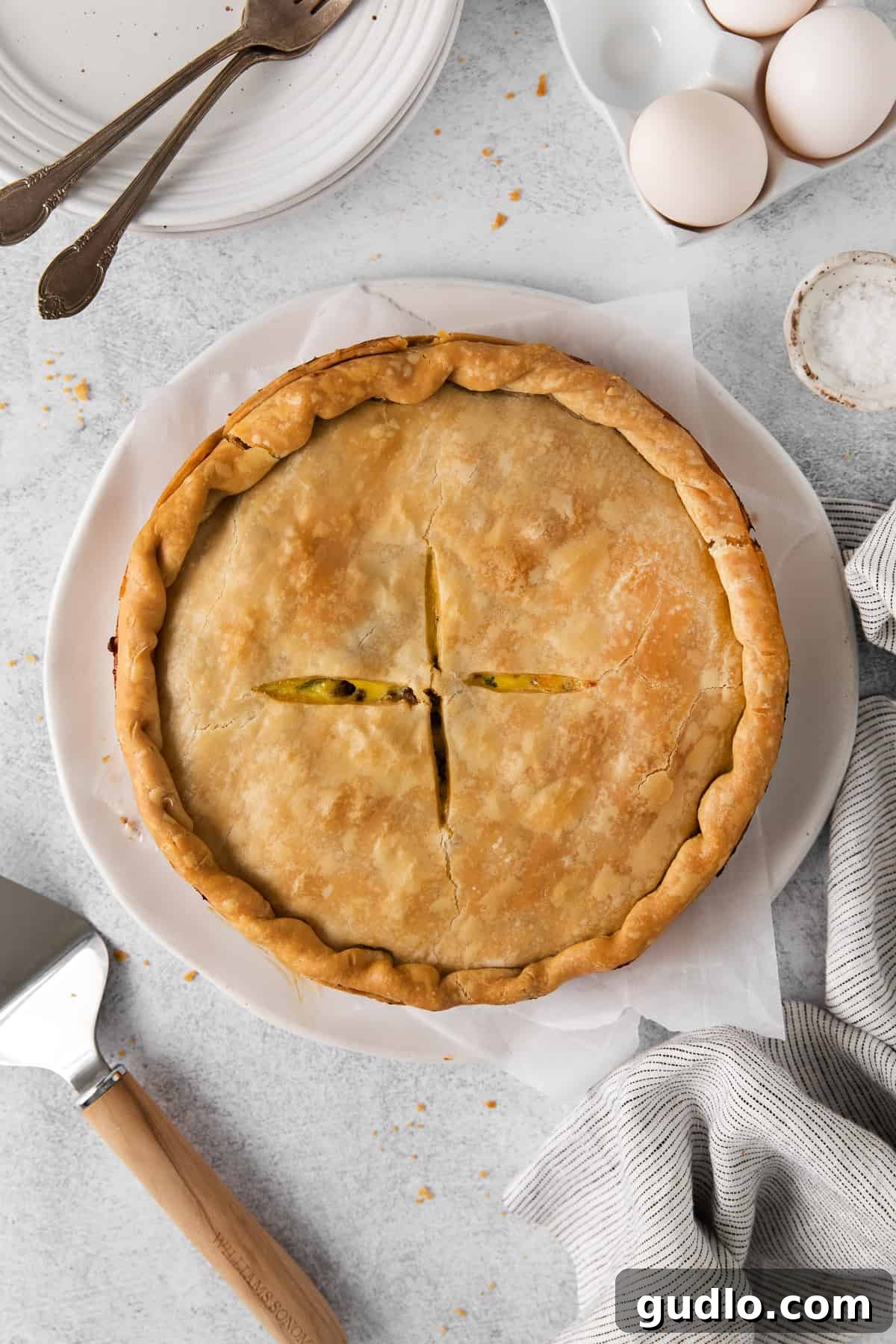
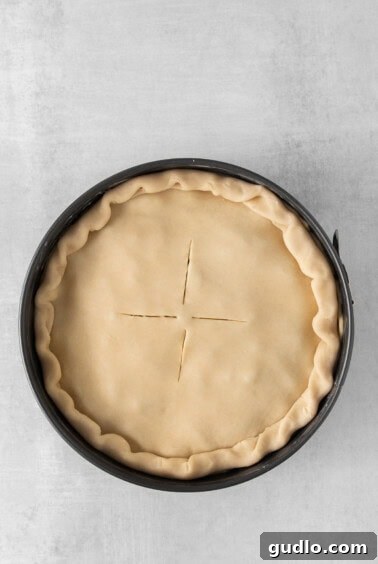
Carefully transfer the entire ricotta, egg, sausage, and asparagus mixture into the springform pan, spreading it evenly over the layers of cured meats and provolone cheese. Take the remaining pie crust and place it on top of the filling. Gently roll down the edges of the top crust inward, creating a decorative “pizza crust” look around the perimeter. Press this rolled edge firmly into the top edge of the bottom crust to seal it as much as possible. Cut four small slits into the top crust using a sharp knife to allow steam to escape during baking.
Step 5: Bake and Cool to Perfection
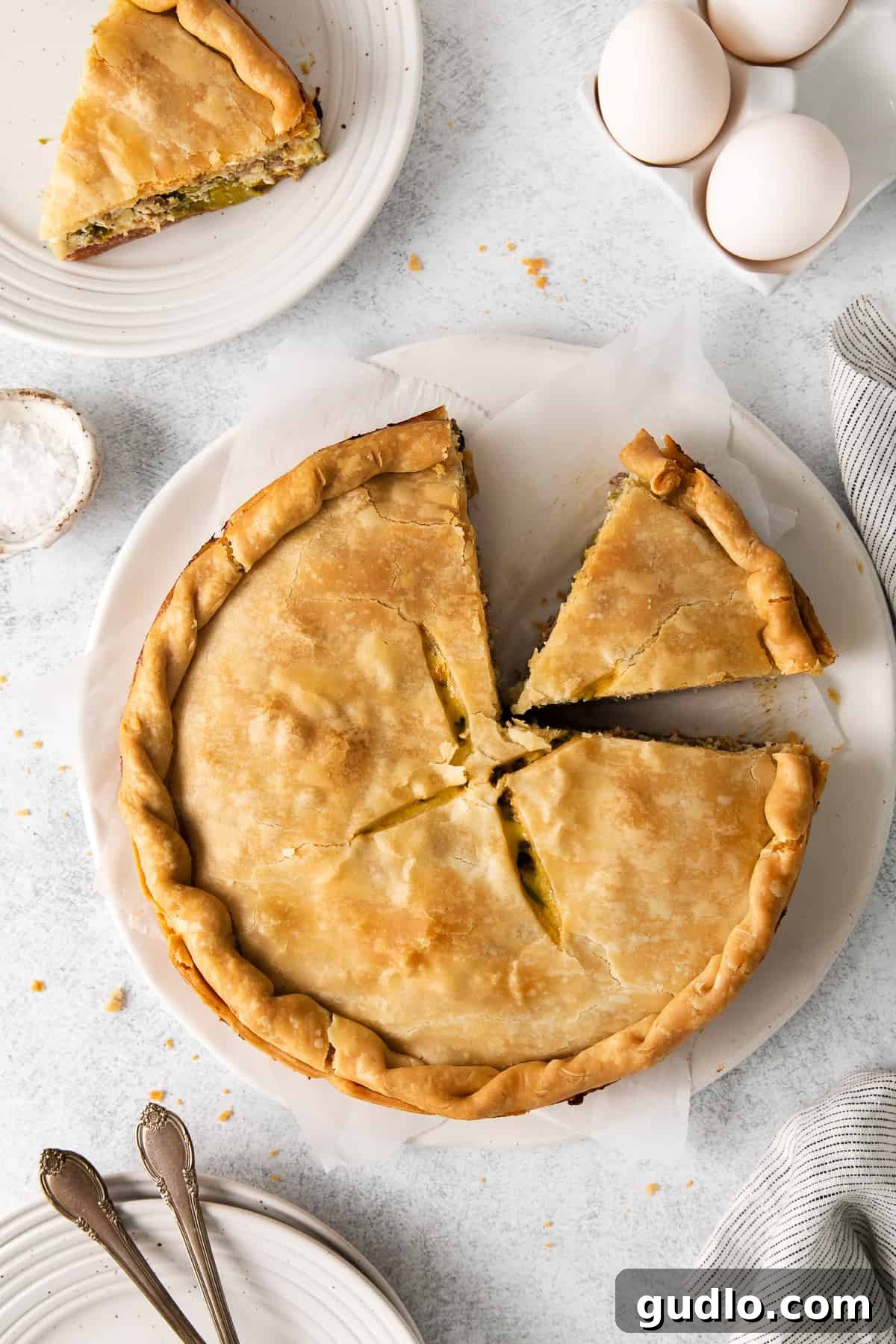
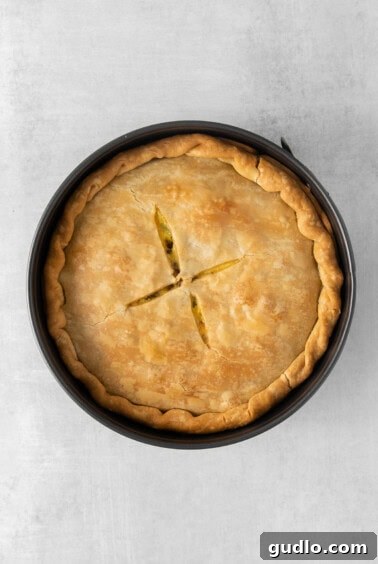
Place the assembled Italian Easter Pie into your preheated oven. Bake for approximately 1 hour, or until the top crust is golden brown and the internal temperature of the pie reaches 165°F (74°C) when checked with an instant-read thermometer inserted into the center. Once baked, remove the pie from the oven and place it on a wire rack. This next step is crucial: allow the Italian Easter Pie to cool for at least 45 minutes to 1 hour before carefully releasing the springform pan sides and slicing. This cooling period allows the creamy filling to set properly, ensuring clean and beautiful slices.
Top Tips for an Irresistible Italian Easter Pie
Achieving a perfect Italian Easter Pie is simple with these expert tips:
- Choose Your Crust Wisely: Whether you opt for homemade or store-bought, ensure your pie crusts are at least 10 inches in diameter to adequately fit a standard 9-inch springform pan. For store-bought crusts, Pillsbury or similar brands work wonderfully. If making your own, a classic shortcrust pastry will yield a flaky and tender result. For an extra flaky bottom, you can lightly pre-bake or “blind bake” the bottom crust for about 10-15 minutes before adding the fillings, though this isn’t strictly necessary with the meat layering technique.
- The Critical Cooling Period: This is arguably the most important step for a perfectly set pie. After baking, resist the urge to cut into your Italian Easter Pie immediately. Allow it to cool for at least 45 minutes, preferably longer (up to an hour), before slicing. If you cut into it while it’s still too hot, the creamy ricotta and egg filling may not have fully set, resulting in a runny center and messy slices. Patience ensures a beautifully firm and cohesive pie.
- Preventing a Soggy Bottom: Beyond the traditional layering of cured meats, you can also sprinkle a thin layer of breadcrumbs or grated Parmesan cheese on the bottom crust before adding the prosciutto and salami. This extra barrier can absorb any moisture, further ensuring a crisp crust.
- Seasoning is Key: Don’t be shy with seasoning the ricotta and egg mixture. Taste the filling before adding the raw eggs (or after adding all ingredients if you’re confident in your seasoning eye) and adjust salt and pepper as needed. The meats and cheeses will add their own saltiness, so balance is important.
- Ventilation for Success: Always remember to cut a few slits in the top crust before baking. These small vents are essential for allowing steam to escape, which prevents the crust from puffing up excessively or cracking unsightly.
Frequently Asked Questions About Italian Easter Pie
Italian Easter Pie, often called Pizza Rustica or Pizza Gaina, is a hearty, savory pie traditionally enjoyed during the Easter season. It’s typically filled with a rich combination of multiple varieties of cooked meats (like Italian sausage, salami, and prosciutto), various cheeses (such as ricotta, provolone, and often Parmesan), and eggs, all encased within a flaky pastry crust and baked in a springform pan. Seasonal vegetables like asparagus or spinach are also common additions.
Absolutely! Using store-bought pie crusts is a fantastic time-saver and works wonderfully for Italian Easter Pie. We specifically used two refrigerated store-bought pie crusts for this recipe – one for the bottom and one for the top. Just ensure they are large enough (at least 10 inches round) to fit your 9-inch springform pan, and gently press them into place for a snug fit.
Definitely! The beauty of Italian Easter Pie lies in its adaptability. While our recipe features salami, prosciutto, and Italian sausage, you have many options for substitution. You can swap out the Italian sausage for diced cooked ham, cooked ground beef, or even turkey sausage. For the cured meats, feel free to use pepperoni, pancetta, or speck. The key is to maintain a balance of savory, cured flavors. You can even create a vegetarian version using sautéed mushrooms, bell peppers, and spinach!
While both Italian Easter Pie and quiche are savory pies with an egg-based filling, they have distinct differences. Italian Easter Pie (Pizza Rustica) typically features a much richer, denser filling packed with a variety of meats and cheeses, often using ricotta cheese for a thick, creamy texture, and a more robust pastry crust. Quiche, on the other hand, usually has a lighter, more custardy egg and cream filling, often with fewer types of fillings (like single meat/vegetable and cheese), and a more delicate shortcrust pastry.
Yes, Italian Easter Pie is an excellent make-ahead dish, which is one of its many advantages, especially during busy holiday preparations. You can assemble the entire pie a day in advance, cover it tightly with plastic wrap, and store it in the refrigerator before baking. Alternatively, you can bake it fully, let it cool completely, and then store it in the fridge for up to 3-5 days, reheating slices as needed. It also freezes beautifully!
Your Italian Easter Pie is fully cooked when the top crust is a beautiful golden brown and the internal temperature in the center of the pie reaches 165°F (74°C). You can check this by inserting an instant-read thermometer into the thickest part of the filling. The filling should appear set and firm, not jiggly, when gently shaken. If the crust is browning too quickly, you can loosely tent the pie with aluminum foil during the last 15-20 minutes of baking.
Storing Your Italian Easter Pie
Proper storage ensures you can enjoy your delicious Italian Easter Pie for days after baking. If you have leftover pie, allow it to cool completely to room temperature. Then, transfer slices or the entire cooled pie to an airtight container. Store it in the refrigerator for up to 3-5 days. For best flavor and texture, ensure it’s well-sealed to prevent drying out.
When reheating: To warm individual slices or a larger portion, cover it loosely with foil and bake in a preheated oven at 350°F (175°C) for 10-15 minutes, or until the internal temperature reaches 165°F (74°C). This gentle reheating prevents the crust from becoming overly crisp and keeps the filling moist.
How to Freeze Italian Easter Pie for Later Enjoyment
Italian Easter Pie is an excellent candidate for freezing, allowing you to prepare it well in advance or save leftovers for a quick meal. Here’s how to freeze it effectively:
- Bake and Cool Completely: First, bake your Italian Easter Pie according to the recipe instructions. This is best done in a springform pan you don’t mind keeping in the freezer for a while, as it offers protection. Once baked, let the pie cool completely to room temperature on a wire rack. This is crucial to prevent condensation and ice crystals from forming during freezing.
- Wrap Securely: Once fully cooled, carefully wrap the entire pie (still in its springform pan if possible) with a layer of plastic wrap, pressing it firmly against the surface to remove as much air as possible. Then, add a second layer of aluminum foil, ensuring a tight seal to protect against freezer burn. Alternatively, you can slice the pie into individual portions, wrap each slice in plastic wrap, then foil, and place them in a freezer-safe bag or container.
- Freeze: Place the securely wrapped pie in the freezer. It can be stored for up to 3 months. For best quality, consume within this timeframe.
When reheating from frozen: You can reheat this Italian Easter Pie directly from frozen! Remove the foil and plastic wrap (if applicable), cover the pie loosely with fresh aluminum foil, and place it in a preheated oven at 350°F (175°C). Bake for approximately 30-45 minutes for individual slices, or 60-90 minutes for a whole pie, or until the internal temperature reaches 165°F (74°C). The foil helps prevent the crust from over-browning while the interior heats through.
More of Our Favorite…
Brunch Recipes You’ll Adore
- Fluffy Cheese Omelette
- Easy Ham and Cheese Quiche
- Decadent Cream Cheese French Toast Casserole
- Irresistible Cinnamon Roll Casserole
Italian Easter Pie Recipe
This authentic Italian Easter Pie recipe combines three savory varieties of meat with fresh chopped asparagus and a rich, creamy ricotta and egg filling, all baked inside two flaky pie crusts. A true delight for any festive occasion!
Emily Richter
15 mins
1 hr 30 mins
1 hr 45 mins
8
Print Recipe
Ingredients
- 1 tablespoon olive oil
- 16 oz. Italian sausage
- 2 refrigerated pie crusts, 14.1 oz. (homemade or store-bought)
- 3 oz. prosciutto, sliced
- 4 oz. salami, sliced
- 8 oz. provolone cheese, sliced
- 4 large eggs
- 15 oz. ricotta cheese
- 1 teaspoon kosher salt
- ½ teaspoon cracked black pepper
- 1 bunch asparagus, trimmed and chopped (~1 lb.)
Instructions
-
Heat the olive oil in a large pan over medium heat. When the oil becomes fragrant, add the Italian sausage to the pan. Cook for 10 minutes or until the meat is fully cooked and browned. Set aside.

-
Preheat the oven to 350℉ (175°C) and generously spray a 9-inch springform pan with cooking spray or grease with butter.
-
Place one pie crust into the springform pan. Press the crust firmly into the pan so that it lines the bottom and extends up the sides.
-
Layer the prosciutto slices along the bottom of the pie crust. Follow with a layer of salami, and then top with the sliced provolone cheese. Set the pan aside.
-
In a large bowl, whisk the eggs until well combined. Add the ricotta cheese, salt, and pepper, and whisk again until the mixture is smooth. Gently fold in the chopped asparagus and the cooked Italian sausage.
-
Transfer the ricotta mixture into the springform pan, spreading it evenly over the meat and cheese layers. Place the remaining pie crust on top. Roll down the sides of the top crust inward to create a decorative edge, and gently press this into the top of the bottom crust to seal. Cut 4 small slits into the top of the crust to allow steam to escape.
-
Bake for 1 hour, or until the top crust is golden brown and the internal temperature of the center reaches 165℉ (74°C). Allow the pie to cool for at least 45 minutes before carefully removing the springform sides and serving.
Tips & Notes
- For homemade crusts, ensure they are at least 10 inches round to fit a 9-inch springform pan.
- The bottom crust may not be large enough to fully meet and roll into the top crust. Simply press the rolled edge of the top crust into the top edge of the bottom crust as best as you can. A perfect seal isn’t always achievable or necessary.
- 1 lb. of diced, cooked ham is an excellent substitute for the Italian sausage if you prefer.
- For a different vegetable twist, diced red bell pepper or sautéed spinach (squeezed dry) would be a great substitute for asparagus.
Nutrition
Calories: 732 kcal, Carbohydrates: 24 g, Protein: 31 g, Fat: 56 g, Fiber: 1 g, Sugar: 0.4 g
Nutrition information is an approximation calculated automatically and should be used as a general guide.
Love this recipe? Leave a comment below!
Don’t forget to tag your culinary creations on social media with the hashtag #cheeseknees. We’d absolutely love to see what you’re cooking up!