
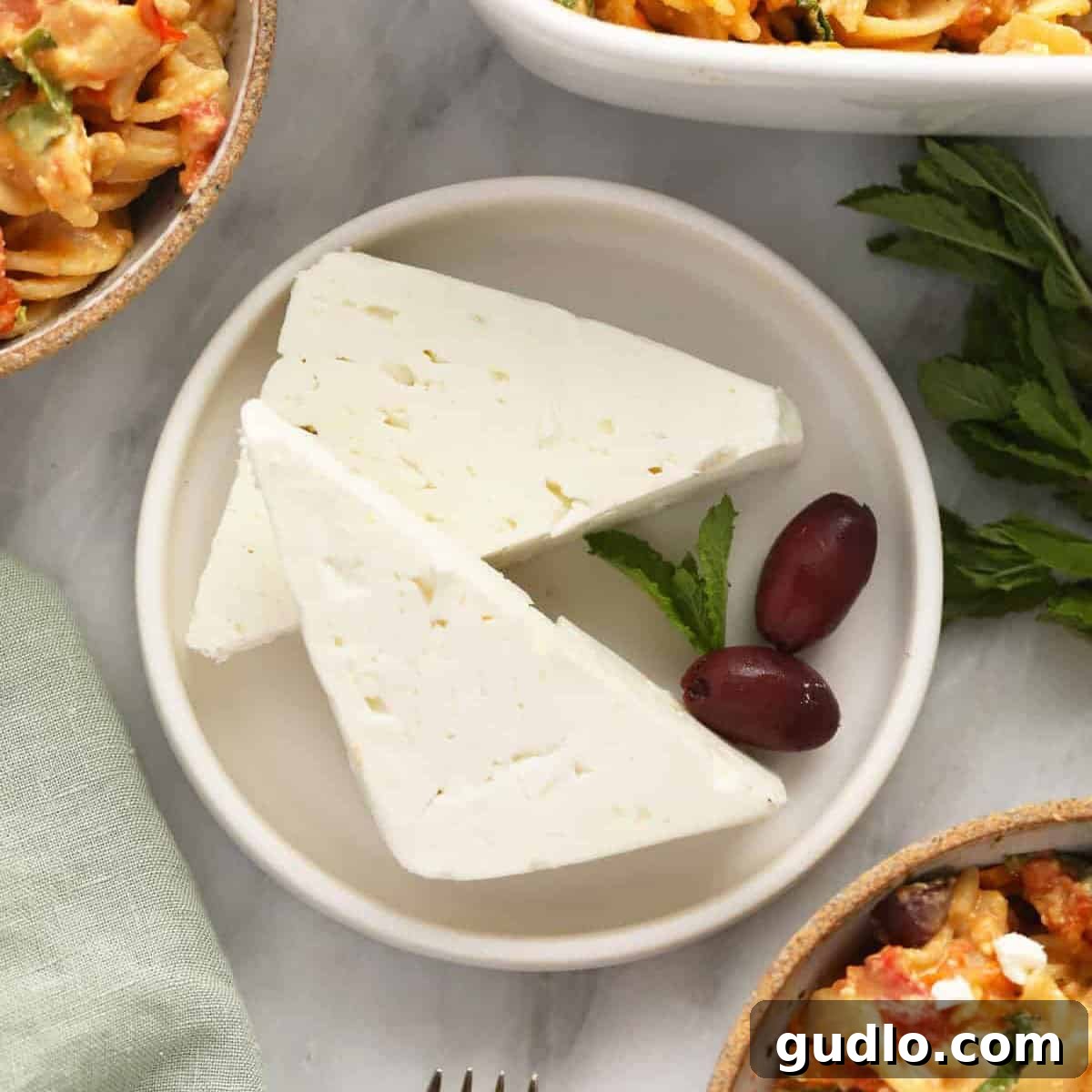
Welcome to the ultimate guide for one of the world’s most beloved and distinctive cheeses: **Feta cheese**. With its tantalizing salty tang and wonderfully crumbly yet creamy texture, feta has captured the hearts and palates of food enthusiasts worldwide. Originating from the sun-drenched landscapes of Greece, this iconic cheese is more than just a culinary ingredient; it’s a staple of the Mediterranean diet and a testament to centuries of cheesemaking tradition. In this comprehensive post, we will embark on a delightful journey to explore every facet of feta cheese, from its ancient roots and unique production methods to its impressive nutritional profile and myriad delicious uses in the kitchen. Whether you’re a long-time fan or new to its charm, prepare to discover why feta remains an indispensable part of healthy and flavorful cooking, along with some irresistible **feta cheese recipes** to inspire your next meal.
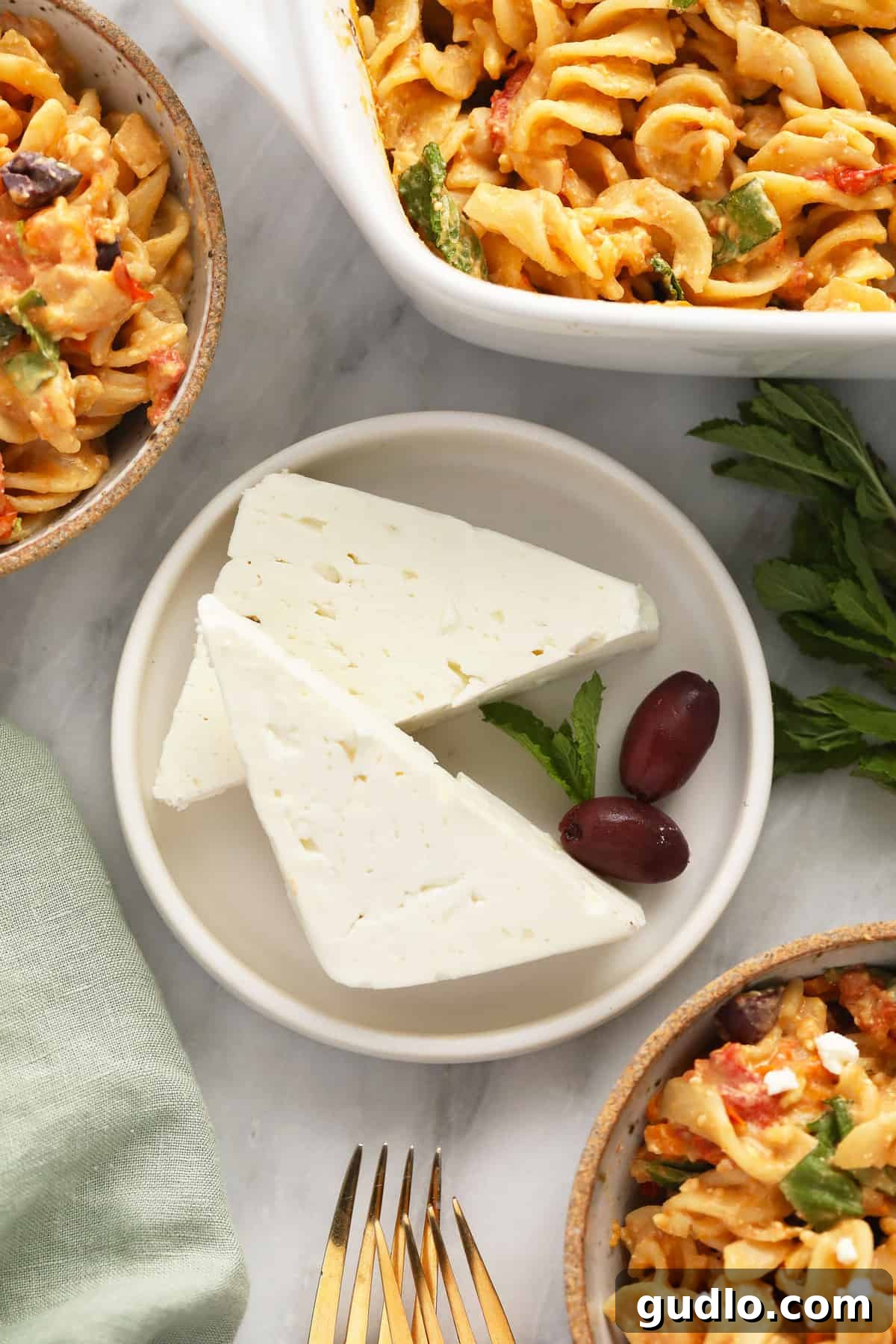
What Exactly is Feta Cheese? Unpacking its Rich History and Distinctive Qualities
At its core, **feta cheese** is a traditional Greek brined curd cheese, celebrated globally for its unique flavor and texture. It is predominantly crafted from sheep’s milk, or a combination of sheep’s and up to 30% goat’s milk. What sets authentic feta apart is its Protected Designation of Origin (PDO) status, meaning only cheese produced in specific regions of Greece, using traditional methods and specific milk, can legally be called “Feta.” This PDO status safeguards its heritage and ensures its unparalleled quality.
The cheesemaking process involves coagulating the milk, pressing the curd, and then cutting it into blocks. These blocks are then dry-salted and placed in wooden barrels or tin containers filled with brine (a saltwater solution), where they mature for at least two months. This brining process is crucial, imparting feta with its characteristic firm yet crumbly texture and its signature salty, tangy, and slightly piquant flavor. When fresh, feta is generally firm to the touch, easily crumbled, and boasts a stark white appearance.
What is Feta Cheese Made From? Authentic Feta cheese is typically made from sheep’s milk, or a blend of sheep’s milk and up to 30% goat’s milk. The specific ratio can influence its flavor nuances, with higher goat’s milk content often lending a slightly more piquant, earthy note.
What Does Feta Cheese Taste Like? Feta offers a complex and invigorating taste experience. It is distinctly sharp and salty, underscored by a refreshing tang, reminiscent of lemon. Depending on the milk source and aging, some varieties might present subtle peppery or nutty undertones, making it a highly versatile flavor enhancer in numerous dishes.
How Many Calories in Feta Cheese? For those mindful of their intake, feta is a relatively moderate choice. In a standard 1-ounce (approximately 28-gram) serving of feta cheese, you’ll find around 75 calories, making it a flavorful addition that doesn’t significantly overload your caloric budget.
Feta Cheese Nutrition: A Snapshot of Its Health Benefits
Beyond its delectable taste, feta cheese also brings a notable nutritional punch to the table. As a dairy product, it’s a valuable source of essential vitamins and minerals, contributing positively to a balanced diet. Here’s a detailed look at the nutrition information for a 1-ounce (28g) serving of feta cheese, highlighting its key components:
- Calories: Approximately 75 kcal
- Total Fat: Around 6g (including saturated and unsaturated fats)
- Carbohydrates: Approximately 1g (very low, making it suitable for low-carb diets)
- Fiber: 0g (typical for cheese)
- Sugar: Approximately 1g (naturally occurring milk sugars)
- Protein: Around 4g (a good source of protein for muscle repair and satiety)
- Sodium: Significant, due to brining. Always check labels for exact figures, but typically around 300-400mg.
- Calcium: An excellent source, vital for bone health, typically providing around 15% of the Daily Value.
- Vitamin B12: Contributes to nerve function and red blood cell production.
- Riboflavin (B2): Important for energy metabolism.
- Phosphorus: Works with calcium for strong bones and teeth.
Feta is also known to contain beneficial probiotics, which can support gut health. Its relatively lower fat and calorie content compared to many other cheeses, combined with its high protein and calcium levels, makes it a nutritious and flavorful choice, especially when consumed in moderation as part of a Mediterranean-style diet.
Culinary Uses and Perfect Pairings for Feta Cheese
Feta’s versatility in the kitchen is truly remarkable, making it a star ingredient across various cuisines, especially Mediterranean and Greek. Its salty, tangy profile can elevate simple dishes into culinary masterpieces. Here are just a few ways to incorporate this delightful cheese into your meals:
- Salads: The most classic application! Feta is indispensable in Greek salads, complementing fresh tomatoes, cucumbers, red onions, olives, and a simple vinaigrette. It also works beautifully in grain salads, pasta salads, or even fruit salads (think watermelon and mint).
- Baked and Roasted Dishes: Its ability to soften without fully melting allows it to shine in baked dishes. Baked feta pasta, roasted vegetables (like bell peppers, zucchini, and eggplant), or even baked eggs with feta are popular choices. When baked, it develops a slightly creamy texture while retaining its distinct flavor.
- Dips and Spreads: Whipped feta dip, a creamy blend of feta, olive oil, and herbs, makes an excellent appetizer with pita bread or fresh vegetables. It can also be crumbled into hummus or other Mediterranean spreads.
- Pasta and Grains: Beyond the viral baked feta pasta, crumble feta over hot pasta dishes, risottos, or grain bowls for an instant flavor boost. Its saltiness perfectly balances richer sauces.
- Pizzas and Flatbreads: Instead of mozzarella, try feta on pizzas, especially those with Mediterranean toppings like spinach, olives, and sun-dried tomatoes. It creates a wonderfully piquant counterpoint.
- Breakfast and Brunch: Feta is fantastic in omelets, scrambled eggs, or breakfast burritos. It also adds a savory kick to frittatas and quiches, particularly when paired with spinach or other greens.
- Meats and Poultry: Stuff chicken breasts or lamb patties with feta for a burst of flavor. Its tanginess cuts through the richness of meats, as seen in dishes like sheet pan chicken gyros.
When it comes to pairings, feta loves fresh herbs like oregano, mint, and parsley. It pairs exceptionally well with olive oil, lemons, garlic, and honey, creating a balance of sweet, savory, and tangy notes. For drinks, crisp white wines, light rosés, or even a refreshing iced tea can complement its bold flavor.
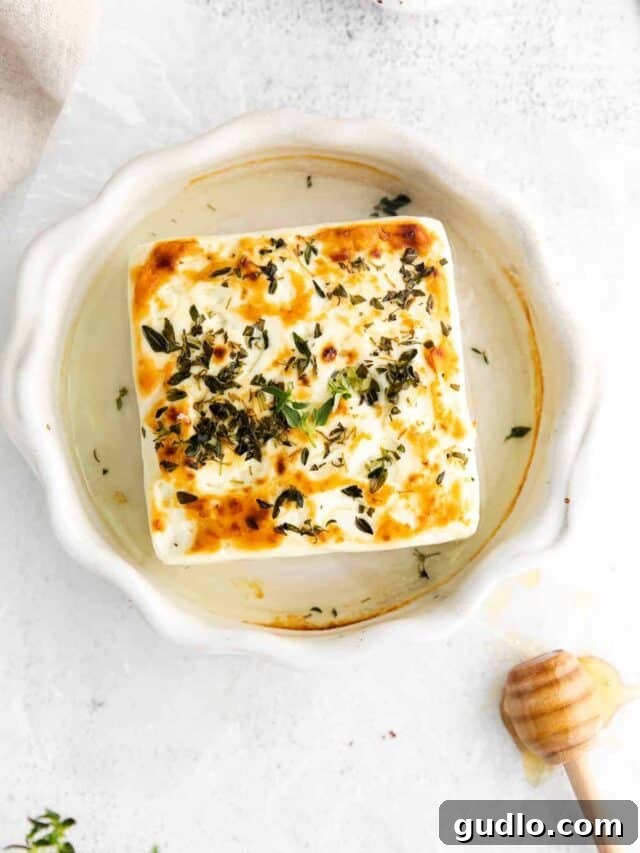
The Best Substitutes for Feta Cheese
While feta’s unique flavor and texture are hard to replicate exactly, there are several excellent substitutes you can use in a pinch, depending on whether you prioritize taste, texture, or both. The ideal replacement often depends on the specific dish you’re preparing.
The top recommended substitute for feta cheese, particularly for its similar texture and flavor profile, is **Queso Fresco**. This fresh, unripened Mexican cheese shares feta’s crumbly texture and mild saltiness, making it a fantastic stand-in for salads, tacos, or as a topping. While not as sharp or tangy as traditional Greek feta, its fresh dairy notes and ability to hold its shape are quite comparable.
Other notable substitutes include:
- Goat Cheese (Chèvre): While different in texture (often creamier) and flavor (more distinctly “goaty” and earthy), a firm, crumbly goat cheese can offer a similar tang and saltiness, especially in salads or tarts.
- Ricotta Salata: This salted, aged, and pressed ricotta is firm, dry, and easily crumbles, much like feta. It has a milky, slightly salty flavor that is less pungent than feta but still offers a pleasant savory note, working well in salads and pasta dishes.
- Halloumi: Known for its high melting point and squeaky texture, halloumi doesn’t offer the same crumbly quality as feta. However, its saltiness and ability to be grilled or fried make it a good substitute in warm dishes where you want a firm, savory cheese that holds its shape.
- Cotija Cheese: Sometimes called “Mexican Parmesan,” Cotija is a hard, crumbly, and salty cow’s milk cheese. It shares feta’s dry texture and saltiness, making it suitable for sprinkling over dishes, though its flavor is sharper and less tangy.
- Tofu (Firm or Extra-Firm): For a dairy-free or vegan alternative, pressed firm or extra-firm tofu can be crumbled, marinated in a salty, tangy brine (lemon juice, vinegar, salt, olive oil, and herbs), and used to mimic feta’s texture and flavor in salads or cooked dishes.
When choosing a substitute, consider the role feta plays in your recipe. If it’s about the sharp tang and saltiness, goat cheese might be best. If it’s about the crumbly texture and mild salt, queso fresco or ricotta salata could be perfect.
Top 5 Irresistible Feta Cheese Recipes You Must Try
Feta’s versatility shines brightest in the kitchen, transforming everyday ingredients into extraordinary meals. Here are five of our favorite feta-centric recipes that beautifully showcase its unique qualities:
- Baked Feta Pasta: This viral sensation is incredibly easy to make and bursting with flavor. Cherry tomatoes, olive oil, and a block of feta are baked until soft and creamy, then tossed with pasta for a quick, comforting, and utterly delicious meal. The feta melts down into a rich, tangy sauce that clings perfectly to every strand.
- Starbucks Spinach Feta Wrap (Homemade): Recreate this popular breakfast item at home with ease. Wholesome whole wheat tortillas are filled with fluffy scrambled eggs, fresh spinach, and savory feta cheese, offering a quick and nutritious start to your day. It’s perfect for meal prep!
- Whipped Feta Dip: A truly addictive appetizer, whipped feta dip is luxuriously creamy and intensely flavorful. Blended with olive oil, a hint of garlic, and often a squeeze of lemon, it creates a smooth, spreadable dip that pairs wonderfully with warm pita bread, crisp vegetables, or even as a spread for sandwiches.
- Cucumber Tomato Feta Salad: A quintessential summer salad that embodies the freshness of the Mediterranean. Diced cucumbers, juicy tomatoes, red onions, and plenty of crumbled feta are tossed in a light vinaigrette, creating a vibrant, refreshing, and incredibly satisfying side dish or light lunch.
- Sheet Pan Chicken Gyros: Simplify your weeknight dinner with this sheet pan marvel. Marinated chicken and vegetables are roasted alongside feta, creating a flavorful and easy-to-clean-up meal. Serve it in warm pita bread with a dollop of tzatziki for an authentic Greek experience.
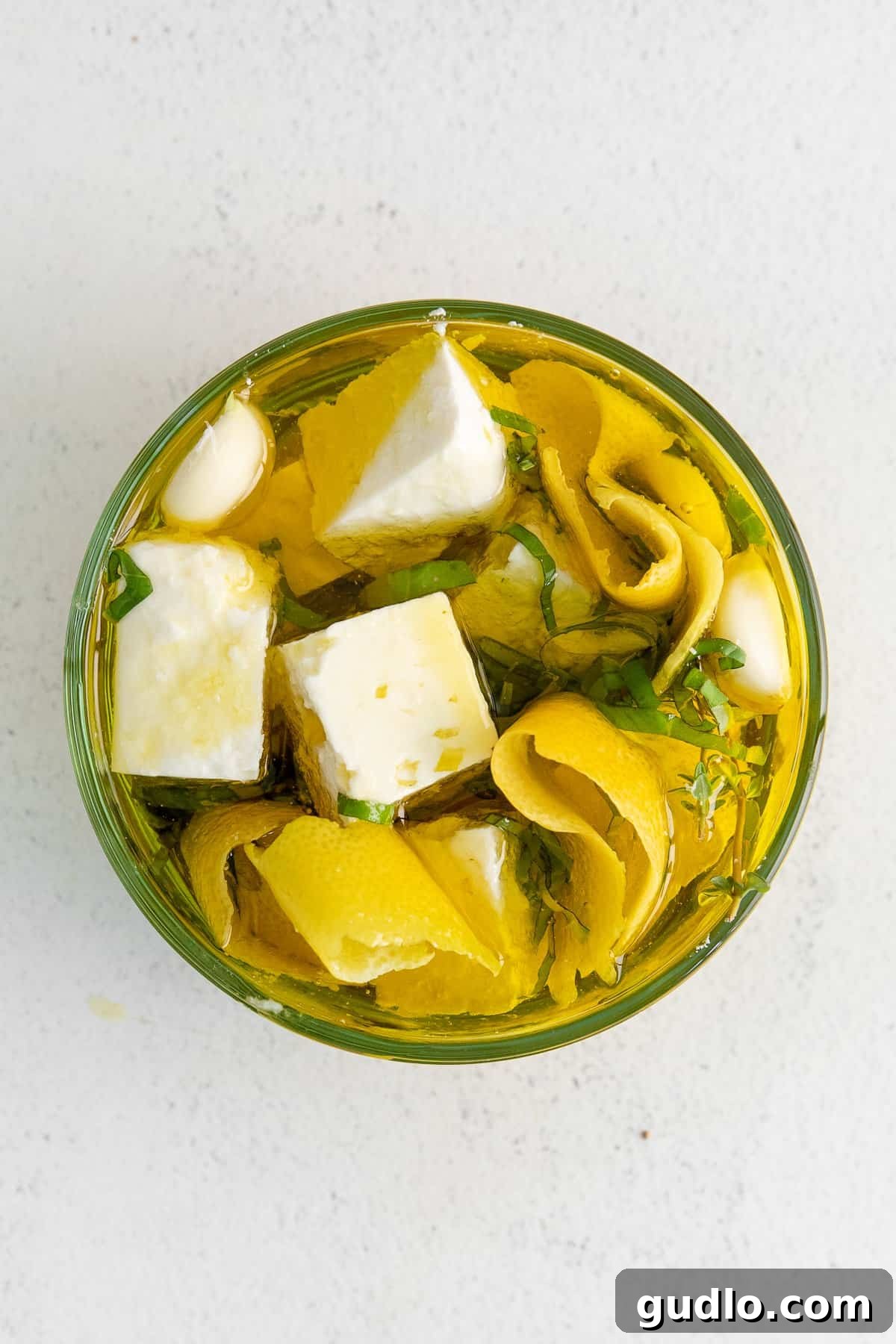
Buying and Storing Feta Cheese for Optimal Freshness
To fully enjoy feta’s unique qualities, it’s essential to know how to select and store it properly. When purchasing feta, look for options that are packed in brine. Feta stored in brine maintains its moisture, texture, and flavor much better than vacuum-sealed or dry-packed varieties. Authentic Greek feta will also typically specify “PDO” on the label. Check for a firm texture and a fresh, milky aroma.
Proper storage is key to extending the shelf life of your feta:
- Unopened Feta: A sealed container of feta in brine can last for a couple of months in the refrigerator. Always check the “best by” date on the packaging.
- Opened Feta: Once opened, it’s crucial to keep feta submerged in its original brine. If the brine runs out, you can make a simple saltwater solution (1 teaspoon of salt per cup of water) to keep it covered. Stored this way, opened feta will typically last for about two weeks in the refrigerator. If it’s not stored in brine, it will dry out and develop an off-flavor much faster.
- Signs of Spoilage: Feta that has gone bad will often show signs of mold (beyond surface white mold which might be normal for some cheeses), develop a slimy texture, or emit a strong, unpleasant sour or ammoniated smell.
- Freezing Feta: While technically possible, freezing feta is generally not recommended as it can alter its texture, making it more crumbly and mealy upon thawing. If you must freeze it, freeze it in a solid block, submerged in brine, in an airtight container for 1-3 months. It’s best used for cooked dishes rather than fresh consumption after freezing.
Frequently Asked Questions About Feta Cheese
Yes, feta cheese is considered a nutritious choice! It’s relatively lower in fat and calories compared to many other cheeses, while being high in protein, calcium, and B vitamins. Its probiotic content also contributes to gut health, making it a healthy component of a balanced diet when consumed in moderation.
The USDA and other health organizations recommend that pregnant women only consume cheeses made from pasteurized milk to prevent the risk of Listeriosis. Most commercial feta cheese sold in stores is made from pasteurized milk, but it’s crucial to check the label. If it’s made from pasteurized milk, it is generally safe to eat.
Feta cheese is not solely goat cheese, although it can contain goat’s milk. Authentic Greek feta is primarily made from sheep’s milk, with a maximum of 30% goat’s milk. Pure goat cheese (chèvre) has a distinctly different taste and often a creamier texture, with a more pronounced “goaty” flavor.
While technically possible, freezing feta is not ideal as it can significantly change its texture, making it more crumbly and less creamy or firm after thawing. If you must freeze it, do so in a solid block, submerged in its brine (or a saltwater solution), in an airtight container. It’s best used in cooked dishes after freezing rather than fresh applications.
Yes, feta cheese does melt, but not in the same gooey way as mozzarella or cheddar. When heated, especially in an oven, it softens and becomes wonderfully creamy and spreadable, rather than forming long, stretchy strings. You can melt it in the oven at around 400°F (200°C) for 25-30 minutes, often mixed with olive oil and herbs.
Yes, feta cheese is a dairy product as it’s made from animal milk (sheep and/or goat). However, because it’s typically made from sheep’s and goat’s milk, which have slightly different lactose compositions than cow’s milk, some individuals with mild lactose intolerance find it easier to digest compared to cow’s milk cheeses. It is considered a relatively low-lactose cheese.
It is generally not recommended for dogs to eat feta cheese. While small amounts might not be immediately harmful, feta is very high in sodium and saturated fat, which are not healthy for dogs and can lead to digestive upset, pancreatitis, or other health issues, especially for dogs prone to sensitivities.
An unopened package of feta cheese submerged in brine can last in the refrigerator for up to 2 months, often longer if well-sealed. Once opened, if kept submerged in its brine (or a homemade saltwater solution), it will last for approximately 2 weeks in the refrigerator. Always check for mold, off-smells, or a slimy texture as signs of spoilage.
Authentic Greek Feta holds a Protected Designation of Origin (PDO) status, meaning it must be made in Greece from sheep’s milk (or a blend with up to 30% goat’s milk) and aged in brine for specific periods. It’s known for its crumbly texture and sharp, salty, tangy flavor. Danish Feta, on the other hand, is a Feta-style cheese often made from cow’s milk. It typically has a creamier, softer texture and a milder flavor, as it doesn’t adhere to the strict PDO guidelines, making it a different product entirely.
From its humble beginnings in ancient Greece to its prominent place on modern dining tables, feta cheese continues to captivate with its distinct flavor and incredible adaptability. We hope this comprehensive guide has enriched your understanding of this Mediterranean delight and inspired you to explore new ways to incorporate its salty, tangy magic into your culinary adventures. Whether crumbled over a fresh salad, baked into a comforting pasta, or simply enjoyed with a drizzle of olive oil, feta cheese promises a taste experience that is both authentic and unforgettable. Embrace the zest and tradition of feta, and let it transform your meals into vibrant, flavorful feasts!