
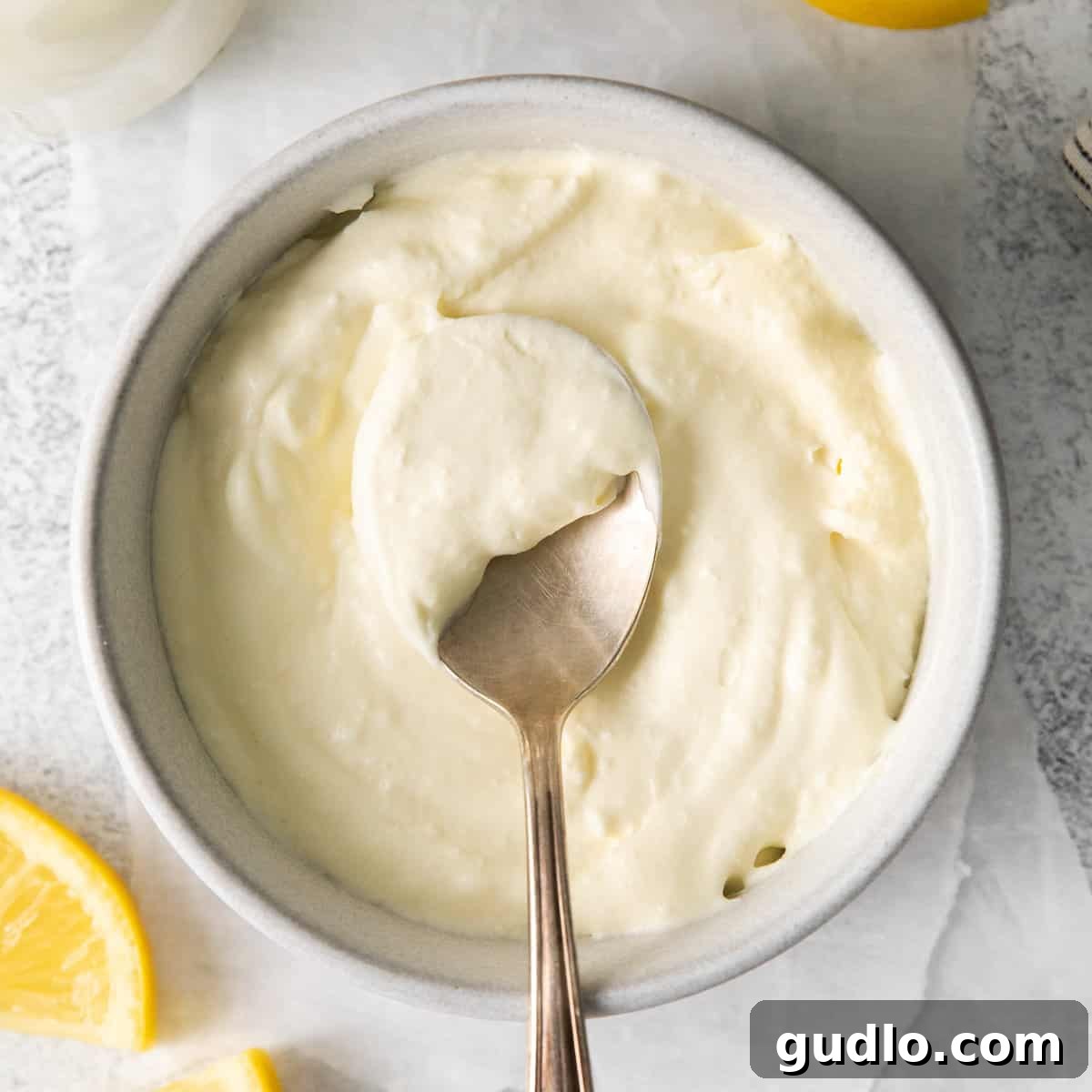
Unlock the secrets to crafting exquisite homemade mascarpone cheese with our comprehensive, step-by-step guide. Forget store-bought options; discover how incredibly simple it is to create rich, creamy mascarpone right in your own kitchen. Elevate your desserts, enhance your savory dishes, and impress your taste buds with this versatile Italian delight!
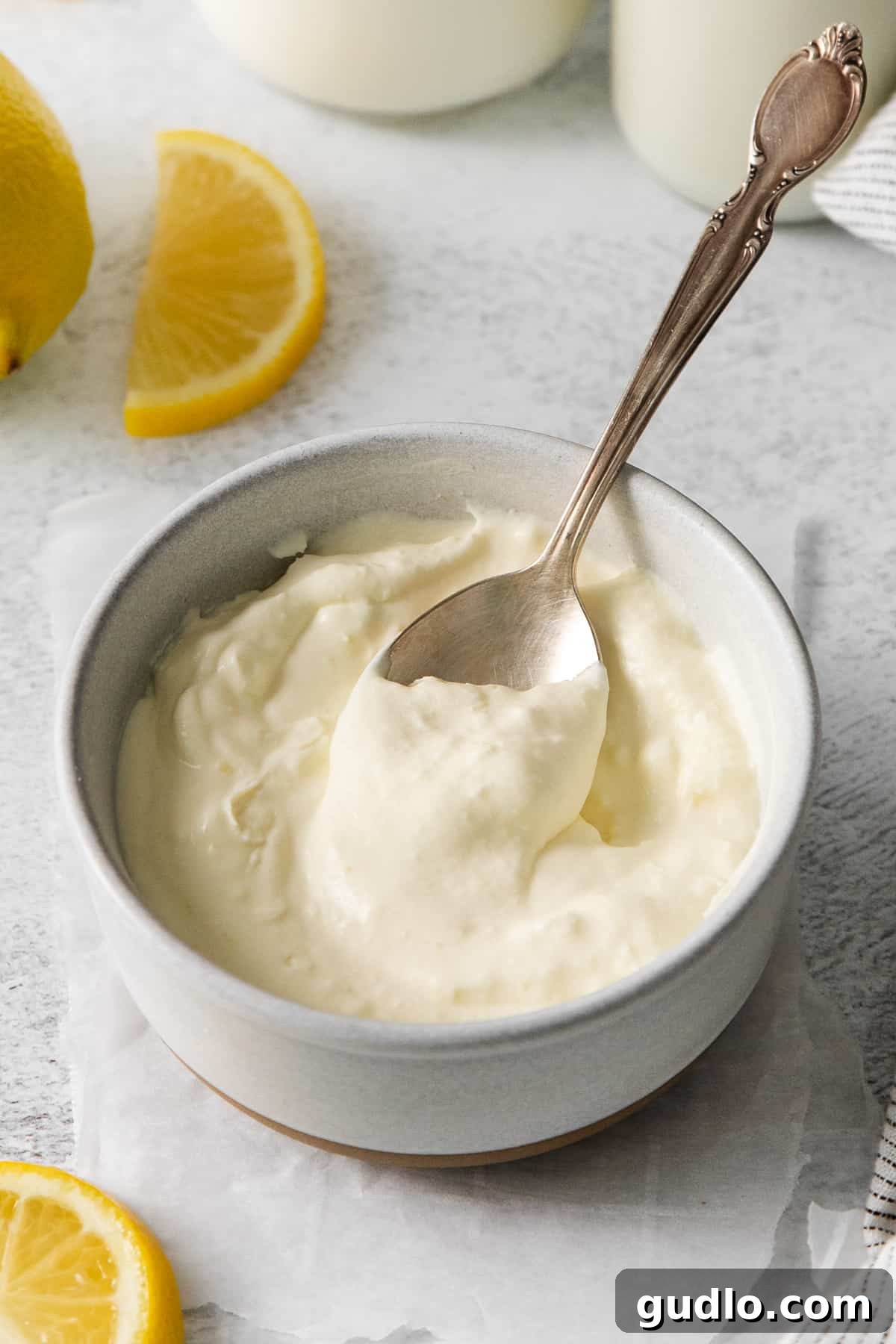
Master the Art of Homemade Mascarpone Cheese: A Simple Step-by-Step Guide
Have you ever dreamed of making your own gourmet ingredients from scratch? Mascarpone cheese, the velvety smooth Italian cream cheese, might seem intimidating, but it’s surprisingly accessible for home cooks. With just two simple ingredients and a little patience, you can create a superior product that outshines anything from a package. This guide will walk you through everything you need to know, from understanding what mascarpone is to mastering the technique and exploring its endless culinary applications.
What is Mascarpone Cheese?
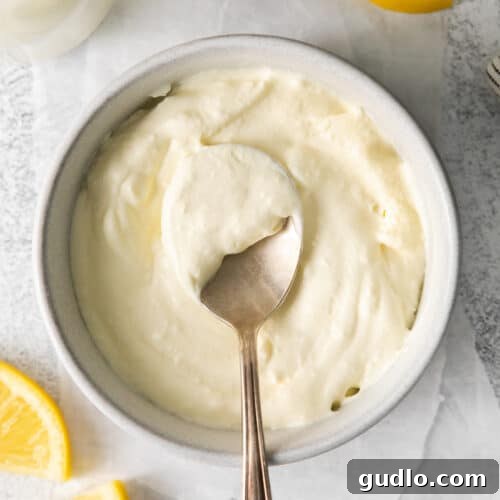
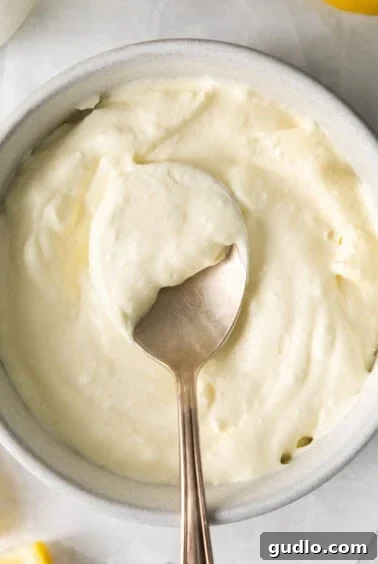
Mascarpone is a luxurious, ivory-colored Italian cheese originating from the Lombardy region. Unlike most cheeses that rely on rennet, mascarpone is traditionally made by coagulating heavy cream with an acid, most commonly citric acid (lemon juice or tartaric acid). This unique process results in a cheese with an incredibly high fat content, typically ranging from 60 to 75 percent, which gives it its characteristic silken texture and rich, buttery mouthfeel. Its consistency falls somewhere between a thick cream and a soft butter, making it effortlessly spreadable and melt-in-your-mouth decadent.
Flavor-wise, mascarpone is often compared to cream cheese, crème fraîche, or clotted cream, but it stands apart with its delicate sweetness and a subtle, fresh tanginess. It lacks the pronounced acidity of traditional cream cheese and offers a more nuanced, sweet cream profile. This unique balance of richness, sweetness, and slight acidity makes it a star ingredient in both sweet and savory dishes, providing a creamy depth that elevates any recipe.
Why Make Mascarpone at Home?
While mascarpone is readily available in many grocery stores, there are compelling reasons to try making it yourself:
- Unmatched Freshness and Flavor: Homemade mascarpone boasts a vibrancy and depth of flavor that commercially produced versions often lack. You’ll taste the pure essence of cream, unmasked by preservatives or stabilizers.
- Superior Texture: Control the draining process to achieve your preferred consistency – from a softly spreadable cream to a firmer cheese perfect for slicing.
- Cost-Effective: High-quality mascarpone can be quite expensive. Making it at home often proves to be significantly more economical, especially if you use it frequently.
- Simple Ingredients: With just heavy cream and lemon juice, you know exactly what goes into your cheese, making it a pure and natural choice.
- Empowering Experience: There’s immense satisfaction in creating such a gourmet ingredient from scratch. It’s a culinary accomplishment that enhances your cooking repertoire.
- Always on Hand: No last-minute dash to the store! If you have heavy cream, you’re only a few hours away from fresh mascarpone.
What is Mascarpone Cheese Used In?
Mascarpone cheese is a remarkably versatile ingredient, lending its delicious creaminess and luxurious texture to a wide array of culinary creations. Its balanced flavor profile makes it suitable for both sweet and savory applications:
Why You’ll Love This Recipe!
- Effortlessly easy to prepare
- Yields a perfectly sweet and tangy flavor
- Incredibly versatile for both sweet and savory dishes
- Requires minimal ingredients, often staples in your pantry
- A truly satisfying culinary project with delicious results
Sweet Applications:
- Tiramisu: The undisputed champion. Mascarpone is the essential ingredient that gives tiramisu its iconic creamy layers.
- Cheesecakes: Use it to create cheesecakes that are exceptionally rich, dense, and smooth, with a delicate tang.
- Frostings and Fillings: Whip it into light, airy frostings for cakes, cupcakes, and pastries. It also makes a fantastic filling for cannolis, crepes, or fruit tarts.
- Fruit Desserts: A dollop of mascarpone perfectly complements fresh berries, roasted fruits, or fruit crumbles. Its creaminess balances the fruit’s acidity.
- Ice Cream and Puddings: Incorporate it into homemade ice cream bases for a richer, smoother texture, or stir it into puddings and custards.
- Sweet Spreads: Mix with a touch of honey or maple syrup for a delightful spread on toast, scones, or croissants.
Savory Applications:
- Pasta Sauces: Stir mascarpone into tomato or cream-based pasta sauces for a luxurious, silky finish. It adds richness without being overly heavy.
- Risottos: Swirl in a spoonful at the end of cooking risotto for an extra creamy texture and a subtle, cheesy depth.
- Sandwiches and Wraps: Use it as a rich spread instead of mayonnaise or other cheeses, especially with smoked salmon, prosciutto, or roasted vegetables.
- Savory Tarts and Quiches: Mascarpone can be incorporated into quiche fillings or used as a creamy base for savory tarts.
- Soups: A swirl of mascarpone can enrich creamy soups, adding body and flavor.
- Canapés and Dips: Blend with herbs, garlic, or sun-dried tomatoes for an elegant dip or spread for crackers and crudités.
Essential Equipment for Homemade Mascarpone
Gathering the right tools before you begin ensures a smooth and successful cheesemaking process. You likely already have most of these items in your kitchen:
- Cheesecloth: This specialized porous fabric is crucial for separating the solid mascarpone curds from the liquid whey. Opt for a fine-weave, unbleached cheesecloth for best results.
- Colander or Mesh Strainer: A sturdy colander or a fine-mesh strainer will hold the cheesecloth-lined mascarpone while it drains. Ensure it has stable feet or a rim that can rest securely over a larger bowl.
- Large Bowl: This bowl will sit beneath your colander, collecting the whey as it drains from the mascarpone. It needs to be significantly larger than your colander to prevent the straining cheese from touching the collected liquid.
- Heavy-Bottomed Saucepan: A pot with a thick, heavy bottom is ideal for heating the cream evenly and preventing scorching. Choose one large enough to comfortably hold the cream without overflowing during simmering.
- Thermometer (Optional but Recommended): While not strictly necessary, a kitchen thermometer (instant-read or candy thermometer) provides precision by allowing you to accurately monitor the temperature of your heavy cream. This helps ensure optimal curd formation and consistency.
- Whisk or Spoon: For stirring the cream and incorporating the lemon juice.
Simple Ingredients for Homemade Mascarpone Cheese
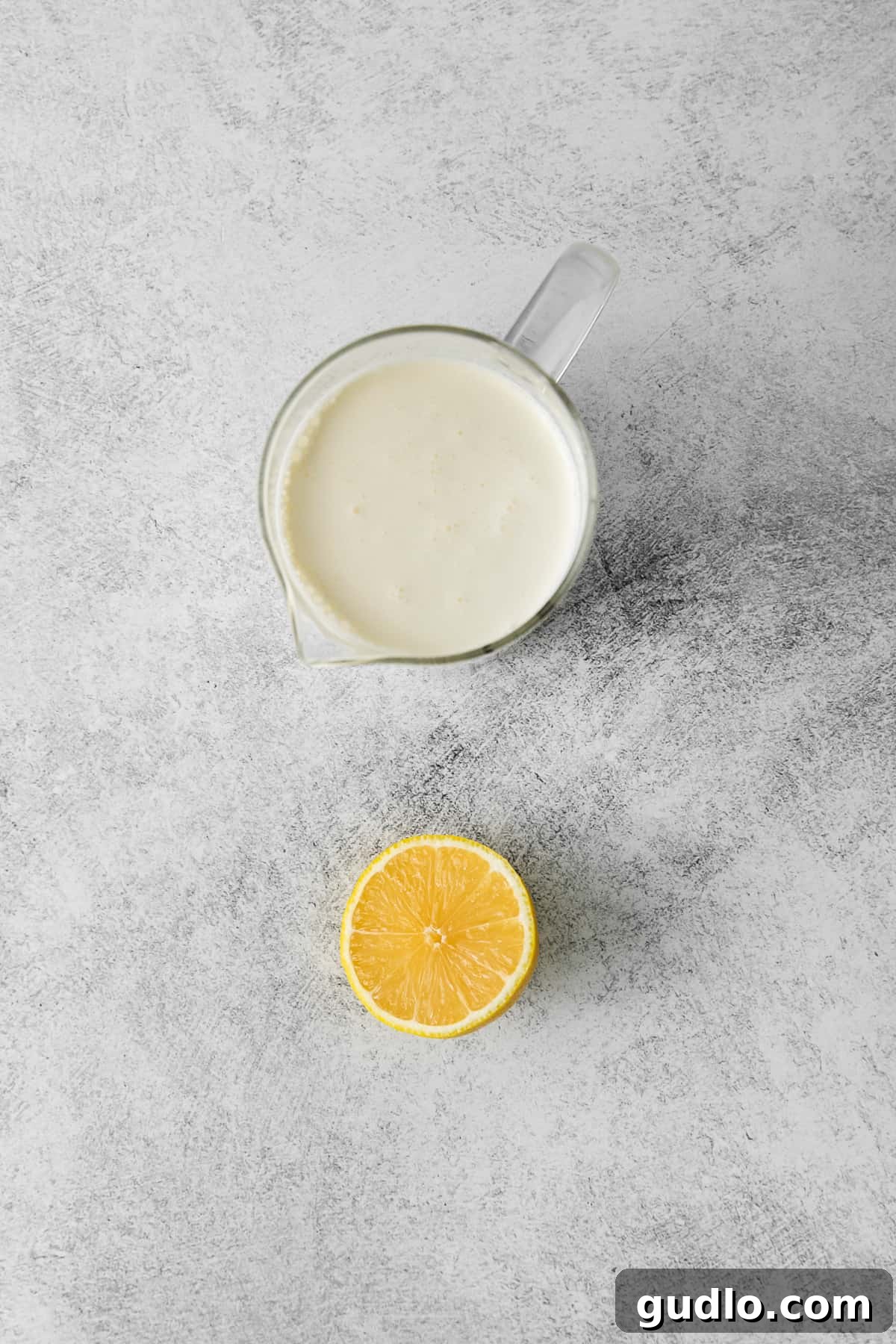
The beauty of homemade mascarpone lies in its simplicity. You only need two essential ingredients:
- Heavy Whipping Cream: This is the foundation of your mascarpone. Look for heavy cream with a fat content of 36% or higher. Do not use half-and-half, light cream, or whipping cream with lower fat content, as they will not yield the desired richness or thicken properly. The higher the fat, the creamier your mascarpone will be.
- Lemon Juice: Freshly squeezed lemon juice is preferred for its bright, clean acidity. It acts as the coagulant, gently thickening the cream into cheese. While bottled lemon juice can work, fresh often offers a superior flavor profile.

Try It!
Mascarpone Cheesecake
Put your freshly made mascarpone to perfect use in our decadently creamy mascarpone cheesecake recipe. It’s an absolute must-try for any dessert lover!
How to Make Mascarpone Cheese: Step-by-Step Instructions
Making mascarpone cheese is a straightforward process that primarily involves heating cream, adding an acid, and allowing it to drain. Follow these steps for perfect results:
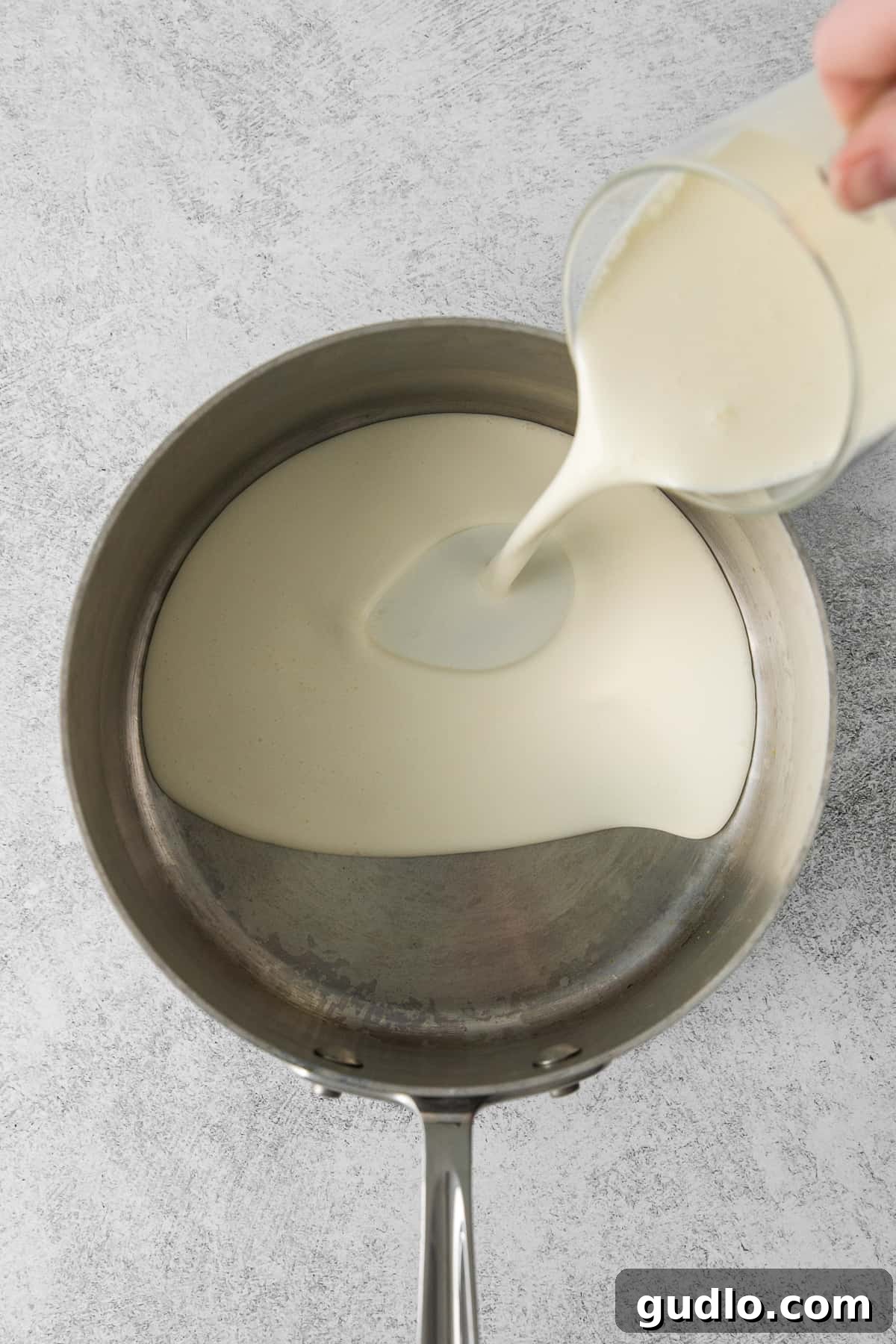
Step 1: Gently Simmer Heavy Cream
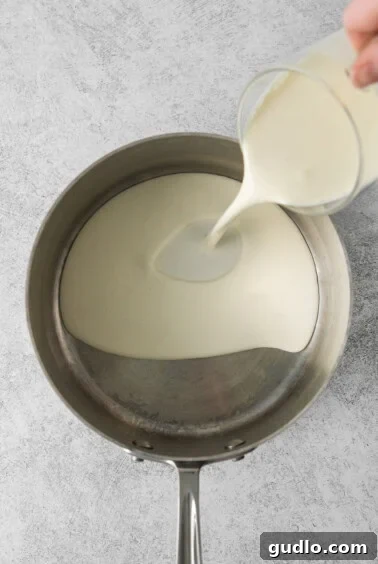
Pour 2 cups of heavy whipping cream into your heavy-bottomed saucepan. Place the saucepan over medium-low heat. The goal is to bring the cream to a gentle simmer, not a rolling boil. If you’re using a thermometer, aim for a temperature between 180°F to 190°F (82°C to 88°C). This process typically takes about 3 to 5 minutes. Stir the cream occasionally to prevent it from scorching at the bottom of the pan and to ensure even heating. Look for small bubbles forming around the edges of the pan, indicating a simmer.
Step 2: Incorporate Lemon Juice and Thicken
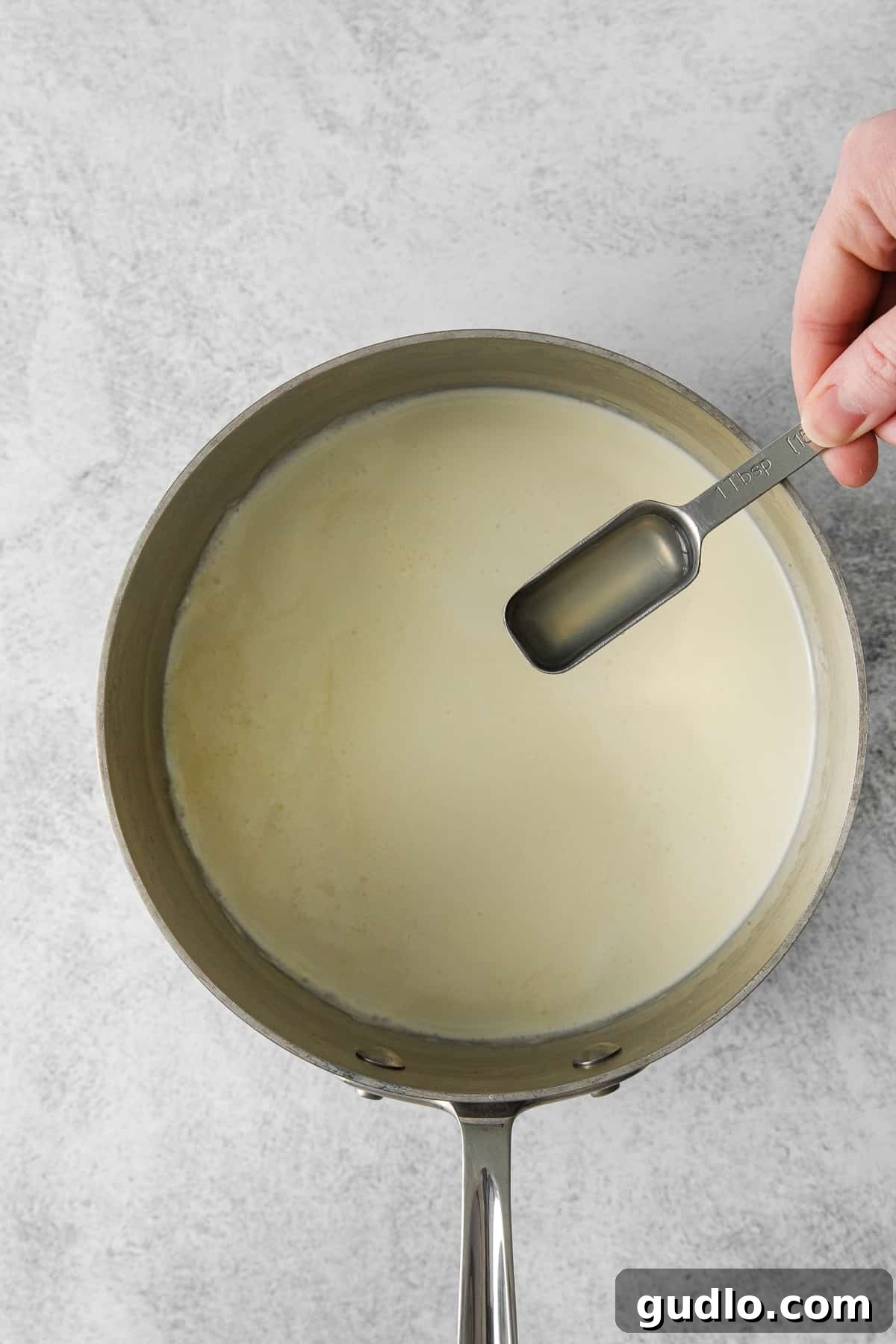
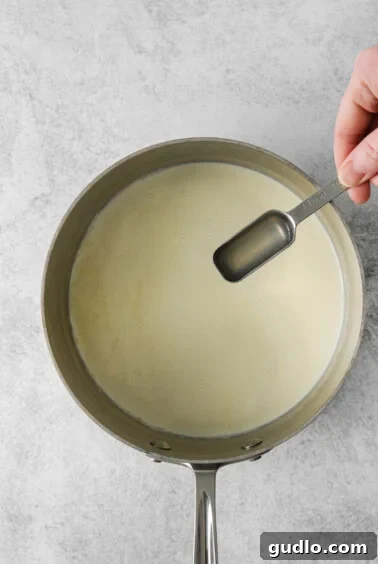
Once the cream reaches a simmer, remove the saucepan from the heat for a moment. Add 1 tablespoon of fresh lemon juice to the hot cream. Stir gently but thoroughly for about 1 minute. You should observe the cream beginning to thicken almost immediately as the acid starts to coagulate the milk proteins. Return the saucepan to medium-low heat and continue to simmer for an additional 10 minutes, stirring occasionally. The cream will continue to thicken, developing a noticeably richer, custard-like consistency. It won’t look like cheese yet, but it will be much thicker than liquid cream. Remove the pan from the heat and let the mixture cool in the saucepan for 30 minutes at room temperature. This cooling period helps the coagulation process to continue and prevents the cheesecloth from scalding.
Step 3: Strain and Chill to Perfection
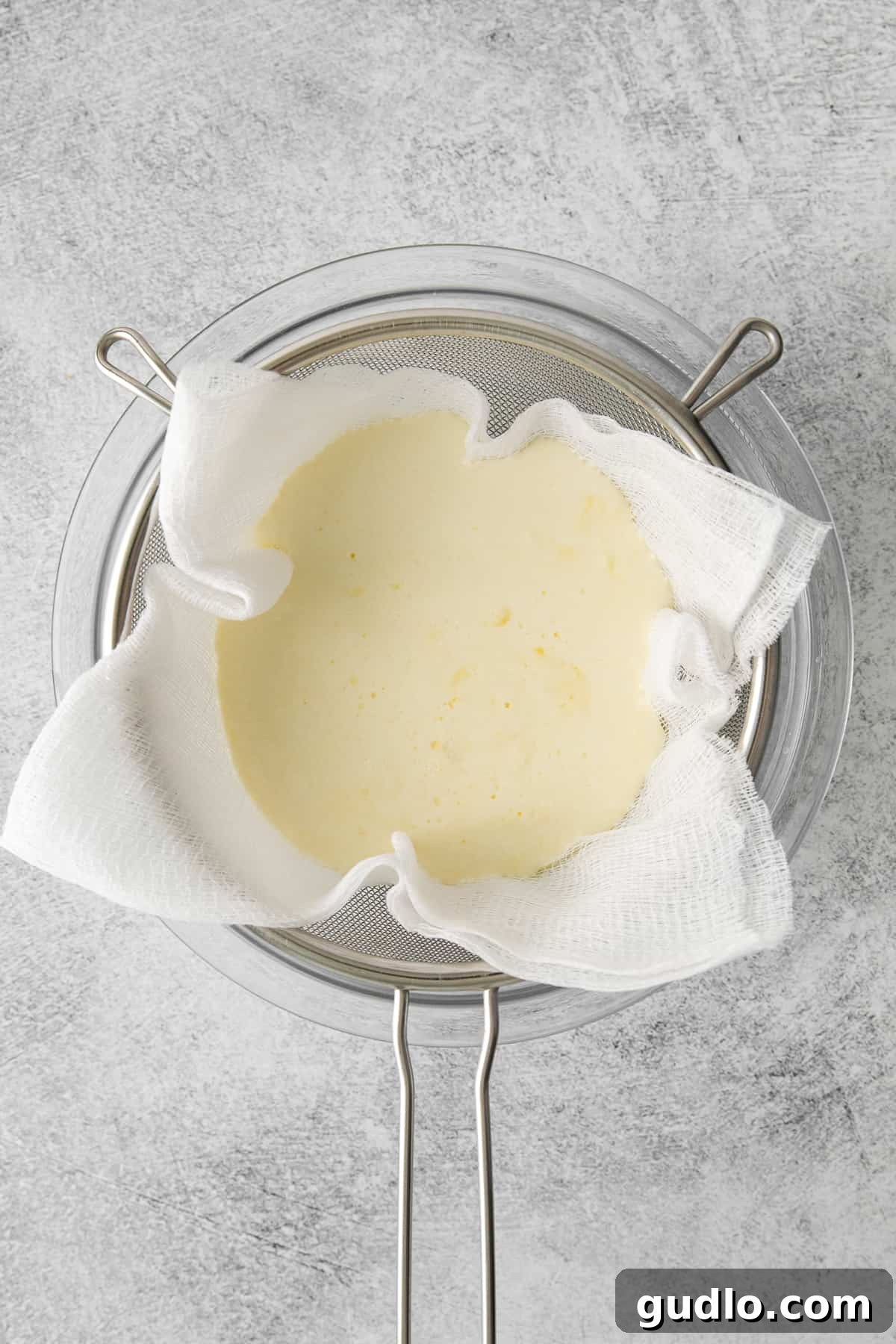
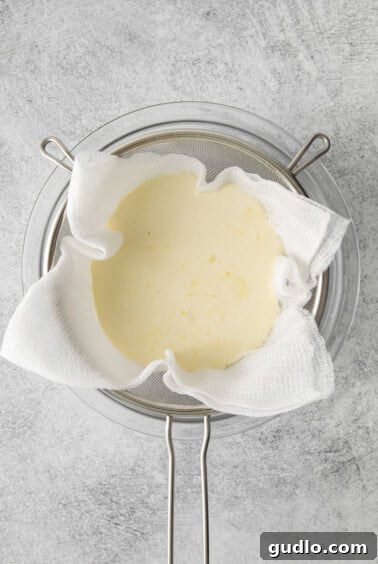
While the mascarpone mixture cools, prepare your straining setup. Line a fine-mesh colander or strainer with two layers of clean cheesecloth, ensuring there’s enough overhang to gather later. Place this lined colander into a larger bowl, making sure there’s ample space between the bottom of the colander and the bottom of the bowl for the whey to collect. Carefully transfer the cooled, thickened mascarpone mixture into the prepared cheesecloth-lined strainer. Gently gather the edges of the cheesecloth over the mascarpone, but do not squeeze, as this can force fats through and result in a drier cheese. Place the entire setup (colander with mascarpone inside the larger bowl) into the refrigerator to chill and drain for at least 4 hours. For the best, firmest consistency, leaving it to drain overnight (8-12 hours) is highly recommended. The longer it drains, the thicker and richer your mascarpone will be.
Step 4: Store and Enjoy!
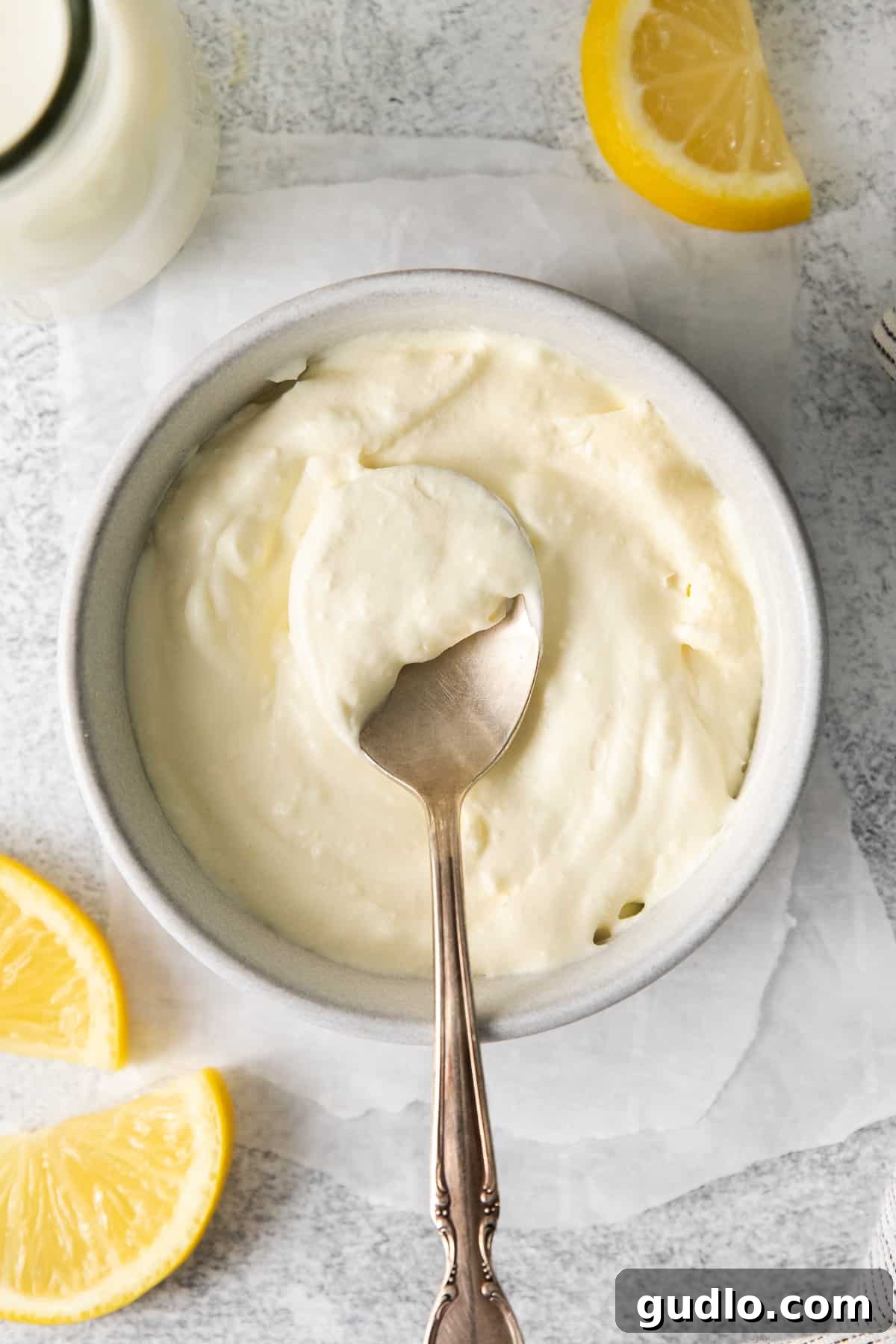
Once your mascarpone has reached the desired consistency after chilling and draining, it’s ready! Carefully unwrap the cheesecloth, scrape the creamy mascarpone into an airtight container, and store it in the refrigerator. Your homemade mascarpone is now ready to be used in all your favorite sweet and savory recipes!
Try It!
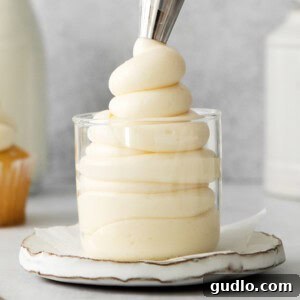
Mascarpone Frosting
Elevate your baked goods with our simple 4-ingredient mascarpone frosting! It’s wonderfully rich and creamy – perfect for cakes, cupcakes, cookies, and even cinnamon rolls.
Top Tips for Perfect Homemade Mascarpone
Homemade mascarpone is remarkably forgiving and generally more foolproof than many other cheesemaking endeavors. Through extensive testing, we’ve found that various approaches still yield excellent results:
- Don’t Be Afraid to Experiment (Within Reason): We’ve tested this recipe with and without a thermometer, adding lemon juice at slightly different temperatures, and even allowing the cream to reach a slightly more aggressive simmer (though never a rolling boil). All methods produced delicious mascarpone, indicating the recipe’s robustness.
- Fresh vs. Bottled Lemon Juice: While fresh lemon juice often provides the best flavor, bottled lemon juice works perfectly fine for the coagulation process. Don’t let a lack of fresh lemons stop you!
- Avoid a Vigorous Boil: While simmering, ensure the cream doesn’t come to a rapid, rolling boil. A gentle simmer is key to a smooth, non-grainy texture. High heat can cause the cream to break or burn.
- Patience is Key for Draining: The longer you allow the mascarpone to drain in the refrigerator, the thicker and firmer it will become. For very thick, spreadable cheese, opt for an overnight drain. If you prefer it slightly softer, 4-6 hours may suffice.
- Alternative Straining Materials: No cheesecloth on hand? No problem! A clean, lint-free paper towel or a thin, clean tea towel (like a flour sack towel) can serve as effective substitutes for straining.
- Cleanliness is Crucial: As with any dairy product, ensuring all your equipment is thoroughly clean and sanitized will help prevent spoilage and ensure the best quality mascarpone.
Frequently Asked Questions About Homemade Mascarpone
While mascarpone is often categorized as a type of cream cheese, there’s a key difference: traditional cream cheese is made from whole milk, whereas mascarpone is exclusively made from high-fat heavy cream. This difference in base ingredient gives mascarpone its much higher fat content, richer flavor, and silkier texture compared to standard cream cheese.
Mascarpone has a distinctively rich, sweet, and buttery taste. It’s often likened to a luxurious blend of cream cheese and crème fraîche, but with a more pronounced sweetness and less tanginess than typical cream cheese. It has a fresh, milky flavor without being overly heavy.
Mascarpone is incredibly versatile! It’s famously known as the star of Tiramisu, but its delicious creaminess enhances both sweet and savory dishes. Use it in cheesecakes, fruit tarts, frostings, pasta sauces, risottos, or simply as a creamy spread. Its high fat content and delicate flavor make it perfect for adding richness without overpowering other ingredients.
Yes, lime juice can be used as a substitute for lemon juice. It will provide the necessary acidity to curdle the cream. However, note that lime juice has a slightly different flavor profile than lemon, which may impart a subtle lime note to your mascarpone. Freshness is still key for the best results.
There are a few common reasons: The cream may not have reached a high enough temperature (aim for 180-190°F / 82-88°C), or it may not have simmered for long enough after adding the lemon juice. Ensure you’re using heavy cream with at least 36% fat content, as lower fat creams will not curdle properly. Lastly, inadequate draining time in the refrigerator can also result in a softer consistency.
Delicious Ways to Use Your Homemade Mascarpone
Once you’ve made your fresh batch of mascarpone, a world of culinary possibilities opens up. Here are some fantastic recipes and ideas to inspire you:
- Mascarpone Toast: A simple yet elegant breakfast or snack.
- Mascarpone Cheesecake: Experience the ultimate in creamy, rich cheesecake.
- Chocolate Covered Cherries with Mascarpone: A sophisticated treat with a creamy surprise.
- Classic Tiramisu: The quintessential Italian dessert, perfected with homemade mascarpone.
- Fresh Berries with Mascarpone: Lightly sweeten mascarpone with a touch of honey or vanilla extract, then serve alongside a medley of fresh berries for a quick, elegant dessert.
- Creamy Tomato Pasta: Stir a generous spoonful of mascarpone into your favorite tomato sauce just before serving to add luxurious creaminess.
- Savory Crostini: Spread mascarpone on toasted baguette slices and top with smoked salmon, prosciutto, or roasted vegetables.
- Mashed Potatoes: Replace some butter or milk in your mashed potato recipe with mascarpone for an extra rich and velvety side dish.
Proper Storage for Homemade Mascarpone
To enjoy the fresh flavor and ideal texture of your homemade mascarpone, proper storage is essential. Once drained, transfer the mascarpone into a clean, airtight container. Store it in the coldest part of your refrigerator. Fresh mascarpone is a delicate dairy product and is best consumed within 5 to 7 days. Unlike aged cheeses, it is not intended for long-term aging and will begin to turn sour after about a week. Always use a clean spoon when scooping out mascarpone to prevent introducing bacteria, which can hasten spoilage. Discard if you notice any off-smell, discoloration, or mold.
Can You Freeze Mascarpone Cheese?
Yes, mascarpone cheese can be frozen, but with some caveats regarding texture. Freezing and thawing can sometimes alter the delicate, smooth consistency of mascarpone, making it slightly grainier or separating the fat. However, for use in cooked dishes where the texture will be altered anyway (like baked goods or hot sauces), it can be a convenient option.
How to Freeze: To freeze mascarpone, transfer it into an airtight, freezer-safe container or a heavy-duty freezer bag, removing as much air as possible to prevent freezer burn. Seal tightly. It can be stored in the freezer for up to 1 month for best quality.
To Thaw: Always thaw frozen mascarpone slowly in the refrigerator overnight. Once thawed, stir it gently to try and restore some of its original consistency. If it appears separated, a brief whip with a whisk might help bring it back together, especially if you plan to use it in a baked or cooked recipe.
More of Our Favorite…
Homemade Cheese Recipes
If you enjoyed making mascarpone, you might love exploring other homemade cheese recipes:
- How to Make Homemade Queso Fresco
- How to Make Paneer
- How to Make Ricotta Cheese
- Best Mac and Cheese Sauce
Homemade Mascarpone Cheese Recipe
Print Recipe
Ingredients
-
2
cups
heavy whipping cream (36% fat or higher) -
1
tablespoon
fresh lemon juice
Instructions
-
1. Simmer Heavy Cream: Pour the heavy cream into a heavy-bottomed saucepan. Heat over medium-low heat, stirring occasionally, until it reaches a gentle simmer. This typically takes about 3-5 minutes, and the temperature should be between 180°F to 190°F (82°C to 88°C). Avoid a rolling boil.

-
2. Add Lemon Juice and Thicken: Remove the saucepan from the heat. Stir in the lemon juice for about a minute. You will notice the cream immediately begin to thicken. Return the saucepan to medium-low heat and continue to simmer for an additional 10 minutes, stirring occasionally. The mixture should become noticeably thicker, resembling a custard. Remove from heat and allow to cool in the pan for 30 minutes at room temperature.
-
3. Strain and Chill: Line a fine-mesh strainer or colander with two layers of cheesecloth. Place the strainer over a large bowl to catch the whey. Transfer the cooled, thickened cream mixture into the prepared strainer. Place the entire setup (strainer in bowl) into the refrigerator to chill and drain for at least 4 hours. For the best, firmest mascarpone, drain overnight (8-12 hours).
-
4. Store: Once drained to your desired consistency, transfer the homemade mascarpone from the cheesecloth to an airtight container. Store in the refrigerator and use within 5-7 days.
Tips & Notes
- This recipe is quite forgiving! We’ve successfully made it with slight variations in technique, including using a thermometer vs. visual cues, adding lemon juice at slightly different temperatures, and allowing the cream to reach a gentle simmer (not a hard boil).
- If you don’t have cheesecloth, a clean, lint-free paper towel or a thin tea towel can be used as an alternative for straining.
- The longer the mascarpone drains, the thicker it will become. Adjust draining time to achieve your preferred consistency.
- This recipe yields approximately 12 ounces (about 1.5 cups) of fresh mascarpone cheese.
Watch The Process
Watch a video tutorial for visual guidance on how to make perfect homemade mascarpone cheese:
Watch How to Make Mascarpone Cheese on YouTube
Nutrition (Approximate per 1 serving of 12 servings)
Calories: 135 kcal,
Carbohydrates: 1 g,
Protein: 1 g,
Fat: 14 g,
Fiber: 0.004 g,
Sugar: 1 g
Nutrition information is automatically calculated and should be used as an approximation only.
Loved this recipe? Share your thoughts below!
Don’t forget to tag your culinary creations on social media with the hashtag #cheeseknees. We can’t wait to see what you’re whipping up!