
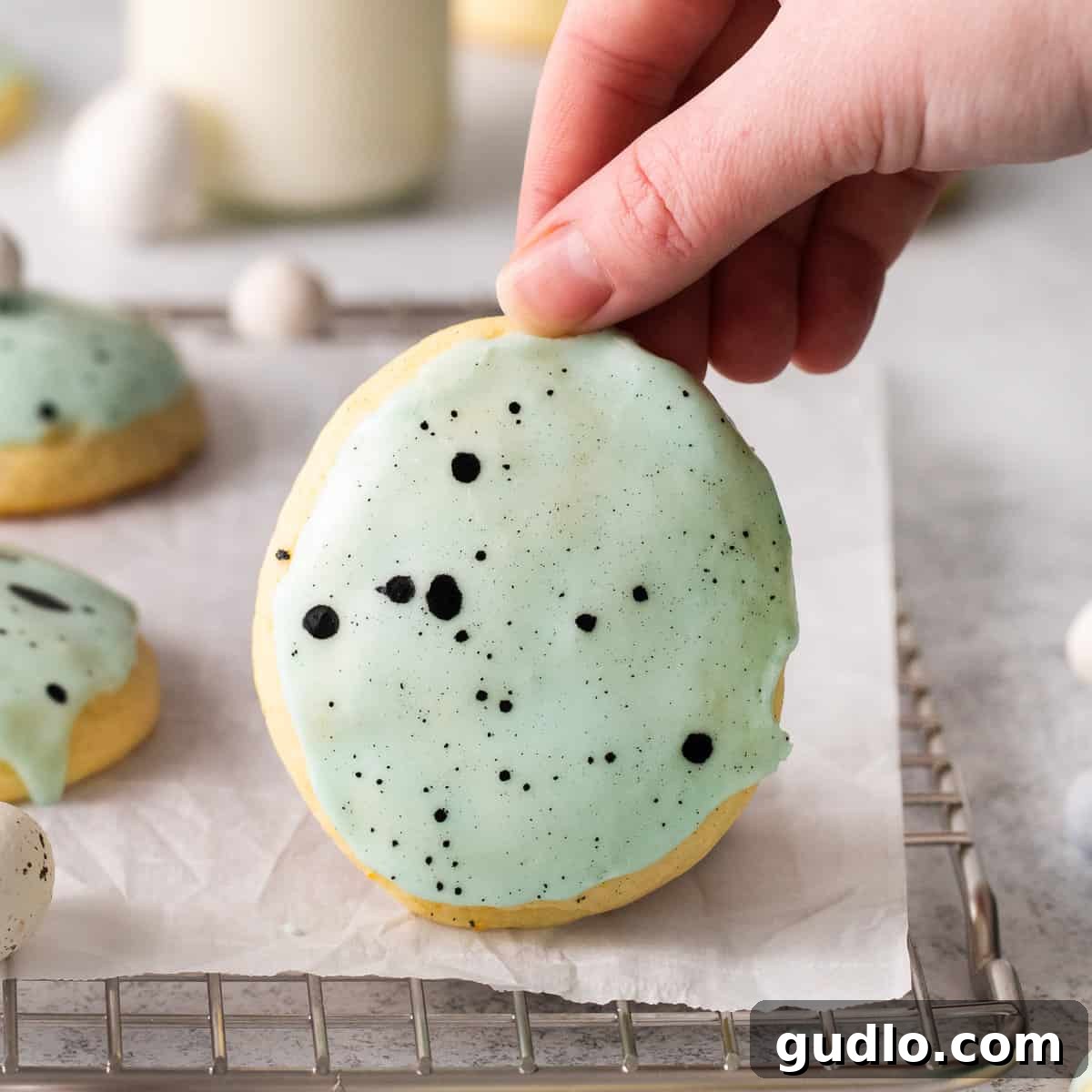
Delightful Lemon Ricotta Easter Egg Cookies: Your Essential Spring Baking Guide
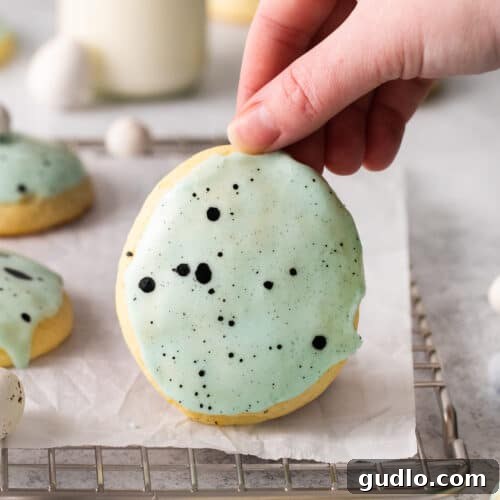
Embrace the vibrant flavors of spring with these exquisite Lemon Ricotta Easter Egg Cookies. This recipe offers the quintessential sweet treat to celebrate the season, boasting a bright, zesty lemon flavor and an incredibly creamy, airy texture that is uniquely characteristic of a true lemon ricotta cookie. These delightful confections are not just delicious; their charming egg shape and pastel glaze make them a festive centerpiece for any Easter gathering or spring celebration.

The Italian Heritage of Lemon Ricotta Cookies
Step into a world of unparalleled flavor and texture with these traditional Italian Lemon Ricotta Cookies. Many might argue that you haven’t truly savored a cookie until you’ve experienced the magic of ricotta cheese in your dough. Ricotta cheese is the secret ingredient that transforms these cookies, endowing them with an unmatched richness, moisture, and fluffiness that sets them apart from conventional sugar cookies.
These cookies are a staple in Italian baking, often associated with holidays and special family gatherings. The incorporation of ricotta not only ensures a tender crumb but also adds a subtle tang that beautifully complements the sweetness of the sugar and the bright acidity of lemon. And here’s a little secret for an even more exquisite experience: they taste absolutely divine right out of the freezer, offering a refreshing and satisfying bite!
To elevate these already incredible treats, we add a luscious lemon glaze and charming Easter decorations. This combination results in something truly extraordinary, making your Easter holiday feel even more special. The invigorating lemon flavor strikes a perfect balance against the cookies’ sweetness, while the creamy ricotta provides a tender, melt-in-your-mouth texture. This unique blend of ingredients and flavors is what truly distinguishes our Lemon Ricotta Easter Egg Cookies from your average cookie recipe. Prepare for them to be an instant hit – so good, in fact, that your family will likely want to take home handfuls of any delicious leftovers (if there are any left to begin with!).
Why These Lemon Ricotta Cookies Will Captivate You
Fantastically Festive: These cookies are more than just a dessert; they are a celebration in themselves. Shaped like Easter eggs and adorned with cheerful glazes and sprinkles, they instantly bring a festive spirit to your spring table. Their bright appearance and refreshing flavor make them the perfect symbol of new beginnings and joyful gatherings.
A Treat for All Ages: From the youngest family members to the most discerning adults, everyone adores these cookies. The process of decorating them offers a fun and engaging activity for children, creating lasting memories and personalized treats. Their universally appealing taste ensures they disappear quickly at any event.
Unbeatable Texture and Flavor: The combination of creamy ricotta and zesty lemon creates a cookie experience unlike any other. They are incredibly soft, moist, and possess a delicate crumb that practically melts in your mouth. The vibrant lemon cuts through the sweetness, leaving a refreshing aftertaste that keeps you coming back for more. This perfect harmony of rich texture and bright flavor is what makes them truly irresistible.
Conveniently Freezer-Friendly: Planning ahead for a holiday or simply wanting to enjoy these treats whenever a craving strikes? This recipe is wonderfully freezer-friendly! You can bake a large batch and store them, ensuring you always have a delightful homemade dessert ready to go. Simply thaw for a few minutes, and they’ll be as soft and delicious as the day they were baked.
Crafting Perfection with Simple Ingredients
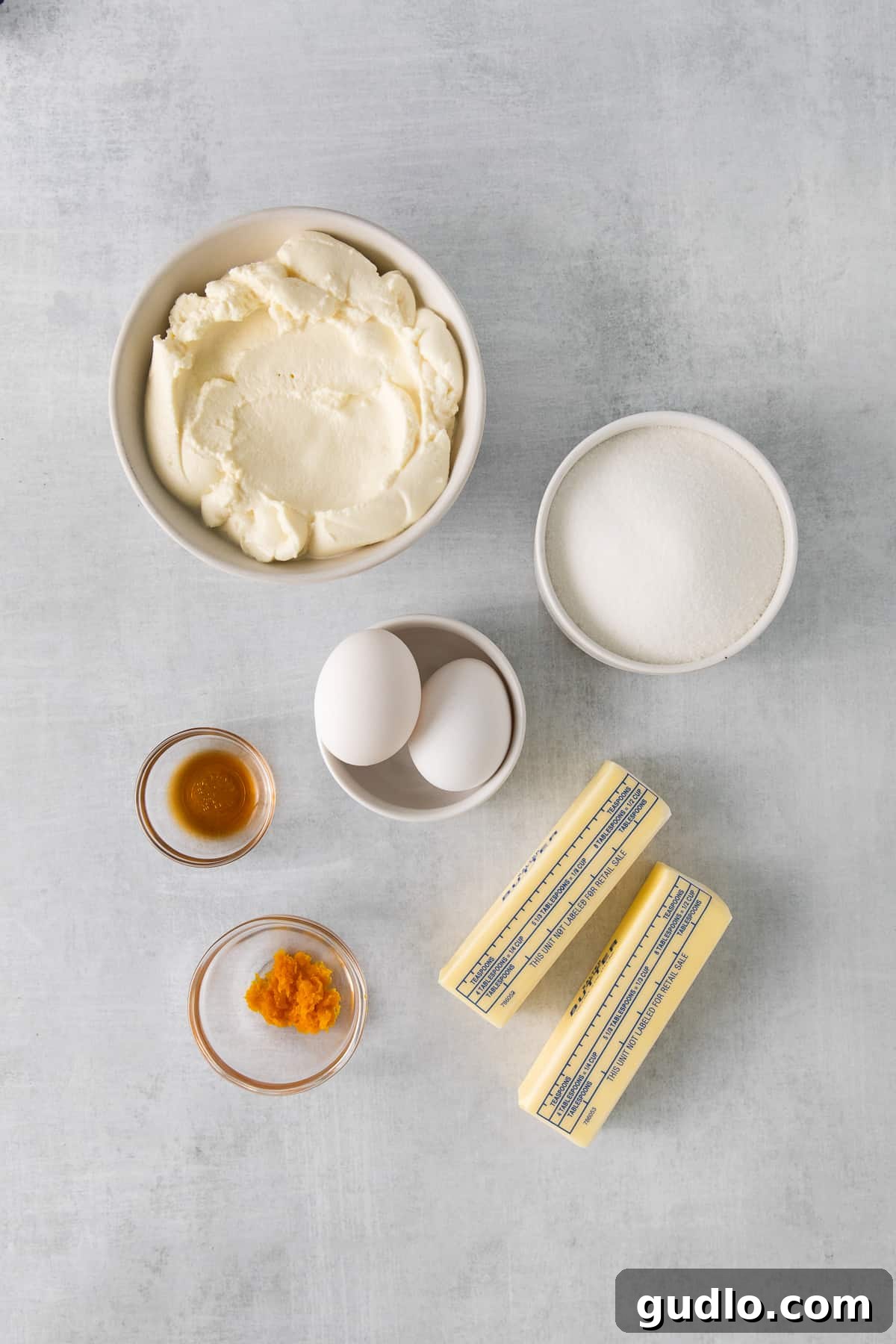
The beauty of these Lemon Ricotta Easter Egg Cookies lies in their ability to deliver complex flavors and textures using readily available, simple ingredients. Each component plays a crucial role in creating the ultimate cookie experience:
- All-Purpose Flour: This forms the foundational structure of our cookies, providing a tender and light crumb. The specific amount ensures they are neither too dense nor too crumbly, achieving that perfect balance.
- Baking Powder: Our preferred leavening agent for these cookies, baking powder contributes to their characteristic light and fluffy texture. Unlike baking soda, which reacts with acid, baking powder offers a consistent rise, helping the cookies firm up beautifully while maintaining moisture.
- Salt: A pinch of salt is essential in any baking recipe. It doesn’t just add salinity; it acts as a flavor enhancer, intensifying the sweet and tangy notes of the lemon and ricotta, creating a more balanced and profound taste profile.
- Unsalted Butter: We opt for unsalted butter to maintain precise control over the overall salt content in the recipe. Using butter at room temperature is crucial for proper creaming, which incorporates air into the dough, leading to a lighter cookie texture.
- Sugar: Granulated sugar provides the primary sweetness for the cookie dough, contributing to its tender texture and golden-brown edges. Powdered sugar (confectioners’ sugar) is vital for the smooth, delicate lemon glaze, dissolving easily to create a silky finish.
- Lemon Zest: You simply cannot have authentic lemon ricotta cookies without the bright, aromatic essence of fresh lemon zest! The zest, derived from the outer rind of the lemon, contains fragrant oils that infuse both the cookie dough and the glaze with an intense citrus flavor without adding excess liquid. Don’t skip this critical ingredient; it can also be used as an elegant garnish.
- Whole Milk Ricotta Cheese: This is the star ingredient that bestows unparalleled moisture, richness, and that distinctive airy, soft texture. Whole milk ricotta is preferred over skim milk varieties because its higher fat content prevents the cookies from becoming watery and yields a far more decadent result. Ensure your ricotta is at room temperature for optimal incorporation into the dough.
- Vanilla Extract: While the name suggests vanilla, the original content had a slight mix-up by mentioning “Almond extract is the flavor hero.” For these lemon ricotta cookies, pure vanilla extract offers a warm, sweet, and comforting undertone that beautifully complements the bright lemon. If you prefer, a touch of almond extract can be added for a subtle, complex note, but vanilla is typically the traditional choice and harmonizes perfectly.
- Large Eggs: Eggs serve as a binder, providing structure and richness to the cookie dough. They also contribute to the moisture content and help achieve a desirable texture. Always use large eggs for consistent results in baking.
- Milk (for Glaze): Milk forms the liquid base of our luscious glaze. We recommend 2% milk as it lends a lovely creaminess and a slightly whiter appearance to the glaze. However, water can also be used if preferred, for a thinner, more translucent finish.
The Secret to Flawless Ricotta Cookies: Chilling the Dough
Achieving the perfect texture and shape for these ricotta cookies hinges on one critical, often overlooked step: allowing the ricotta cookie dough to firm up sufficiently in the refrigerator. This step is absolutely non-negotiable for success! The freshly mixed ricotta cookie dough is quite wet and soft, and without adequate chilling, it will spread excessively in the oven, resulting in flat, unappealing cookies.
Chilling the dough serves several vital purposes:
- Prevents Spreading: As the dough chills, the butter solidifies, which prevents the cookies from spreading too much during baking. This ensures they maintain their delightful egg shape.
- Develops Flavor: Chilling allows the flavors to meld and deepen. The lemon zest and ricotta have more time to infuse the dough, resulting in a more pronounced and harmonious taste.
- Easier Handling: A chilled dough is much firmer and less sticky, making it significantly easier to scoop, roll, and shape into perfectly round balls or festive Easter egg forms.
We highly recommend letting the dough chill for a minimum of 3 hours. For best results and maximum convenience, you can even prepare the dough up to 2 days in advance and store it in the refrigerator until you’re ready to bake. This flexibility makes these cookies an excellent option for holiday meal prep!
More of our Favorite…
Other Irresistible Recipes with Ricotta Cheese
- Fluffy Ricotta Pancakes
- Homemade Ricotta Cheese: A Simple Guide
- Classic Ricotta Cookies
- Explore ALL Our Ricotta Cheese Recipes
Step-by-Step Guide: How to Make Lemon Ricotta Easter Egg Cookies
Creating these delightful cookies is a straightforward process, broken down into easy-to-follow steps. Precision and patience, especially during the chilling phase, will yield the best results.
1. Prepare Your Dry Ingredients
In a medium-sized bowl, combine the all-purpose flour, baking powder, and salt. Whisk them together thoroughly until they are uniformly mixed. This ensures that the leavening agent is evenly distributed throughout the dough. Set this bowl aside for later use.
2. Cream Butter and Sugar
In a larger mixing bowl, add the softened unsalted butter and granulated sugar. Using an electric hand mixer (or preferably a stand mixer with a paddle attachment), beat these ingredients together on medium speed. Continue mixing until the butter and sugar mixture becomes visibly light in color and fluffy in texture, typically taking 2-3 minutes. This creaming process incorporates air, which contributes to the cookies’ tenderness.
Next, reduce the mixer speed to low. Add the fragrant lemon zest, the creamy ricotta cheese, and the vanilla extract to the bowl. Beat gently until all these wet ingredients are just combined and smooth. Be careful not to overmix at this stage.
3. Incorporate Wet and Dry Ingredients
Crack the two large eggs into the wet mixture. Beat on low speed until the eggs are fully integrated into the cookie dough, ensuring no streaks of egg yolk remain. The dough will look smooth and cohesive.
Now, it’s time to slowly introduce the dry ingredients. Add the flour mixture to the wet ingredients gradually, about 1/3 cup at a time. Mix on the lowest speed possible after each addition, just until the flour is combined. Scrape down the sides of the bowl as needed. The key here is to avoid overmixing, which can develop the gluten in the flour and result in tough cookies. Stop mixing as soon as the last bit of flour disappears into the dough.
4. Chill the Dough – The Essential Step!
Once your dough is mixed, cover the bowl tightly with plastic wrap. Place the cookie dough into the refrigerator for a minimum of 3 to 4 hours. This chilling period is crucial for the dough to firm up, preventing the cookies from spreading too much during baking and making them easier to handle. You can prepare the dough up to 2 days in advance, chilling it until ready to bake.
Approximately 15-20 minutes before your dough has finished chilling, preheat your oven to 350°F (175°C). Prepare your baking sheets by spraying them lightly with a non-stick cooking spray or lining them with parchment paper for easy release.
5. Scoop, Shape, and Bake Your Cookies
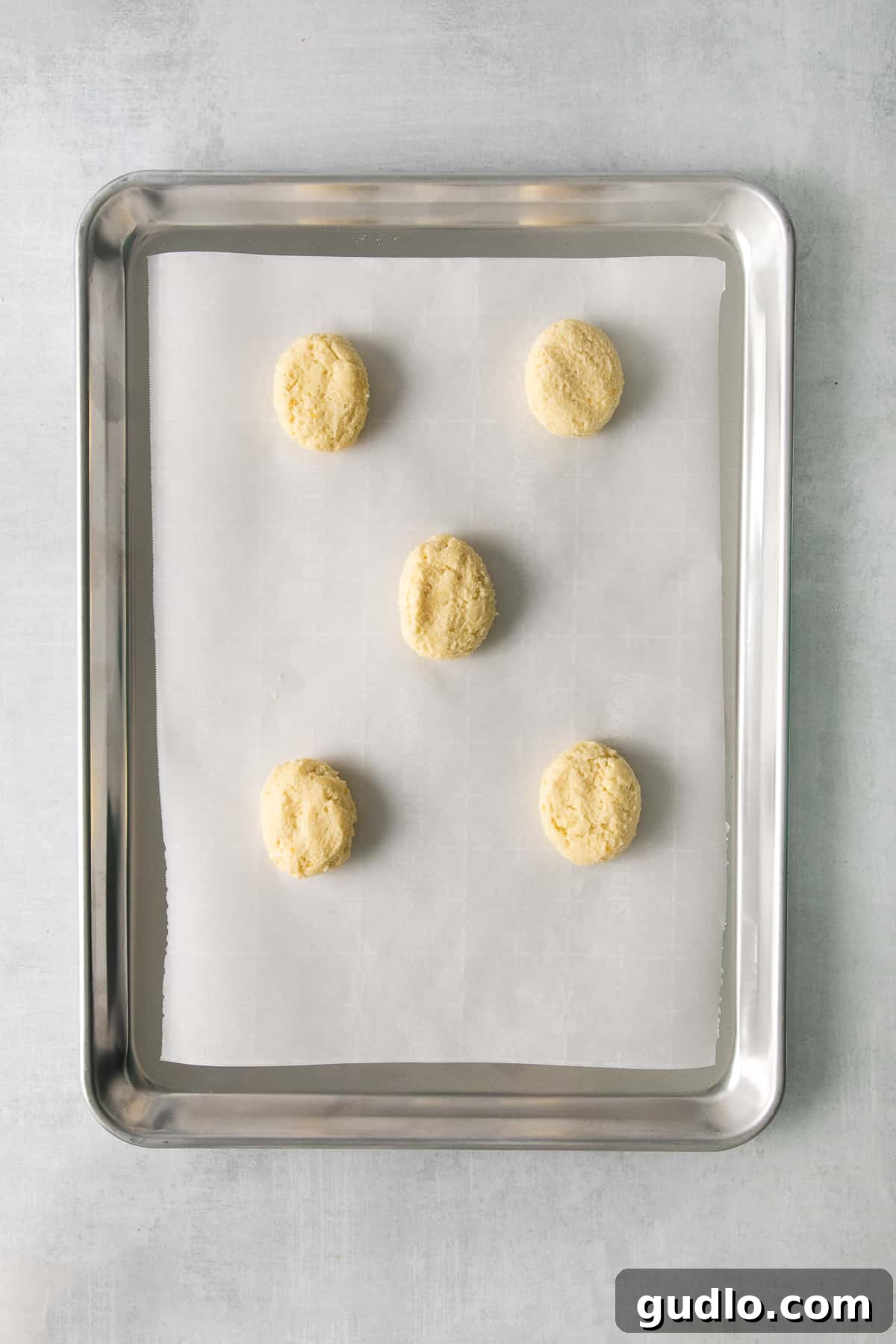
Once the cookie dough has chilled sufficiently and is firm enough to handle, use a 1.5-tablespoon cookie scoop to portion out the dough. Gently roll each scooped portion into a smooth ball between your palms. To create the festive Easter egg shape, lightly mold the ball into an oval form.
Arrange the shaped cookie dough on your prepared baking sheets, ensuring sufficient space between each cookie (about 2 inches apart) to allow for a slight spread during baking. Repeat this process until all the dough has been used. You will likely need to use multiple cookie sheets or bake in batches.
Bake the lemon ricotta cookies in your preheated oven at 350°F (175°C) for approximately 12 minutes, or until the edges are lightly golden brown and the centers are set. The cookies should still be soft to the touch. Avoid overbaking to maintain their tender texture.
As soon as the cookies are removed from the oven, carefully transfer them to a wire cooling rack. Allow them to cool completely for about 15-20 minutes before proceeding to the glazing step. Glazing warm cookies will cause the glaze to melt and run off.
6. Prepare the Luscious Lemon Glaze
While the cookies are cooling, prepare the lemon glaze. In a separate mixing bowl, add the softened butter. Using an electric mixer, beat the butter on low to medium speed until it is smooth and creamy. Gradually add the 2% milk (or water) to the butter, continuing to mix until the mixture is smooth and liquid.
Finally, slowly add the powdered sugar to the butter and milk mixture, beating on low speed until the glaze is completely smooth and free of lumps. The consistency of the glaze should be drippy enough to coat the cookies thinly but not so thin that it runs off entirely. If it’s too thick, add a tiny bit more milk; if too thin, add a little more powdered sugar until desired consistency is reached. Stir in the remaining lemon zest for an extra burst of flavor.
7. Glaze and Decorate for Easter Fun!
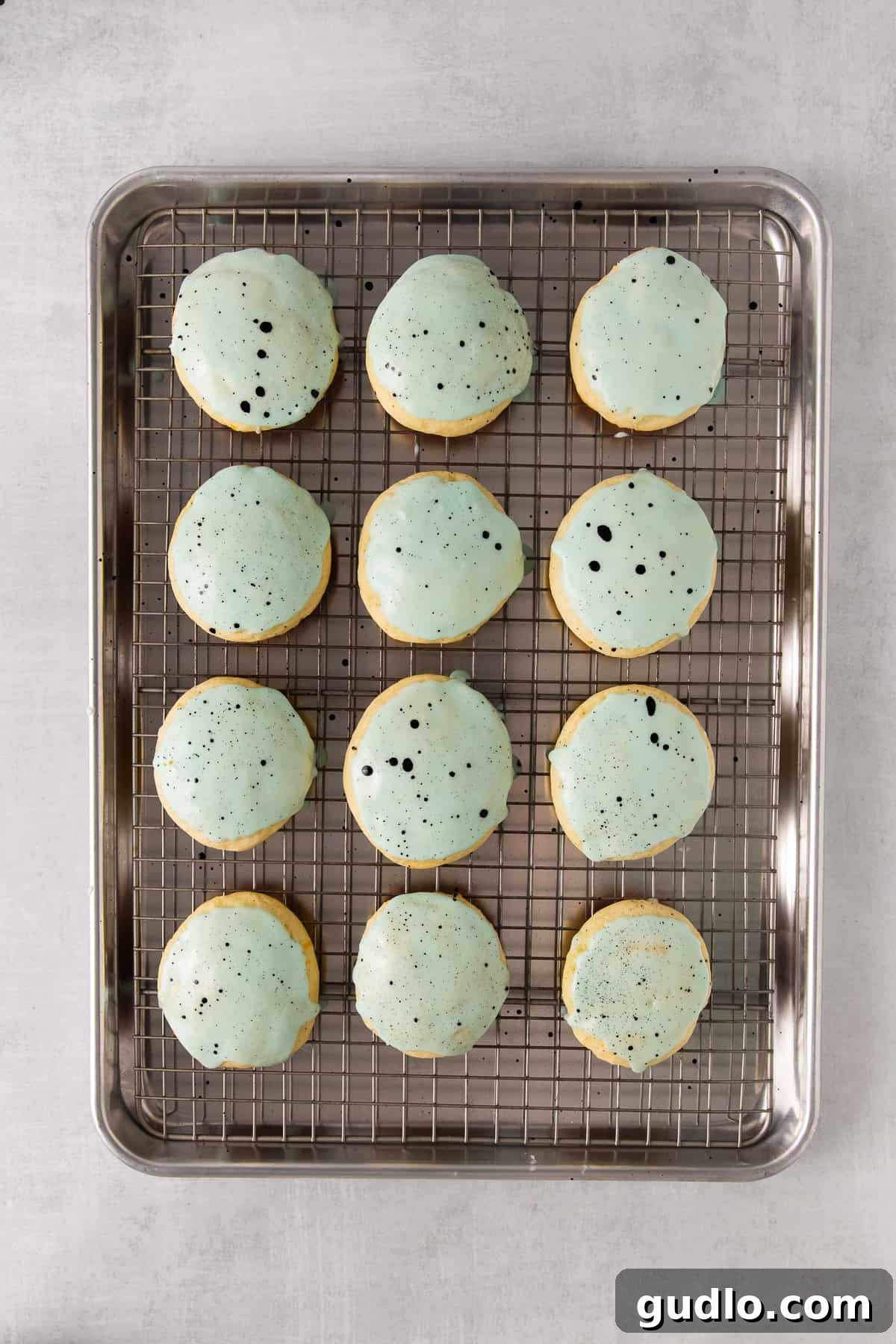
Once the cookies are completely cool, it’s time for the most enjoyable part! Carefully dip the top surface of each cookie into the prepared lemon glaze. Allow any excess glaze to drip off before placing the cookie back onto the cooling rack, glazed side up. Repeat this process for all the cookies.
While the glaze is still wet, unleash your creativity! Sprinkle Easter-colored sprinkles over the glazed cookies for a playful touch. You can also use various pastel-colored food colorings to tint small batches of the glaze, creating vibrant egg-like patterns. Alternatively, use pastel-colored frosting or edible markers to draw intricate designs, transforming each cookie into a unique Easter egg masterpiece. Serve immediately, or allow the glaze to set completely before storing. Enjoy these beautiful and delicious treats!

Frequently Asked Questions About Lemon Ricotta Cookies
Ricotta cookies are renowned for their uniquely soft, moist, and tender texture, making them a truly special occasion cookie, often referred to as Italian ricotta cookies. They offer a delicate balance of flavors – a rich, creamy sweetness from the ricotta and sugar, beautifully uplifted by the bright, zesty notes of fresh lemon. Traditionally, they are flavored with lemon zest and a hint of vanilla (or sometimes almond extract). When dipped in a sweet glaze, it adds another layer of delightful sweetness and a smooth finish, creating a wonderfully complex yet comforting taste experience that is hard to resist.
Generally, if you are using high-quality, whole milk ricotta cheese, you typically will not need to strain it. Whole milk ricotta usually has a thicker, creamier consistency with less excess liquid. However, it is essential to use room-temperature ricotta. If you find any significant amount of watery liquid accumulating after the ricotta comes to room temperature, or if you are using a lighter skim milk ricotta (which tends to be more watery), it’s advisable to gently strain out the excess liquid. This will ensure your dough maintains the correct consistency and prevents the cookies from becoming too thin or spreading excessively. For this specific recipe, using whole milk ricotta at room temperature, we did not find straining necessary.
Flat ricotta cookies are a common issue, and the primary culprit is almost always insufficient chilling of the dough. The ricotta dough is naturally soft and moist. If it’s not properly chilled, the butter within the dough will melt too quickly in the oven, causing the cookies to spread out and flatten prematurely as they bake. To prevent this, ensure you chill the dough for at least 3 hours (and up to 2 days) before baking. Additionally, avoid leaving the dough sitting at room temperature for too long before baking, as it will warm up and lose its firm texture, leading to the same flat cookie problem. Proper chilling ensures the butter stays cold, allowing the cookies to hold their shape and achieve their characteristic fluffy rise.
While many recipes can be adapted for gluten-free diets, we do not recommend directly substituting the all-purpose flour in this specific recipe with a gluten-free flour blend without significant modifications. The unique texture of these ricotta cookies relies heavily on the gluten structure provided by wheat flour. A direct substitution might lead to a different texture, dryness, or excessive spreading. If you wish to make gluten-free ricotta cookies, it is best to seek out a recipe specifically developed and tested for gluten-free ingredients to ensure optimal results.
Storage Tips for Your Lemon Ricotta Easter Egg Cookies
Proper storage ensures your Lemon Ricotta Easter Egg Cookies remain fresh and delicious for as long as possible. Once the cookies are fully glazed, allow the glaze to set and dry completely at room temperature. This usually takes about 30 minutes to an hour, depending on humidity.
Once dry, transfer the cookies to an airtight container. They can be stored at room temperature for up to 2-3 days, but for extended freshness, we highly recommend storing them in the refrigerator. In the refrigerator, they will remain wonderfully moist and flavorful for up to a week. To prevent them from sticking together, you can place parchment paper between layers.
Freezing Lemon Ricotta Cookies
These cookies are remarkably freezer-friendly, making them perfect for meal prepping or having an emergency sweet treat on hand. After the glaze has completely dried, place the cookies in a single layer on a baking sheet and flash freeze them for about 30 minutes until firm. Then, transfer the frozen cookies to an airtight, freezer-safe container or a heavy-duty freezer bag, layering with parchment paper if needed. They can be stored in the freezer for up to 2-3 months.
When you’re ready to enjoy a frozen cookie, simply take it out of the freezer and let it thaw at room temperature for just a few minutes. You’ll be delighted to find that they retain their incredibly soft and chewy texture. Seriously, do yourself a favor and consider making a double batch right from the start – you won’t regret having these delicious cookies readily available!

More of our Favorite…
Delectable Desserts Featuring Ricotta
- Zesty Lemon Ricotta Pancakes
- Decadent Chocolate Chip Ricotta Muffins
- Luxurious Ricotta Cheesecake
- Elegant Strawberry Ricotta Layer Cake
- Moist Lemon Ricotta Cake
- Classic Italian Ricotta Cookies
Recipe: Lemon Ricotta Easter Egg Cookies
These Lemon Ricotta Easter Egg Cookies are a spring masterpiece, combining a bright, zesty lemon flavor with a creamy, airy texture. They are the perfect sweet treat for any springtime celebration or an unforgettable Easter dessert.
By: Emily Richter
Prep Time: 3 hours 20 minutes (includes chilling)
Cook Time: 12 minutes
Total Time: 3 hours 32 minutes
Servings: 36 cookies
Ingredients
Dry Ingredients
- 3 cups all-purpose flour
- 2 teaspoons baking powder
- 1/4 teaspoon salt
Wet Ingredients
- 1 cup unsalted butter, room temperature
- 1.5 cups granulated sugar
- 1 teaspoon lemon zest (from 1-2 lemons)
- 15 oz. whole milk ricotta cheese, room temperature (~1.75 cups)
- 1 teaspoon vanilla extract (or almond extract for a variation)
- 2 large eggs, room temperature
Lemon Glaze
- 2 tablespoons unsalted butter, softened
- 4 tablespoons 2% milk (or water)
- 3 cups powdered sugar
- 1 teaspoon lemon zest
Optional Toppings
- Extra lemon zest
- Assorted Easter sprinkles
- Pastel food coloring for glaze or frosting
Instructions
- In a medium bowl, whisk together the flour, baking powder, and salt until well combined. Set aside.
- In a large mixing bowl, cream the room-temperature butter and granulated sugar with an electric mixer until light and fluffy (2-3 minutes).
- Add 1 teaspoon of lemon zest, ricotta cheese, and vanilla extract to the bowl. Beat on low speed until just combined.
- Crack the eggs into the bowl and beat on low speed until the eggs are completely mixed into the dough.
- Gradually add the dry flour mixture to the wet ingredients, about 1/3 cup at a time, mixing on low speed until just combined after each addition. Be careful not to overmix.
- Cover the cookie dough with plastic wrap and refrigerate for 3-4 hours, or up to 2 days, until firm.
- About 15 minutes before baking, preheat your oven to 350°F (175°C) and line a baking sheet with parchment paper or spray with non-stick spray.
- Once the dough is chilled and firm, use a 1.5-tablespoon cookie scoop to portion the dough. Roll each portion into a ball, then gently mold it into an oval or Easter egg shape. Place on the prepared baking sheet, leaving about 2 inches between cookies. You will need to bake in batches or use multiple sheets.
- Bake for 12 minutes, or until the bottoms are lightly golden brown and the cookies are set.
- Remove cookies from the oven and immediately transfer them to a wire cooling rack. Let them cool completely for 15-20 minutes before glazing.
- To make the lemon glaze: In a separate mixing bowl, beat the softened butter with an electric mixer on low/medium speed until smooth. Gradually add the milk and mix until smooth.
- Slowly add the powdered sugar to the butter-milk mixture and beat on low speed until the glaze is smooth and drippy. Stir in 1 teaspoon of lemon zest.
- Carefully dip the top of each cooled cookie into the glaze, allowing excess to drip off, then place it back on the cooling rack, glazed side up.
- While the glaze is still wet, decorate with Easter-colored sprinkles, or use various pastel food colorings to create festive designs. Serve and enjoy!
Tips & Notes
- Do not skip the refrigeration of the cookie dough. This is crucial for preventing flat cookies and developing flavor.
- These cookies freeze exceptionally well! Bake a double batch for future enjoyment.
- The stated prep time includes the essential 3 hours of refrigeration for the cookie dough.
Watch It
Learn how to make these delicious cookies by watching our step-by-step video tutorial.
Nutrition
(Approximate values per cookie)
- Calories: 180 kcal
- Carbohydrates: 27 g
- Protein: 3 g
- Fat: 7 g
- Fiber: 0.3 g
- Sugar: 18 g
Nutrition information is automatically calculated and should be used as an approximation.