
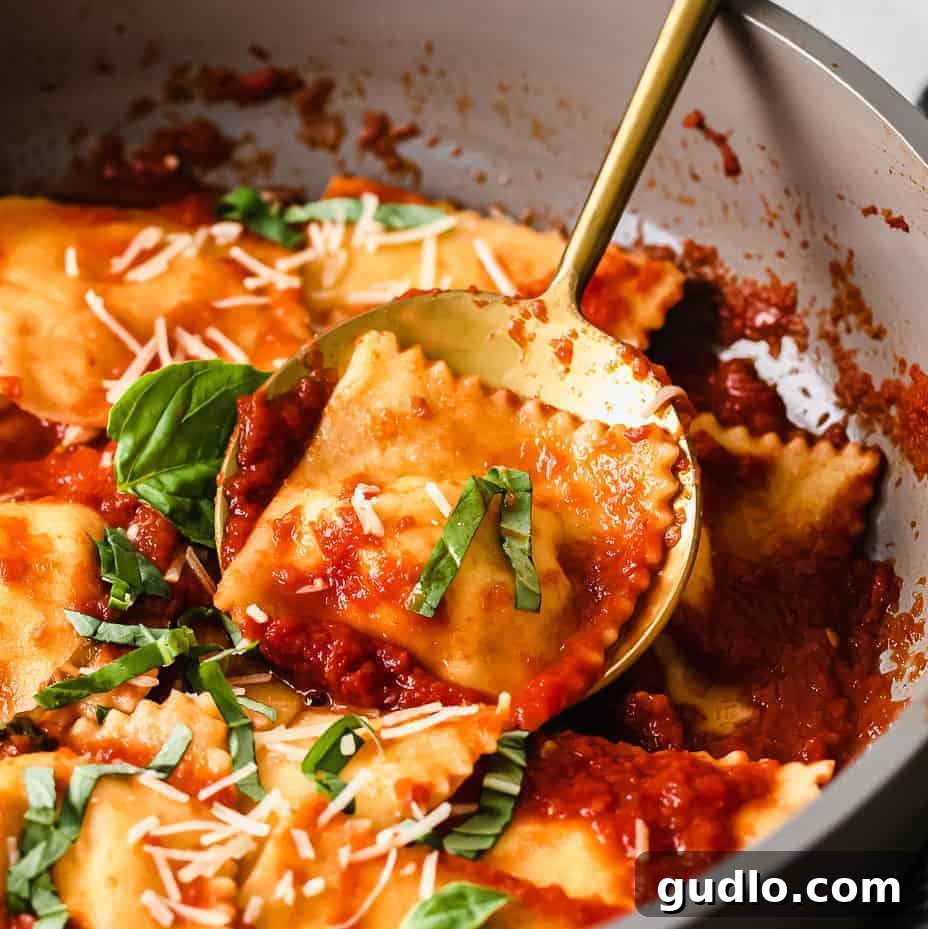
Embark on a culinary journey to Italy right from your kitchen with this incredibly easy and utterly delicious homemade cheese ravioli recipe! Forget store-bought pasta; making your own ravioli from scratch is a deeply rewarding experience, resulting in tender pasta pockets filled with a rich, cheesy blend that truly elevates any meal. This guide will walk you through crafting a super simple pasta dough and an irresistibly cheesy filling, ensuring absolute perfection in every bite. Get ready to impress your family and friends with a dish that tastes gourmet yet is surprisingly accessible for home cooks.
Why You’ll Adore This Homemade Cheese Ravioli
Here at The Cheese Knees kitchen, our passion for homemade pasta knows no bounds. While our goat cheese ravioli holds a special place in our hearts, we understand the universal appeal of a classic. Today, we’re making all your homemade ravioli dreams a reality with a recipe that’s both traditional and straightforward. There’s a profound satisfaction in creating pasta from scratch, from kneading the dough to filling each delicate pocket. This cheese ravioli recipe promises not just a meal, but an experience – a chance to connect with the art of Italian cooking and savor truly fresh, authentic flavors.
Frequently Asked Questions About Ravioli
Ravioli is a beloved type of Italian pasta, characterized by its unique form: a filling encased between two thin layers of pasta dough. For this particular recipe, we’ve curated a mouthwatering filling using a harmonious blend of creamy ricotta, savory mozzarella, and sharp Parmesan cheese. The pasta dough itself is crafted from a thoughtful combination of all-purpose flour for tenderness and semolina flour for that signature al dente bite.
Absolutely, ravioli is indeed a type of pasta! It belongs to the family of “stuffed” or “pocket-filled” pastas, similar in concept to other delightful shapes like tortellini, cappelletti, or mezzelune. Its versatility allows for an endless array of fillings, making it a staple in Italian cuisine.
Unveiling the Simplicity of Cheese Ravioli
At its core, cheese ravioli is a celebration of flavor and texture, featuring pasta pockets generously stuffed with a variety of delicious cheeses. While our recipe focuses on a classic trio of ricotta, mozzarella, and Parmesan, the beauty of ravioli lies in its adaptability. Beyond cheese, these versatile pasta parcels can be filled with an incredible range of ingredients, from succulent meats and vibrant vegetables to fragrant herbs and spices. It’s a dish that truly allows for creative expression, making each batch a unique culinary adventure.
Essential Ingredients for Perfect Cheese Ravioli
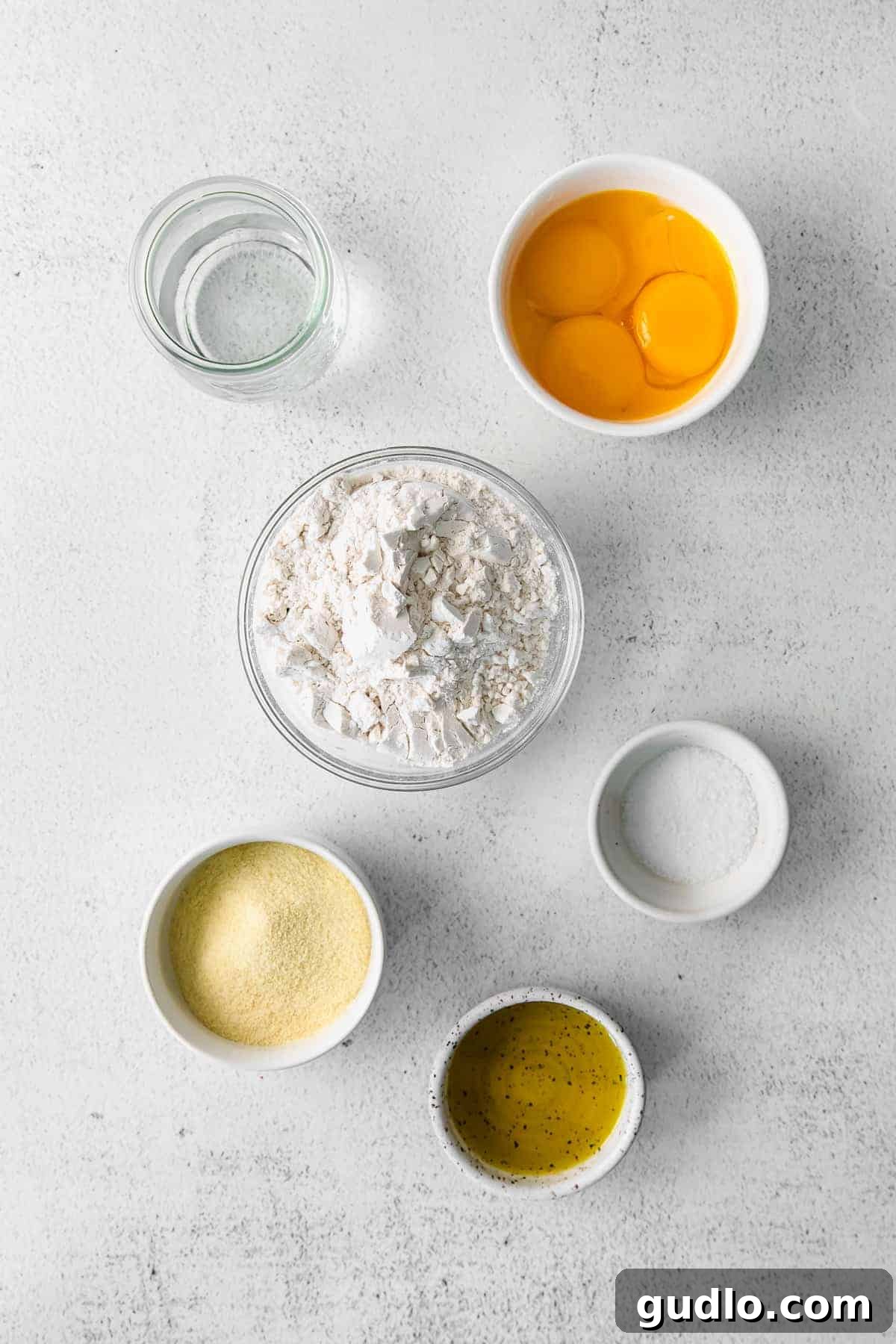
Crafting sublime homemade cheese ravioli begins with gathering the right ingredients. Each component, from the flours that form our pasta dough to the cheeses that create our luscious filling, plays a crucial role in achieving that authentic Italian taste and texture. Here’s a detailed look at what you’ll need to create this culinary masterpiece:
For the Silky Pasta Dough
- All-purpose flour: This is the foundation of our pasta dough, contributing to its soft, pliable, and wonderfully chewy texture. If you’re seeking an even finer, silkier pasta, consider using 00 (“double O”) flour, which is traditionally used in Italy for its low protein content and fine grind.
- Semolina flour: Incorporated to add a delightful “bite” and a slightly coarser texture to the pasta, preventing it from becoming too soft. If semolina flour isn’t available, don’t fret; you can substitute it with an equal amount of additional all-purpose flour, though the texture will be slightly different.
- Salt: A small but mighty ingredient, salt is essential for seasoning the pasta dough itself, ensuring it doesn’t taste bland and complements the flavorful filling.
- Egg yolks: These are critical for enriching the dough, giving it a beautiful golden hue, a smooth consistency, and a luxurious richness. Egg yolks also act as a binding agent, helping the dough come together and preventing it from crumbling during the rolling process.
- Olive oil: A drizzle of good quality olive oil imparts an extra layer of richness and a subtle aromatic flavor to the pasta, making it even more delectable.
- Cold water: Used to bring the dough together, helping it achieve a smooth and elastic consistency. It’s vital to use cold water to prevent the dough from becoming too warm during mixing, which can lead to a tougher final product.
For the Irresistible Cheese Filling
- Ricotta cheese: The quintessential cheese for ravioli filling, ricotta provides a wonderfully smooth, creamy, and subtly sweet base. Opt for whole milk ricotta for a richer, more luxurious, and incredibly creamy filling compared to its part-skim counterpart.
- Parmesan cheese: This hard, aged Italian cheese introduces a delightful salty, nutty, and umami depth to the filling, balancing the ricotta’s mildness. Freshly grated Parmesan will always yield the best flavor.
- Mozzarella cheese: We prefer using finely shredded mozzarella for its superior melting qualities, ensuring a silky-smooth texture within the filling. Larger shreds can sometimes result in a slightly stringy consistency.
- Garlic powder, Italian seasoning & red pepper flakes: These simple yet effective seasonings are chosen to enhance the natural flavors of the cheeses without overpowering them. They add warmth, a touch of savory herbiness, and a subtle hint of heat. Feel empowered to customize these seasonings to your palate – a pinch of freshly grated garlic, finely chopped fresh thyme or sage, or a hint of nutmeg can all work wonders.
- Salt: Essential for properly seasoning the filling, ensuring it’s not bland and all the flavors pop. Do not skip this!
- Egg yolk: A single egg yolk binds the cheese filling together, preventing it from crumbling when cooked, and also contributes to an even richer and creamier texture.
Step-by-Step Guide: Crafting Your Own Cheese Ravioli
The thought of making homemade ravioli might seem daunting, but we’re here to demystify the process! This recipe is designed for simplicity without compromising on flavor or authenticity. Follow our detailed, step-by-step instructions, and you’ll be enjoying incredible, fresh cheese ravioli in no time.
Phase 1: Preparing the Flavorful Filling
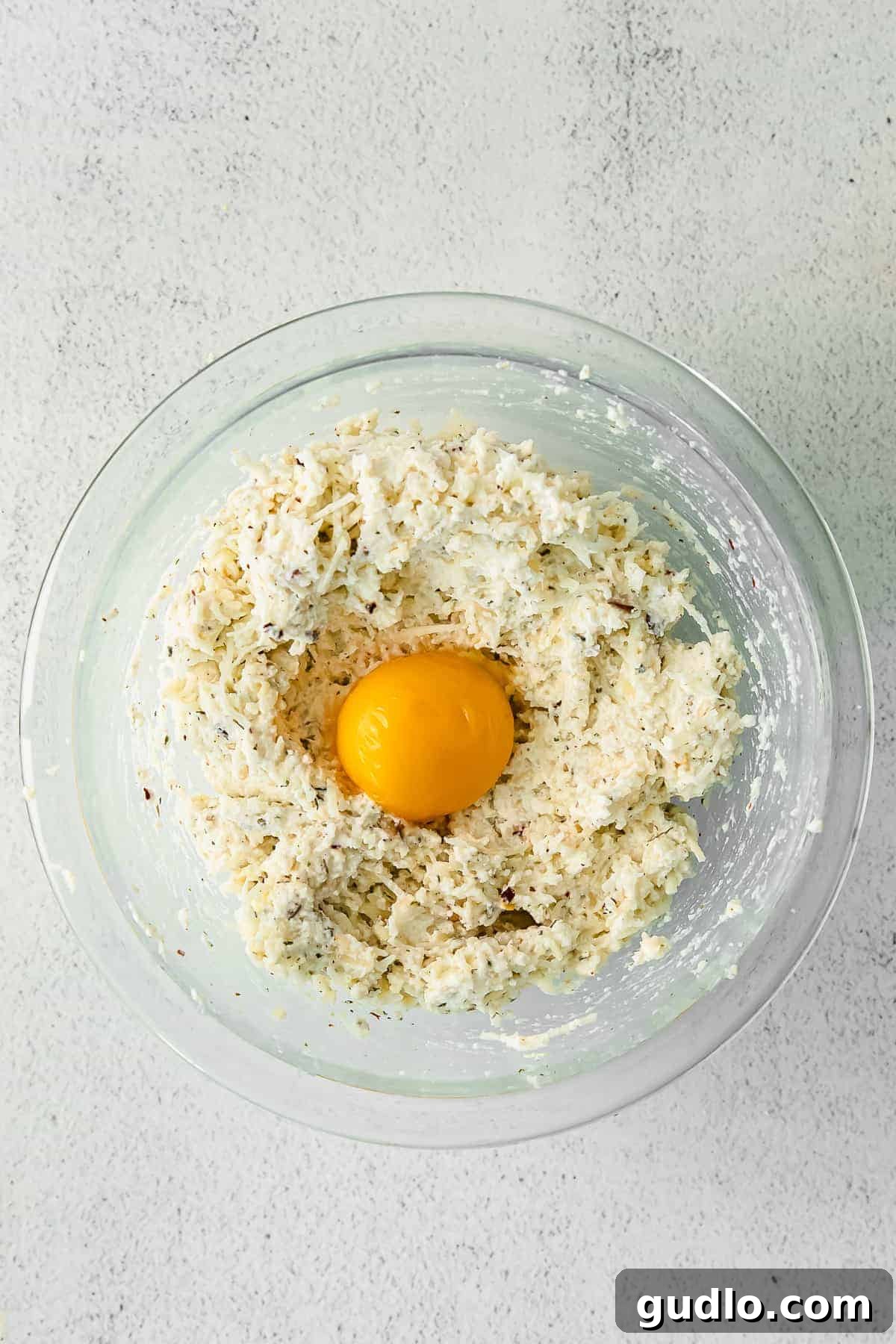
- In a medium-sized mixing bowl, combine the ricotta cheese, finely shredded mozzarella, grated Parmesan, garlic powder, Italian seasoning, a pinch of salt, and red pepper flakes.
- Thoroughly mix all the ingredients until they are well integrated and the mixture is uniform.
- Taste the filling mixture and adjust the seasoning as needed. You might find it benefits from a little more salt for enhanced flavor or extra red pepper flakes for a spicier kick.
- Finally, add the egg yolk to the mixture and mix again until everything is fully combined and creamy. Set aside in the refrigerator while you prepare the pasta dough.
Phase 2: Mastering the Pasta Dough
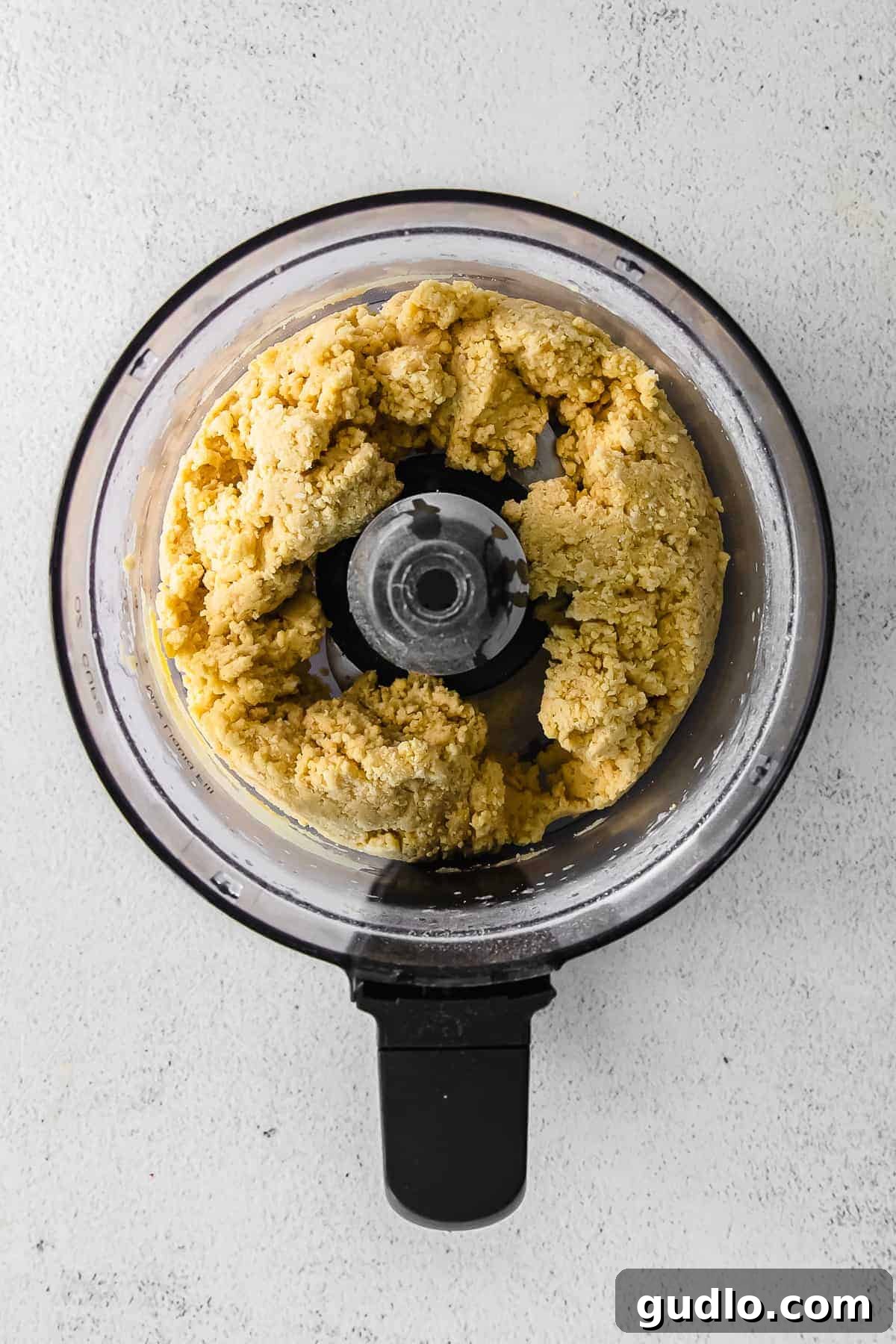
- In the bowl of a food processor, add the all-purpose flour, semolina flour, and kosher salt. Pulse a few times to ensure they are well combined.
- Next, add the egg yolks and olive oil to the dry ingredients. Pulse again until the mixture resembles coarse crumbs.
- With the food processor running on a low setting, gradually add the cold water, one tablespoon at a time, pulsing until the dough begins to come together and forms a loose, shaggy ball. Avoid overmixing.
- Turn the dough out onto a clean, lightly floured surface. Knead the dough by hand for about 30 seconds, just until it forms a smooth, elastic ball. If the dough feels sticky, dust your hands and countertop lightly with semolina flour.
- Wrap the dough tightly in plastic wrap to prevent it from drying out, and let it rest at room temperature for at least 30 minutes. This resting period is crucial as it allows the gluten to relax, making the dough easier to roll and more tender when cooked.
Phase 3: Assembling Your Ravioli Masterpiece
Pro Tip: Using a KitchenAid Pasta Attachment
For those using a KitchenAid pasta attachment, the process is streamlined for perfection. Begin by passing a portion of the dough through the rollers on the widest setting (typically #1). Then, reduce the setting by one notch (to #2) and pass the dough through again. Continue this process, progressively decreasing the setting, dusting the dough lightly with semolina flour as needed to prevent sticking, until you reach setting #5. This method ensures an evenly thin and consistent pasta sheet, ideal for ravioli.
- Lightly flour your work surface with semolina flour. Divide your rested pasta dough in half. Keep one half wrapped in plastic wrap to prevent it from drying out while you work with the first piece.
- Using a pasta machine (manual or attachment) or a rolling pin, roll out the first piece of dough until it is thin enough that you can just barely see your fingers through it. The thinner the pasta, the more delicate your ravioli will be.
- Once the dough reaches the desired thinness, carefully trim the edges to form two equal-sized rectangles.
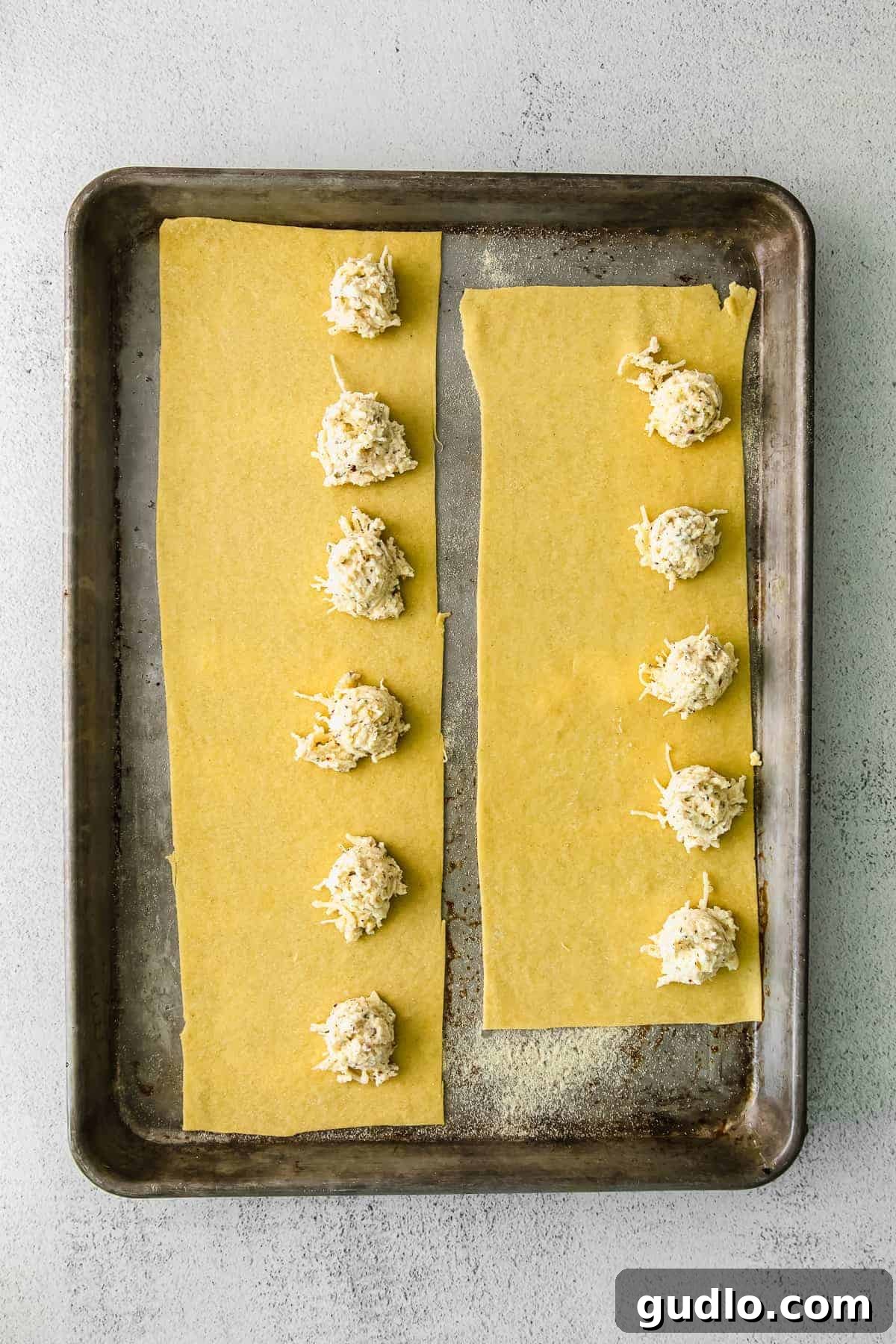
- Arrange one pasta rectangle on your floured surface. Spoon small dollops of your cheese filling onto the bottom half of this pasta sheet, spacing them out evenly. Ensure you leave enough space between each dollop to cut and seal your ravioli without the filling spilling out. Remember, you can make your ravioli as large or as small as you prefer!
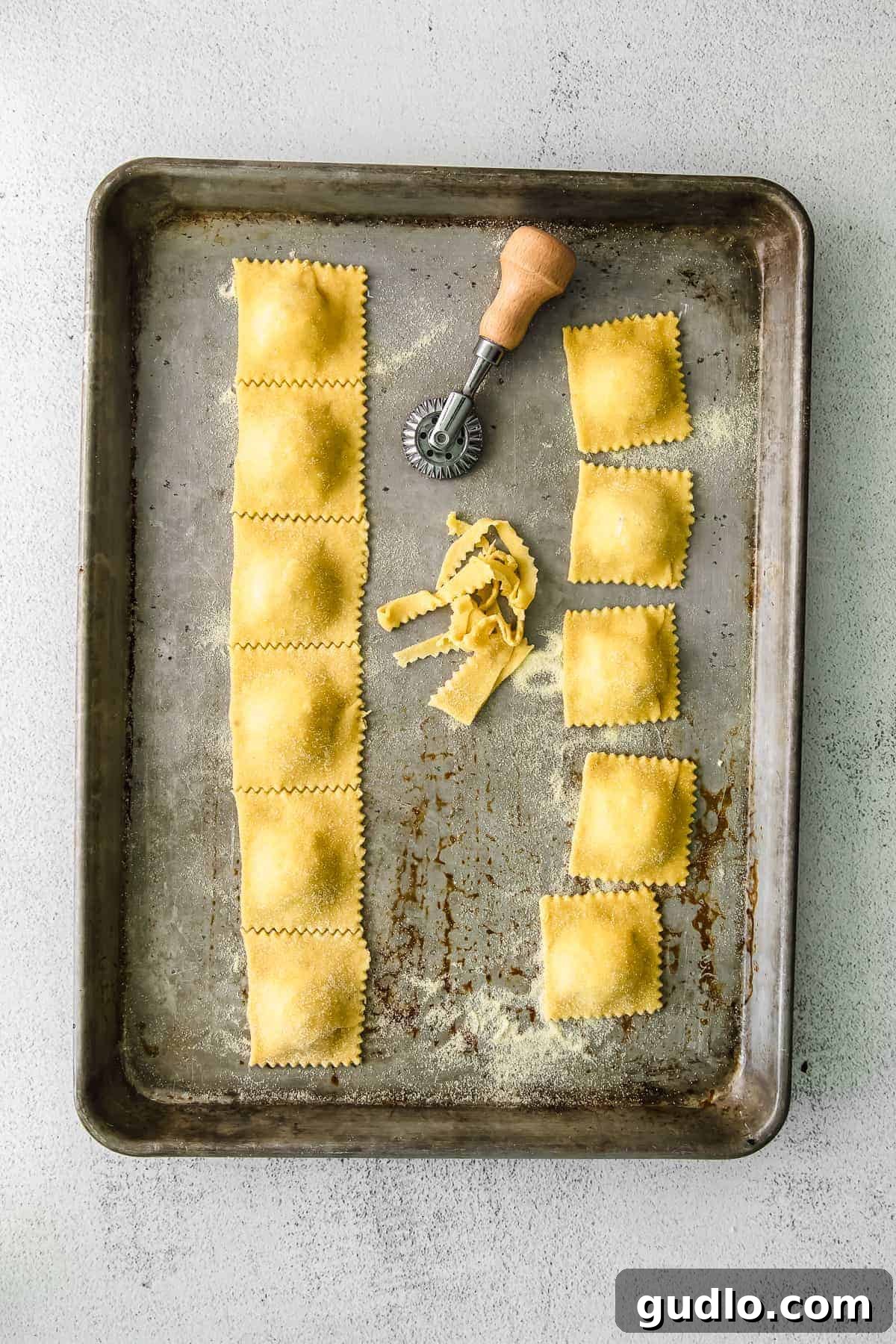
- Lightly moisten the edges around the filling with a bit of water (this acts as glue). Carefully fold the top half of the dough over the filling. Gently press down around each mound of filling, working from the center outwards, to seal the edges and carefully press out any trapped air bubbles. Air bubbles can cause ravioli to burst during cooking.
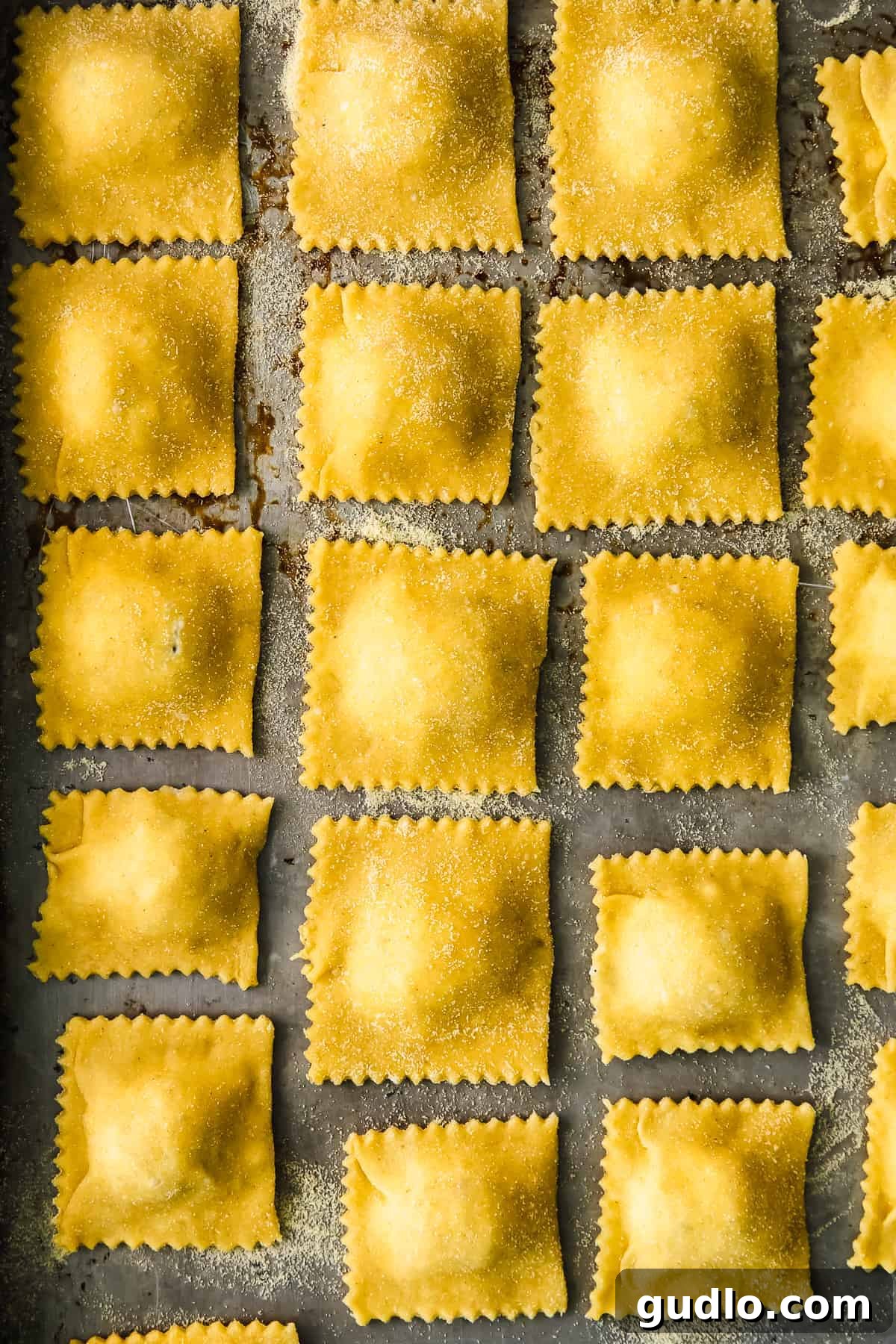
- Using a pasta wheel, knife, or a dedicated ravioli press, cut out your individual ravioli shapes. Transfer the freshly cut ravioli to a baking sheet lightly dusted with semolina flour, ensuring they don’t touch each other.
- Repeat steps 2-6 with the second piece of pasta dough and the remaining filling.
- Once all the ravioli are assembled, let them rest uncovered at room temperature on the semolina-dusted baking sheets for about 30 minutes. This allows the pasta to dry slightly, which helps them hold their shape better during cooking.
Phase 4: Cooking and Serving Your Delightful Ravioli
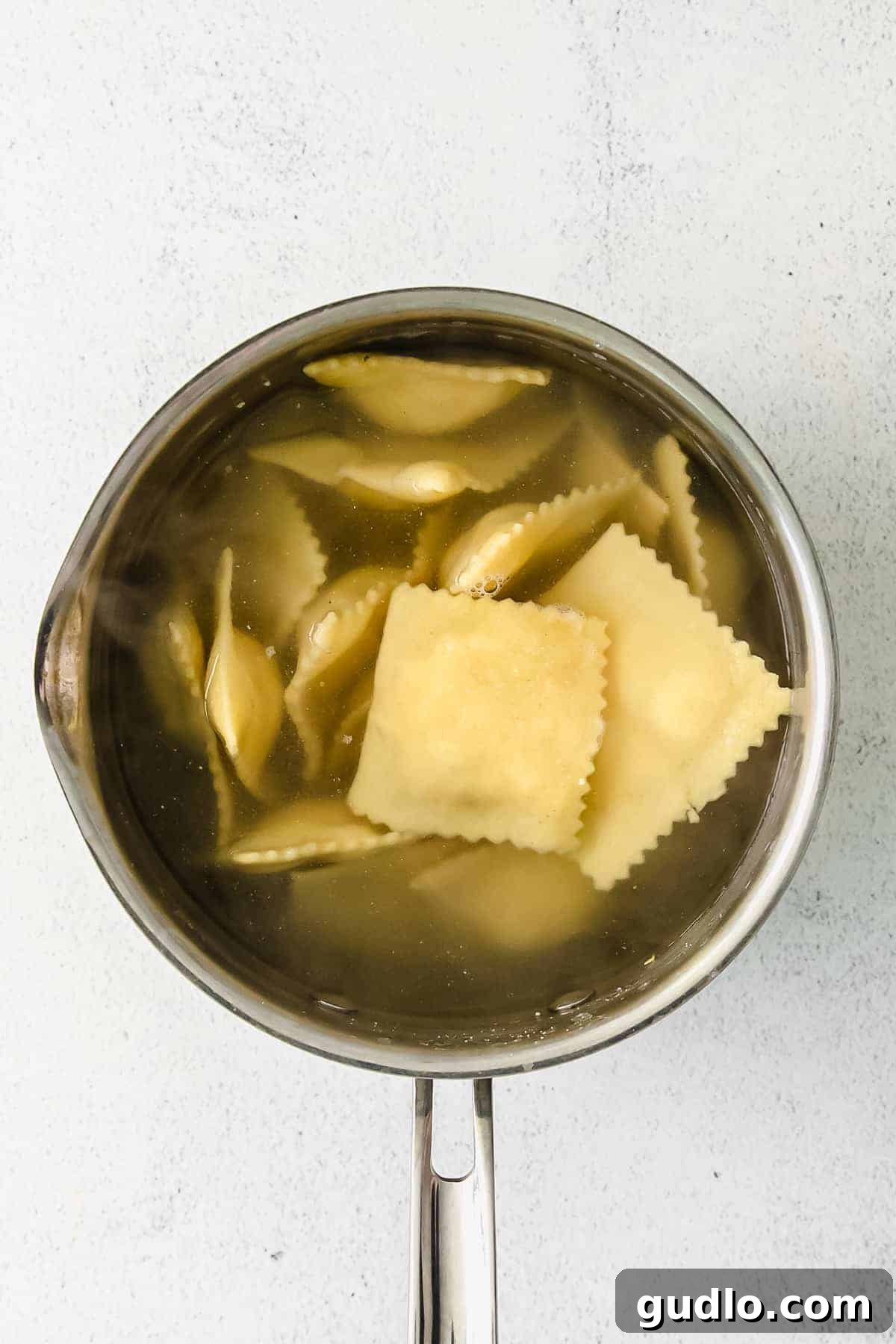
- When you’re ready to serve, bring a large pot of generously salted water to a rolling boil. Carefully add the ravioli to the boiling water, making sure not to overcrowd the pot. Cook for approximately 2-4 minutes, or until the ravioli float to the surface and are tender yet still have a slight bite (al dente).
- This homemade cheese ravioli is incredibly versatile and pairs beautifully with virtually any sauce you desire. From a vibrant pesto to a rich Alfredo, a classic marinara, or a creamy vodka sauce – the choice is yours!
- For convenience, uncooked ravioli can be prepared up to 24 hours in advance and stored in the refrigerator, tightly wrapped in plastic wrap. Cooked ravioli can be stored in an airtight container in the fridge for up to three days, perfect for delicious leftovers.
Craving More Ravioli?
Discover Our Goat Cheese Ravioli!
If you’ve loved this cheese ravioli, you absolutely must try our sophisticated goat cheese ravioli, often served with a luxurious sage brown butter sauce. It’s another homemade delight!
Elevating Your Meal: How to Serve Cheese Ravioli
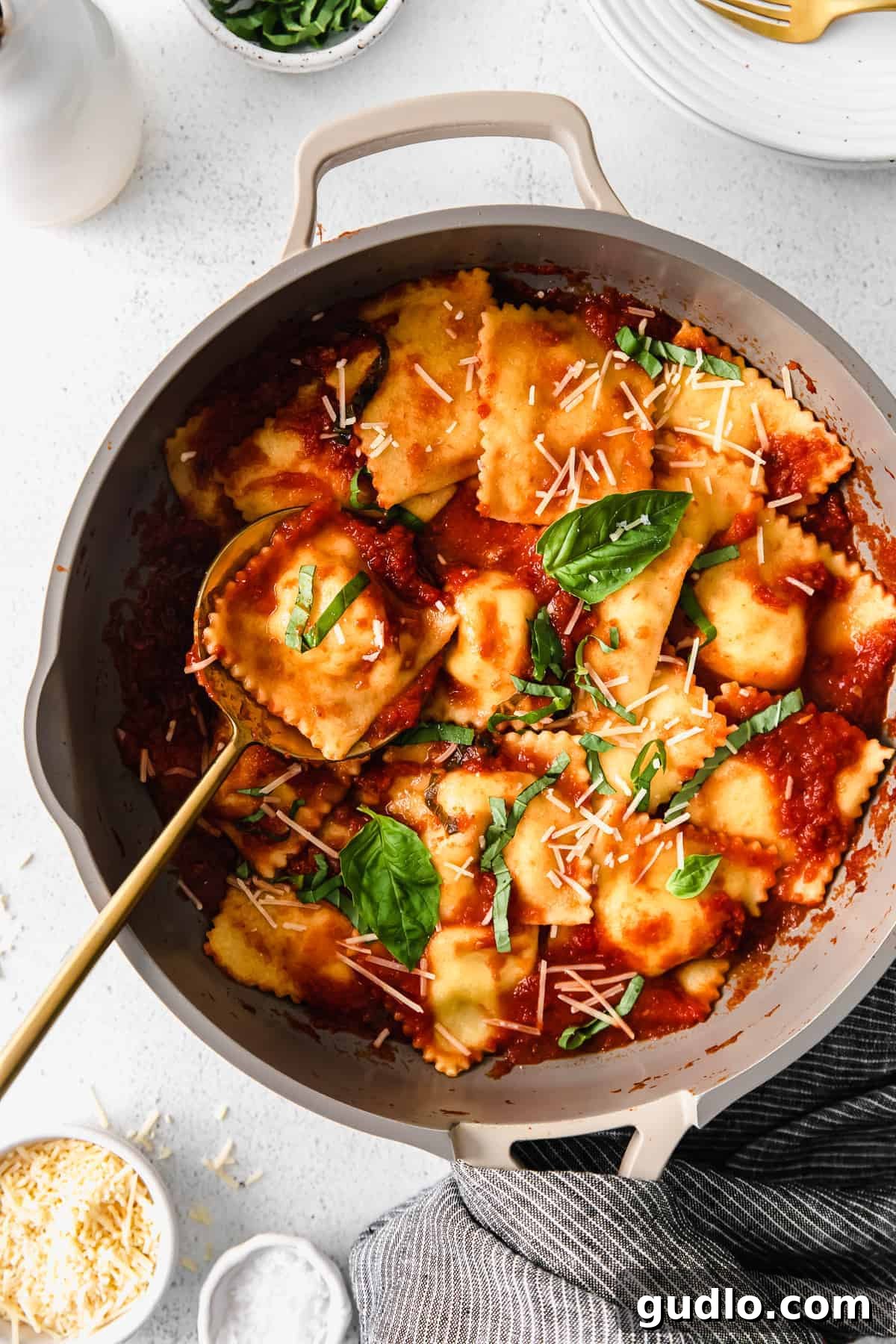
The beauty of this homemade cheese ravioli lies in its versatility. It’s a blank canvas for your favorite flavors, pairing exquisitely with a wide array of sauces and garnishes. While a simple drizzle of olive oil and a sprinkle of Parmesan is always a classic, here are some ideas to inspire your culinary creations:
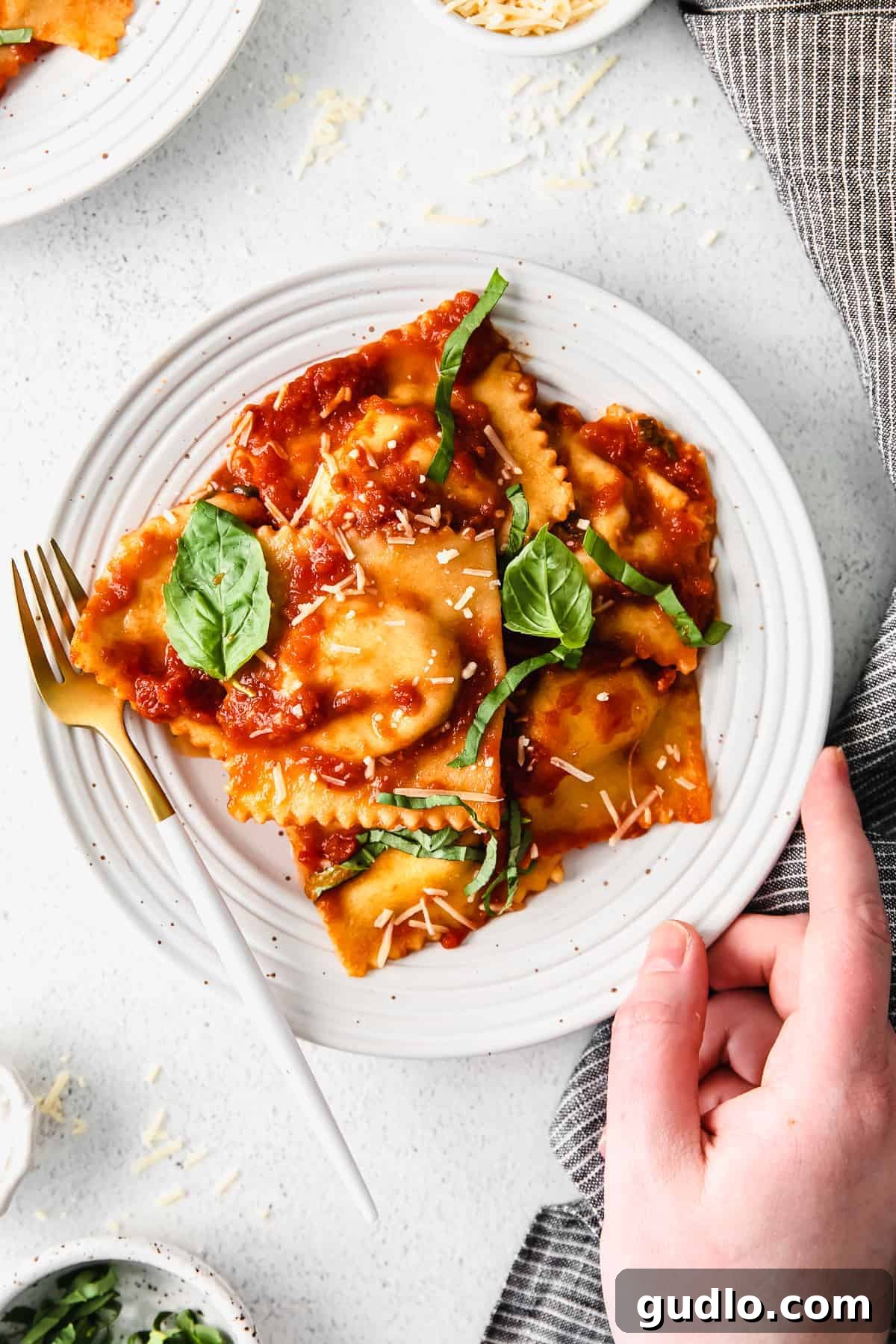
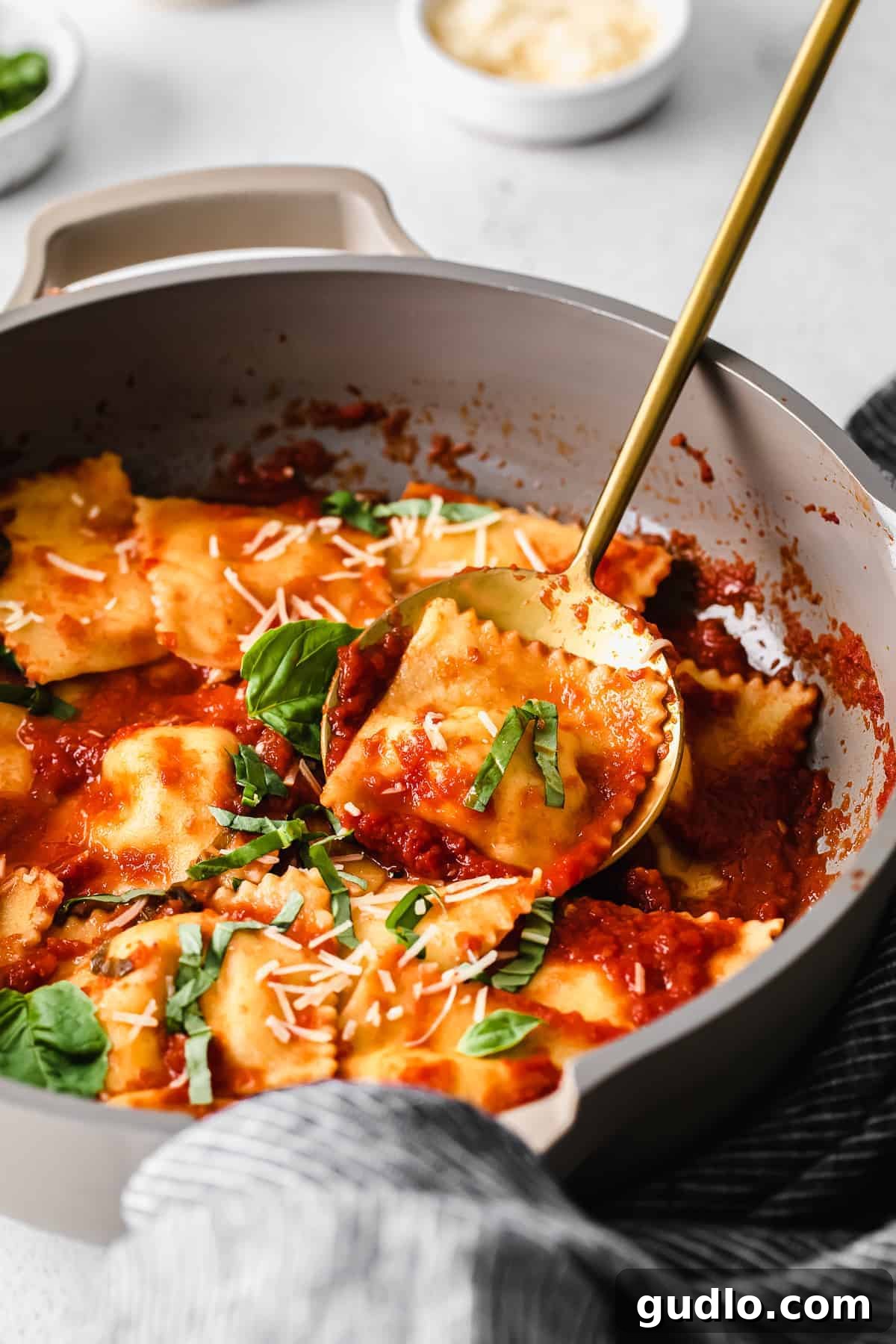
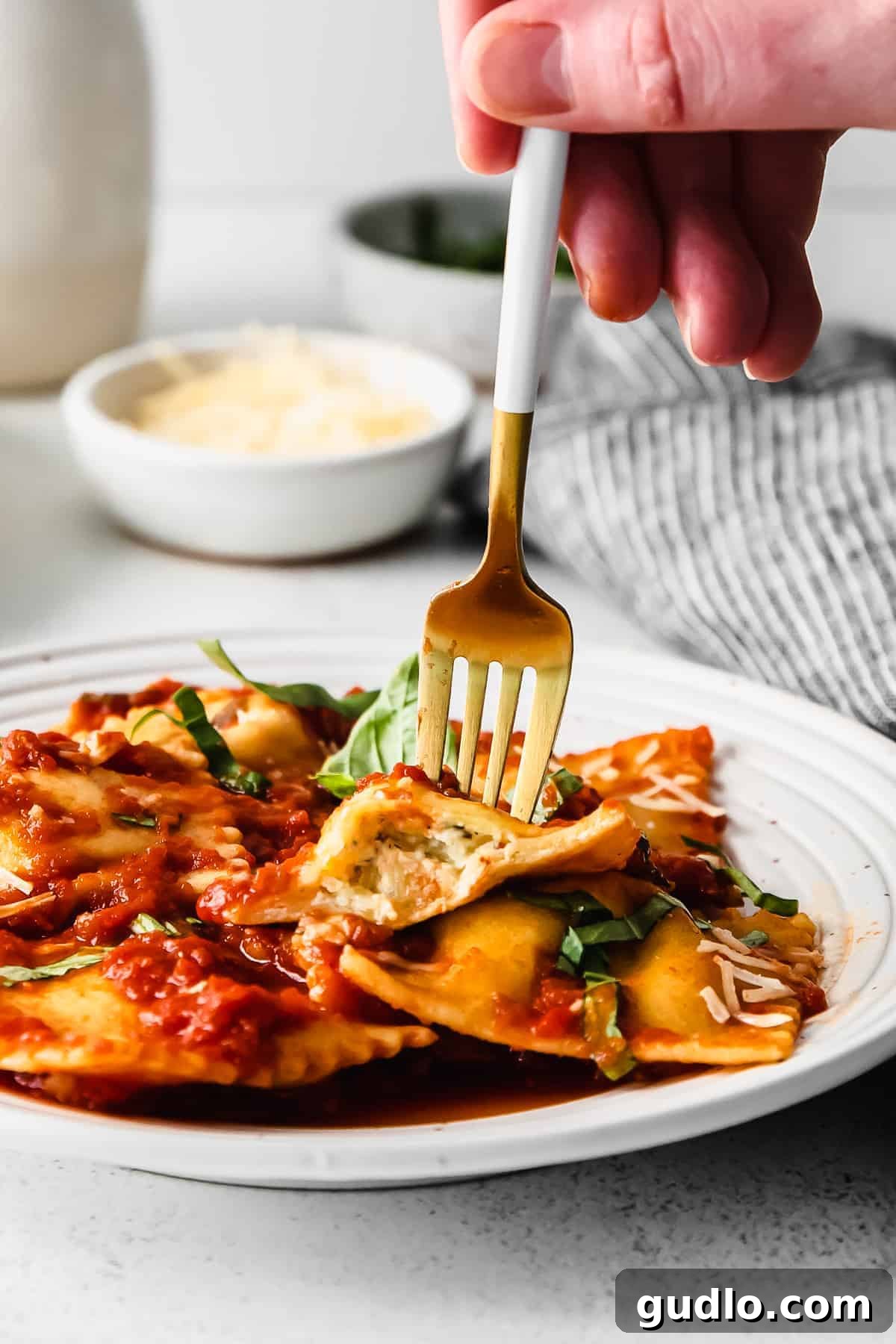
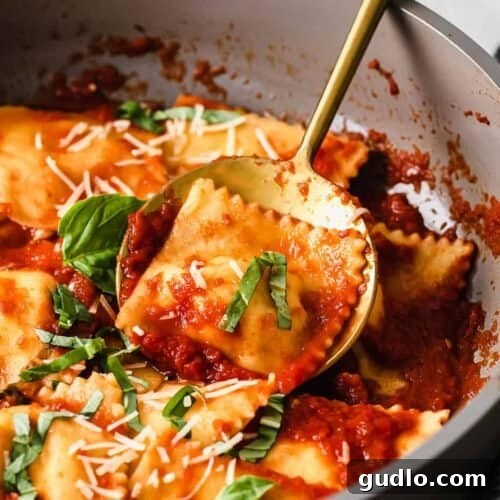
- Classic Marinara: A rich, vibrant marinara sauce is a timeless choice, offering a sweet and tangy counterpoint to the creamy cheese filling. In our accompanying photos, we’ve showcased our ravioli with a robust marinara, adorned with fresh basil leaves and a generous dusting of shredded Parmesan. For those keen on making their own, our sister site, Fit Foodie Finds, boasts an incredible homemade marinara sauce recipe that you’ll adore!
- Pesto Perfection: A bright, herbaceous pesto, whether traditional basil pesto or a sun-dried tomato variation, adds a fresh and aromatic dimension.
- Creamy Alfredo: Indulge in luxury with a velvety Alfredo sauce, providing a rich, savory coating that complements the cheese filling beautifully.
- Brown Butter Sage: For an elegant touch, a simple brown butter sauce infused with fresh sage leaves creates a nutty, earthy flavor that’s utterly divine.
- Vodka Sauce: A creamy, tomato-based vodka sauce offers a sophisticated and slightly spicy kick.
Don’t be afraid to experiment with your favorite sauces and toppings. A sprinkle of fresh parsley, a grating of lemon zest, or a dusting of red pepper flakes can all add delightful nuances to your dish. Serve with a side of crusty bread for soaking up every last drop of sauce!
Smart Storage Solutions for Your Cheese Ravioli
Proper storage ensures you can enjoy your homemade cheese ravioli for days to come, whether cooked or uncooked. Here’s how to keep them fresh:
To store cooked ravioli: After boiling, gently drain the ravioli and lightly toss them with a small amount of olive oil. This prevents them from sticking together. Transfer the ravioli to an airtight container and store it in the refrigerator for up to three days. When reheating, you can gently warm them in a skillet with a splash of water or sauce, or microwave until heated through.
Pro tip for uncooked ravioli: If you’re preparing ravioli ahead of time but plan to cook them soon, they can be made up to 24 hours in advance. Simply arrange them in a single layer on a semolina-dusted baking sheet, cover tightly with plastic wrap, and store in the refrigerator. This allows them to dry slightly, improving their texture and preventing sticking.
Freezing Homemade Cheese Ravioli for Later Enjoyment
One of the greatest advantages of making homemade ravioli is the ability to freeze batches for quick and easy meals on busy weeknights. Freezing ensures you always have a taste of Italy ready whenever a craving strikes. The best part? You cook the ravioli directly from frozen, no thawing required!
How to Freeze Cheese Ravioli: To successfully freeze your ravioli, first, lightly flour a baking sheet with semolina flour. Arrange the freshly made (uncooked) ravioli in a single layer on the prepared baking sheet, ensuring none of them touch each other. This is crucial to prevent them from sticking together as they freeze. Place the baking sheet in the freezer and allow the ravioli to freeze completely solid, which usually takes a few hours. Once frozen, gently dust off any excess flour and carefully transfer the rock-hard ravioli into a freezer-safe bag or airtight container. They can be stored in the freezer for up to 2-3 months.
How to Cook Frozen Ravioli: When you’re ready to enjoy your frozen ravioli, simply bring a large pot of generously salted water to a rolling boil. Carefully add the frozen ravioli directly to the boiling water. There’s no need to thaw them beforehand. Cook the ravioli until they float to the surface and are tender. Frozen ravioli may take an additional minute or two longer to cook through compared to fresh ravioli. Once cooked, use a slotted spoon to transfer them to your favorite warmed sauce, toss gently to coat, and serve immediately. It’s truly that easy to enjoy a homemade meal anytime!
Discover More of Our Favorite…
Irresistible Pasta Recipes
If you’re a pasta enthusiast like us, you’ll love exploring these other incredible recipes from our kitchen:
- Baked Mac and Cheese: The ultimate comfort food, rich, creamy, and baked to golden perfection.
- Creamy Alfredo Pasta: A luxurious and easy-to-make Alfredo sauce that will become a staple.
- Rigatoni Pie: A show-stopping pasta dish that’s as impressive to look at as it is delicious to eat.
- Explore ALLOur Pasta Recipes: Dive into our full collection for endless pasta inspiration!
★
★
★
★
Homemade Cheese Ravioli Recipe
Prep: 1 hour
Cook: 5 minutes
Total: 1 hour 5 minutes
Print Recipe
Ingredients
Pasta Dough
- 1 cup all-purpose flour
- ¼ cup semolina flour
- ½ teaspoon kosher salt
- 3 large egg yolks
- 2 tablespoons olive oil
- ¼ cup cold water
Cheese Filling
- 1 cup whole milk ricotta cheese
- 1 cup finely shredded mozzarella cheese
- ½ cup freshly grated parmesan cheese
- 1 teaspoon garlic powder
- 1 teaspoon dried Italian seasoning
- ¼ teaspoon kosher salt
- ¼ teaspoon crushed red pepper flakes
- 1 egg yolk
Instructions
Pasta Dough Preparation
-
Combine all-purpose flour, semolina flour, and kosher salt in a food processor. Pulse briefly to mix.
-
Add egg yolks and olive oil to the flour mixture. Pulse until the ingredients are just combined and the mixture resembles coarse crumbs.
-
With the food processor running on low speed, gradually add the cold water, pulsing until the dough comes together into a loose ball.
-
Transfer the dough to a clean, lightly floured surface. Knead for about 30 seconds until it forms a smooth, elastic ball. If sticky, dust hands and surface with semolina flour.
-
Wrap the dough tightly in plastic wrap and let it rest at room temperature for 30 minutes. Use this resting time to prepare the cheese filling.
Cheese Filling Preparation
-
In a small bowl, thoroughly mix ricotta, mozzarella, parmesan, garlic powder, Italian seasoning, salt, and red pepper flakes.
-
Taste the filling and adjust seasoning (salt or red pepper) to your preference.
-
Stir in the egg yolk until fully combined. Store in the fridge until ready to use.
Ravioli Assembly and Cooking
-
Prepare your workstation by lightly flouring it with semolina. Have a small bowl of water ready for sealing. Divide the pasta dough in half, keeping one half wrapped.
-
Roll out the first piece of pasta dough according to your pasta machine’s instructions (or by hand) until it is thin enough to see your fingers through.
-
If using a KitchenAid pasta attachment, start on setting #1. Pass the dough through, then move to setting #2 and repeat. Continue reducing the setting until you reach #5, dusting with semolina as needed.
-
Once thin, trim the pasta sheet into two equal-sized rectangles.
-
Spoon about 2 teaspoons of filling onto the bottom half of one pasta rectangle, leaving space to cut each ravioli. The size of your ravioli is up to you!
-
Fold the top half of the dough over the filling. Dip your fingers in water and moisten the outer edges of the ravioli, then gently press to seal. Ensure all air bubbles are pressed out.
-
Cut out the ravioli using a pasta roller, ravioli stamp, or sharp knife. Place them on a semolina-dusted baking sheet, ensuring they do not touch.
-
Repeat steps 7-12 with the second piece of pasta dough and remaining filling.
-
Allow all cut ravioli to dry at room temperature for 30 minutes on the baking sheet.
-
When ready to serve, bring a large pot of salted water to a boil. Cook ravioli until they float, about 2 minutes for fresh pasta.
-
Serve your delicious ravioli with your favorite sauce, such as marinara, pesto, or brown butter.
-
Uncooked ravioli can be refrigerated for up to 24 hours. Cooked ravioli keeps in an airtight container in the fridge for up to three days.
Watch The Recipe
Watch the full recipe video for visual guidance on making this homemade cheese ravioli! (Video ID: 8PwdA5Ng)
Nutrition
Carbohydrates: 36 g,
Protein: 25 g,
Fat: 29 g,
Fiber: 2 g,
Sugar: 0 g
Nutrition information is automatically calculated and should be used as an approximation only.
Loved this recipe? Share your thoughts below!
We’d be thrilled to see your creations! Don’t forget to tag your posts on social media with the hashtag #cheeseknees.