
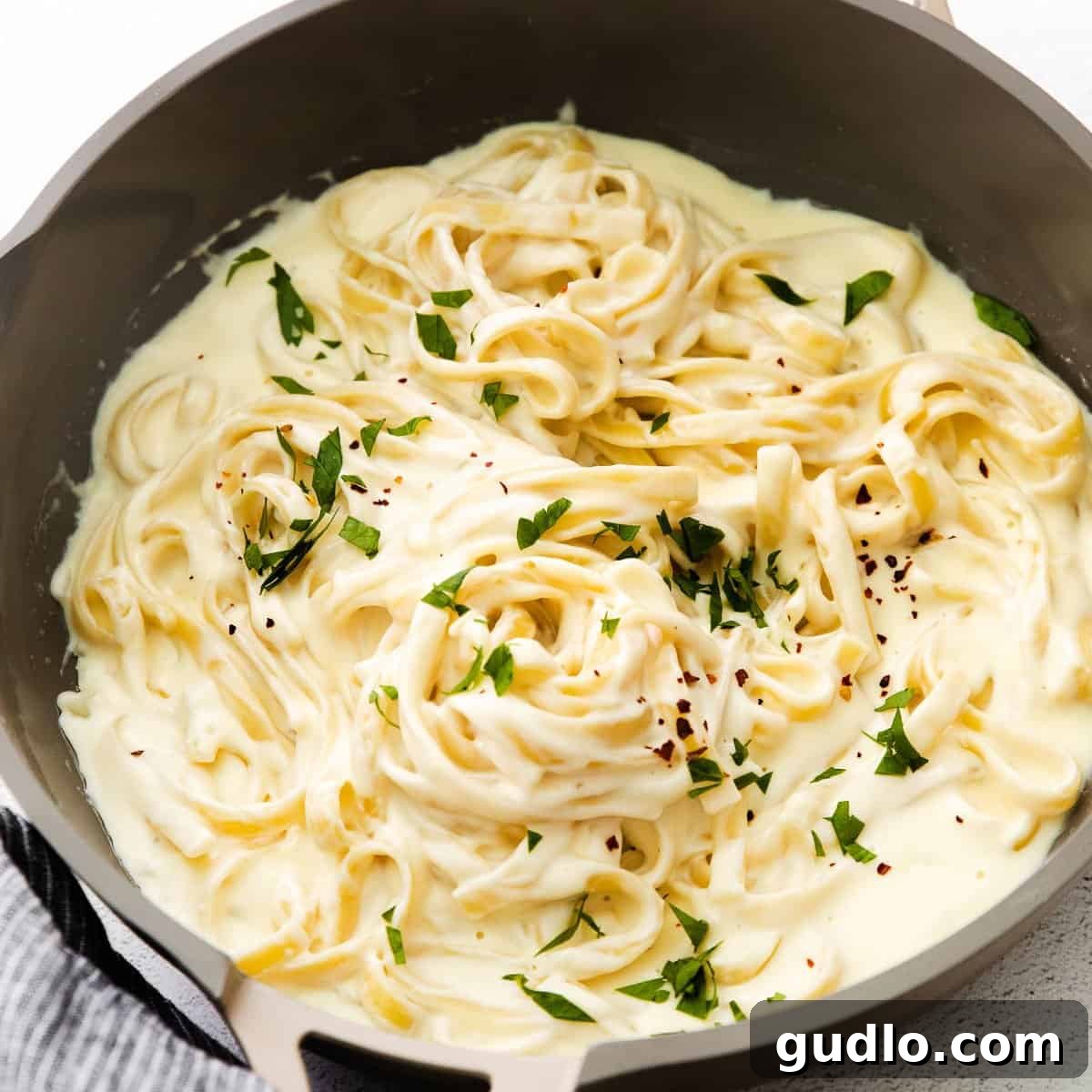
There’s nothing quite like a comforting bowl of pasta, but a watery sauce can instantly dampen the experience. Whether it’s a runny Alfredo, a thin marinara, or a soupy mac and cheese, achieving that ideal, clingy consistency is key to a truly satisfying dish. Don’t let a thin sauce ruin your culinary masterpiece! You’ll be delighted to know that transforming a watery pasta sauce into a rich, luscious creation is much simpler than you might think. With just a few common kitchen staples and straightforward techniques, you can easily rescue your sauce and elevate your pasta dish from good to absolutely amazing.
In this comprehensive guide, we’ll explore three highly effective and easy-to-implement methods to thicken any pasta sauce. Each technique offers unique advantages and is suitable for different types of sauces, ensuring you always have the perfect solution at your fingertips. We’ll dive deep into the science behind each method, provide step-by-step instructions, and share valuable tips to help you achieve professional-level results in your home kitchen. Get ready to banish watery sauces forever and embrace the art of perfectly thickened pasta!
Mastering the Art: How to Thicken Pasta Sauce Effectively
Have you ever spent time preparing a delicious pasta dish, only to find the sauce lacking the desired thickness? It’s a common kitchen dilemma, and one I’ve encountered many times myself! Picture this: watery spaghetti, a disappointingly thin mac and cheese sauce, or an Alfredo that just won’t cling to your pasta. These scenarios can be frustrating, but the good news is, they’re entirely preventable and fixable. Learning how to properly thicken your sauce is a fundamental skill for any home cook, and it opens up a world of possibilities for creating restaurant-quality pasta dishes.
In this detailed post, we’ll empower you with three distinct, tried-and-true methods to thicken your pasta sauce. Each technique brings something different to the table, allowing you to choose the best approach based on your sauce type, desired texture, and ingredients on hand:
- Crafting a Roux: The classic foundation for rich, creamy sauces.
- Utilizing Starchy Pasta Water: A simple, flavorful secret ingredient.
- Preparing a Cornstarch Slurry: A quick and powerful thickening agent.
Method 1: Make a Roux for a Velvety Smooth Sauce
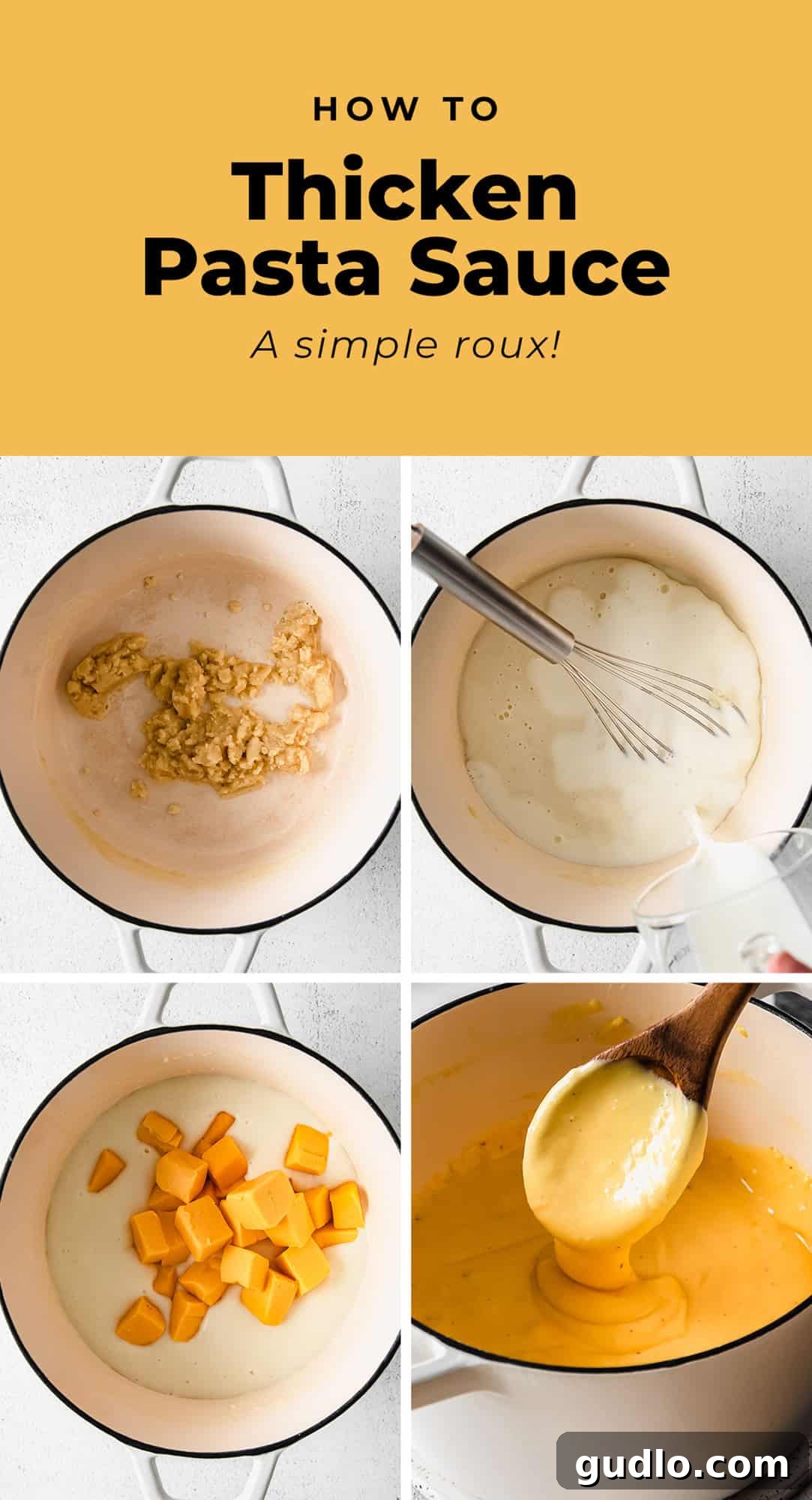
A roux is a fundamental thickening agent in classical cooking, and it’s an incredibly easy and effective way to thicken almost any pasta sauce, especially those that are dairy-based or require a rich, smooth consistency. Whether you’re aiming for a luxurious cheese sauce for mac and cheese, a robust béchamel, or simply want to add body to a simple cream sauce, a properly made roux is your secret weapon.
At its core, a roux is a cooked mixture of equal parts flour and fat, typically butter. The fat coats the flour particles, preventing them from clumping when added to liquid, while the cooking process removes the raw flour taste and enhances its thickening power. We commonly use all-purpose flour and unsalted butter for a classic roux, which imparts a wonderful richness and depth of flavor to your pasta sauce. The beauty of a roux lies in its ability to create a stable, velvety texture that holds up beautifully without breaking.
How to Prepare a Roux for Pasta Sauce
Follow these simple steps to create a perfect roux that will transform your pasta sauce:
- Prepare Your Pan: Heat a separate saucepan (distinct from your main pasta sauce pan) over medium heat. This ensures you have precise control over the roux’s cooking.
- Melt the Butter: Add your unsalted butter to the preheated saucepan. Allow it to melt completely until it’s glistening and just starting to bubble slightly.
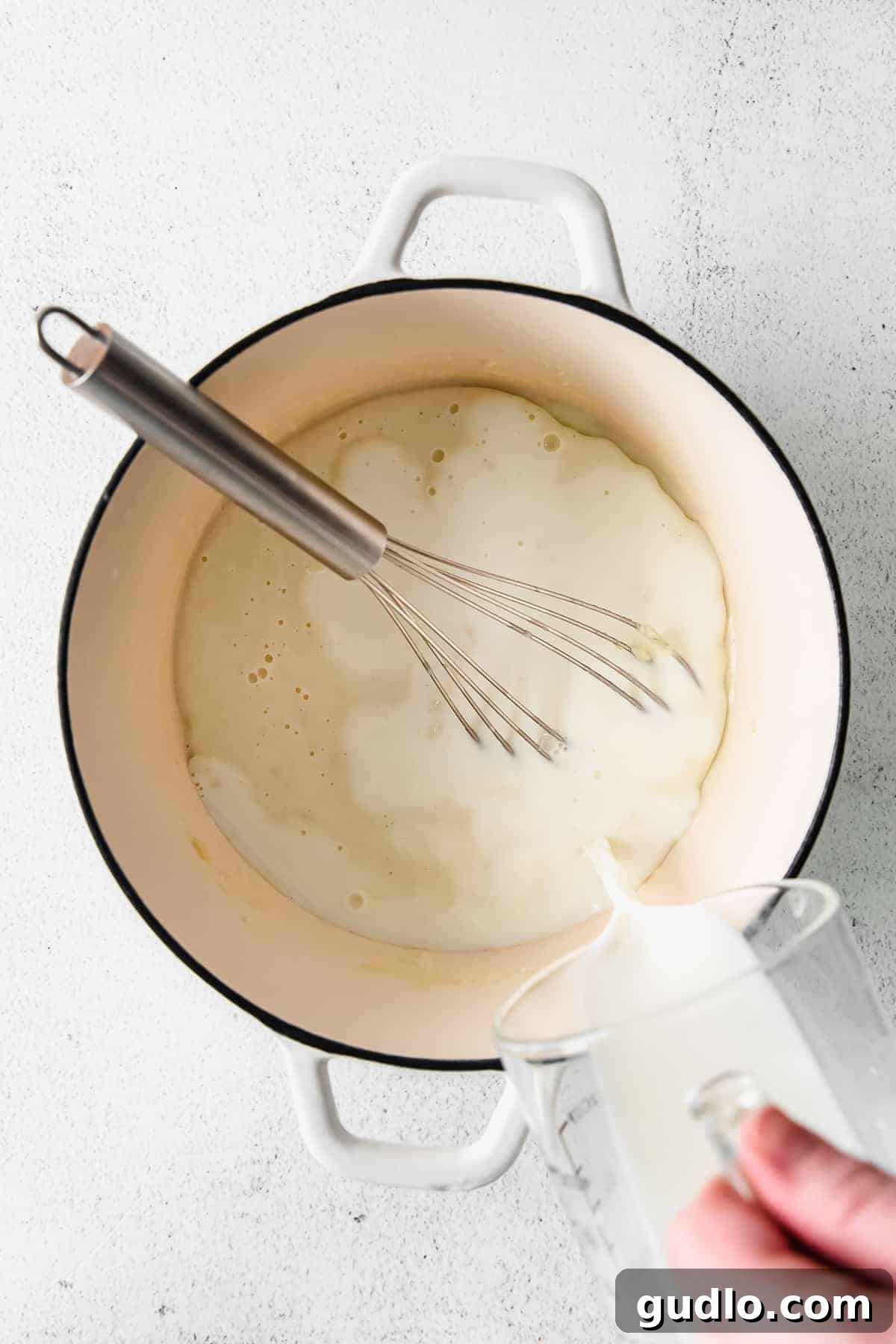
- Introduce the Flour: Once the butter is fully melted, sprinkle in an equal amount of all-purpose flour. Immediately begin whisking the two ingredients together vigorously. Continue to whisk constantly.
- Cook the Roux: Let the flour and butter mixture cook for 1-2 minutes, continuing to whisk. It will quickly form a thick paste. For pasta sauces, a “white roux” (cooked only until fragrant, without color) or a “blond roux” (cooked until light golden) is usually preferred, as darker rouxs have less thickening power and can impart a nutty flavor.
- Incorporate into Sauce: Once your roux is ready, gradually whisk it into your warm pasta sauce. Ensure your pasta sauce is warm, as adding a hot roux to a cold sauce can sometimes cause lumps.
- Simmer to Thicken: Bring the combined sauce and roux to a gentle simmer over medium-high heat, continuing to whisk occasionally. You’ll notice your sauce beginning to thicken almost immediately as it heats through and the starches in the flour activate.
- Adjust if Needed: If your sauce isn’t quite as thick as you desire after simmering for a few minutes, you can repeat the process with a smaller amount of butter and flour to create another small roux and whisk it in. Always remember to start with a modest amount, as you can always add more, but you can’t easily remove it.
A roux provides a stable, luxurious thickness that’s ideal for cheese sauces, creamy mushroom sauces, or any sauce where a rich mouthfeel is desired. The fat in the butter also contributes to the sauce’s overall flavor and richness.
Method 2: Starchy Pasta Water – The Chef’s Secret for Silky Sauces
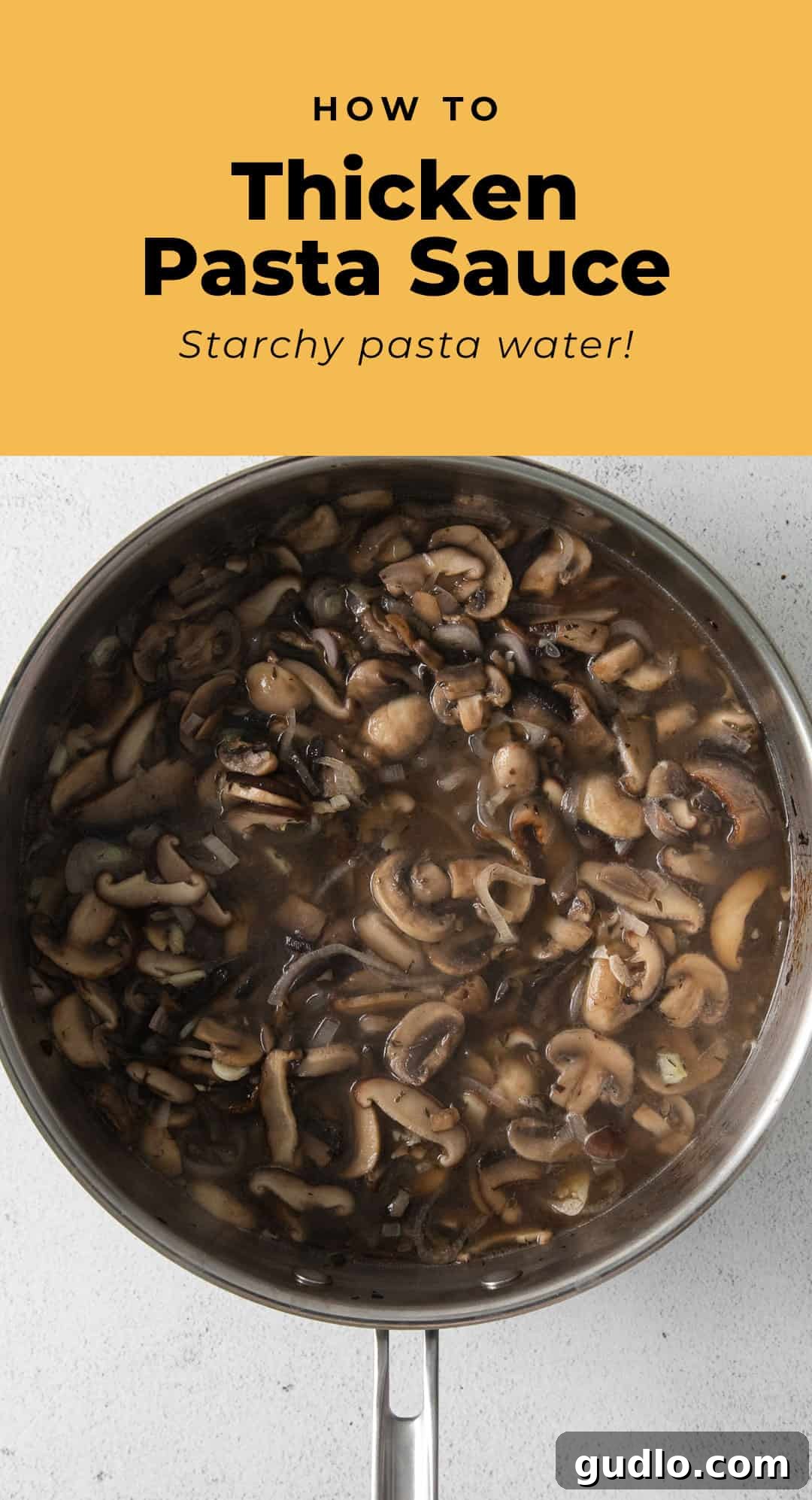
Often referred to as “liquid gold” by chefs, starchy pasta water is a truly magical ingredient when it comes to perfecting pasta sauces. It’s an often-overlooked secret that can elevate your dish without adding any extra fat or ingredients. The best part? It’s practically effortless to use, requiring little more than foresight.
So, what makes starchy pasta water so special? As pasta cooks, it releases starch into the cooking water. This starch acts as a natural emulsifier and thickening agent. When added to your sauce, it helps bind the fats and liquids, creating a beautifully silky, cohesive texture that coats every strand of pasta. It also contributes a subtle savory flavor from the pasta itself, adding depth without overpowering your sauce. This technique is particularly effective for lighter sauces, oil-based sauces, or even tomato-based sauces where you want to create a rich, emulsified finish rather than a heavy, flour-thickened one.
How to Use Starchy Pasta Water to Thicken Your Sauce
Making the most of this culinary secret is incredibly simple:
- Salting the Water: Begin by bringing a large pot of heavily salted water to a rolling boil. Remember, the pasta water should be “salty like the sea” – this not only seasons your pasta but also enhances the flavor of your sauce. Add your pasta and cook it according to package directions until it’s perfectly al dente.
- Reserving Pasta Water: This is the crucial step! Before you drain your pasta, carefully scoop out at least one cup of the cloudy, starchy pasta water using a heat-proof mug or ladle. It’s always a good idea to set aside more than you think you’ll need, just in case – you can always discard the excess, but you can’t get it back once the pasta is strained!
- Incorporating into Sauce: Once your pasta is drained, add about 1/4 cup of the reserved starchy pasta water to your pasta sauce.
- Simmer and Emulsify: Bring the pasta sauce to a gentle boil, stirring or whisking constantly. As the sauce simmers and heats, the starches in the water will activate, and you’ll notice your pasta sauce beginning to thicken and achieve a more cohesive, glossy consistency. The starch helps to emulsify the sauce, binding all the ingredients together beautifully.
- Adjust Consistency: If your sauce isn’t quite thick enough, add more starchy pasta water, one tablespoon at a time, until you reach your desired consistency. Continue to simmer gently after each addition to allow the starches to work their magic.
This method is fantastic in dishes like my cream cheese pasta sauce or garlic parmesan pasta, where a light yet rich sauce is desired. It’s a natural way to create that restaurant-quality finish that makes pasta dishes so irresistible.
Explore More Delicious Pasta Recipes
How to Make Box Mac and Cheese Better
Best Mac and Cheese Sauce
Easy Cheese Pasta
Easy Alfredo Sauce (with Cream Cheese)
Baked Ziti
Method 3: Make a Cornstarch Slurry for a Quick & Clear Thickener
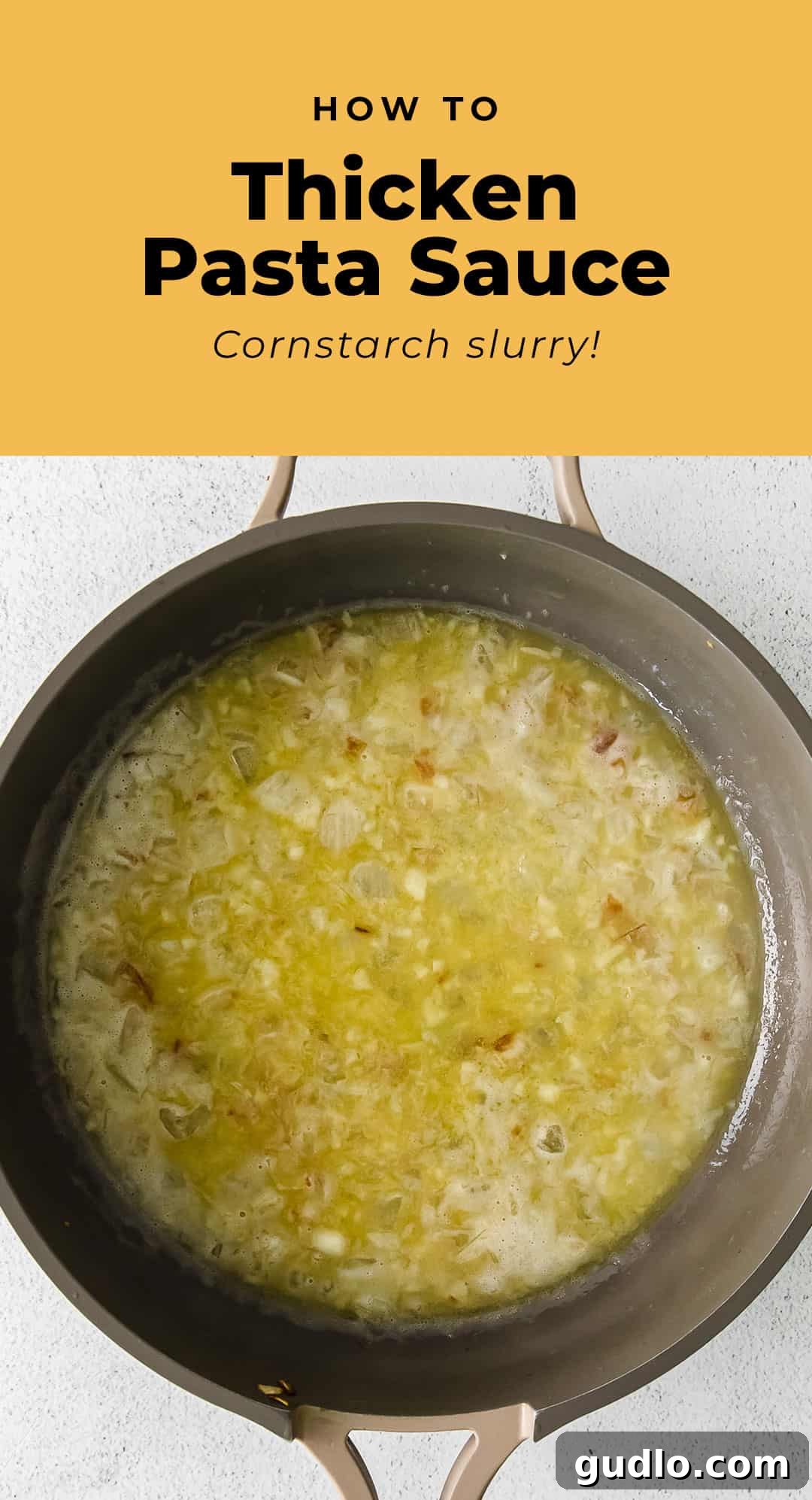
When you need a quick and potent thickening solution that won’t add any opaqueness or significant flavor to your pasta sauce, a cornstarch slurry is an excellent choice. Cornstarch is a pure starch, meaning it has twice the thickening power of flour. It works by absorbing liquid and swelling when heated, creating a noticeably thicker consistency almost instantly. This method is particularly useful for sauces where you want to maintain clarity, such as certain gravies, fruit sauces, or Asian-inspired dishes.
Generally, for a cornstarch slurry, you’ll want to use a 2:1 ratio of cold water to cornstarch (for example, 2 tablespoons of cold water to 1 tablespoon of cornstarch). The key is to dissolve the cornstarch in cold liquid first to prevent clumping before adding it to your hot sauce. The thickening action of cornstarch is activated by heat, so you’ll see results quickly once the sauce comes to a simmer.
I find a cornstarch slurry to be especially effective in pasta sauces with strong, vibrant flavors that I don’t want to dilute or alter with butter or flour. This includes Asian-inspired pasta dishes, robust tomato sauces, or even a savory mushroom pasta sauce. Why? Because while powerful, cornstarch can sometimes impart a slightly “starchy” flavor if overused, or if it isn’t fully cooked out. In a boldly flavored sauce, this is less noticeable. Also, a slurry provides a slightly glossier finish compared to a flour-based roux.
Pro Tip: Always make a slurry rather than adding dry cornstarch directly to your pasta sauce. This crucial step ensures the cornstarch dissolves evenly, preventing unsightly and unappetizing clumps in your beautifully prepared sauce.
How to Prepare and Use a Cornstarch Slurry
Follow these straightforward steps for a perfectly thickened sauce:
- Prepare the Slurry: In a small bowl, combine cold water and cornstarch, typically using a 2:1 water-to-cornstarch ratio (e.g., 2 tablespoons water to 1 tablespoon cornstarch). Whisk the two ingredients together thoroughly until the cornstarch is completely dissolved and no lumps remain. It should look like a milky liquid.
- Incorporate into Sauce: Gradually whisk the cornstarch slurry into your simmering pasta sauce. It’s important that your pasta sauce is warm and actively simmering for the cornstarch to activate properly.
- Simmer to Thicken: Continue to gently simmer the sauce, stirring constantly, until it reaches your desired thickness. The sauce should thicken very quickly, usually within a minute or two, as the cornstarch molecules hydrate and swell. Be careful not to boil too vigorously after adding the slurry, as excessive heat can sometimes break down the starch and cause the sauce to thin again.
- Adjust and Taste: If the sauce isn’t thick enough, prepare another small slurry and add it in, a little at a time, until you achieve the perfect consistency. Remember to cook the sauce for at least one minute after it thickens to ensure the cornstarch flavor is fully cooked out.
A cornstarch slurry is an excellent emergency thickening agent and a staple for many types of sauces where clarity and quick action are priorities.
Troubleshooting: Why Isn’t My Pasta Sauce Thick?
Even when you meticulously follow a recipe, a watery pasta sauce can occasionally catch you off guard. Understanding the common culprits behind a thin sauce can help you prevent the issue in the first place and quickly identify the best thickening method to apply. Here are some of the most frequent reasons your pasta sauce might not be as thick as you desire:
1. Excessive Moisture from Vegetables: Many vegetables, especially fresh ones like zucchini, mushrooms, bell peppers, or even fresh tomatoes, contain a high percentage of water. When cooked down, they release this liquid, which can thin out your sauce. If you don’t allow these vegetables to sufficiently release and evaporate their moisture before adding other liquids, you’ll inevitably end up with extra liquid in your finished sauce.
Solution: Sauté vegetables longer and over higher heat before adding other ingredients, allowing their moisture to cook off and concentrate their flavors.
2. Insufficient Simmering and Reduction: One of the simplest and most natural ways to thicken a sauce is through reduction. Simmering allows excess water to evaporate, concentrating flavors and naturally thickening the sauce. If you’re in a hurry and don’t allow your pasta sauce enough time to gently simmer and reduce, it will remain thin.
Solution: Give your sauce time! Let it simmer uncovered over low to medium heat for 15-30 minutes, or even longer, depending on the volume. Stir occasionally to prevent sticking.
3. Too Many Liquid-Based Ingredients: Sometimes, in an effort to enhance flavor or volume, we can be a bit heavy-handed with liquid additions. Using excessive amounts of oil, broth, wine, cream, or plain water without accounting for their volume can lead to a sauce that’s simply too dilute to thicken on its own.
Solution: Be mindful of your liquid measurements. If you’re improvising, add liquids gradually and allow the sauce to simmer and reduce before adding more. Prioritize flavor concentration over sheer volume.
4. Using Pre-made, Naturally Thin Sauces: Some store-bought pasta sauces are designed to be quite thin. While convenient, they might require a little extra help to achieve a restaurant-style consistency.
Solution: Apply one of our thickening methods or simmer the sauce uncovered for longer to reduce it.
5. Overcooking the Pasta: While not directly related to the sauce’s thickness, overcooked pasta absorbs more sauce and can make the dish *seem* thinner as the pasta becomes mushier. Aim for al dente for the best texture and sauce adherence.
Beyond the Basics: Additional Tips for a Hearty Pasta Sauce
- Add Tomato Paste: For red sauces, a tablespoon or two of tomato paste can add tremendous body, color, and a concentrated tomato flavor without adding much liquid.
- Grated Parmesan or Pecorino Cheese: Stirring in finely grated hard cheeses like Parmesan or Pecorino not only boosts flavor but also adds a creamy richness that can subtly thicken the sauce. The fats and proteins in the cheese help bind the sauce.
- Purée Some Ingredients: If your sauce is vegetable-heavy, puréeing a portion of the cooked vegetables (like roasted peppers, carrots, or even some of the tomatoes) can naturally thicken the sauce and add a smooth texture.
- Use Good Quality Pasta: High-quality pasta, especially bronze-die extruded varieties, often has a rougher surface that clings to sauce better, making the dish feel richer even with a slightly thinner sauce.
More of our Favorite…
Delicious Pasta Recipes to Inspire You
- Cheesy Baked Pasta Recipes
- Instant Pot Chicken Bacon Ranch Pasta
- Lemon Garlic Pasta
- Copycat Panera Mac and Cheese
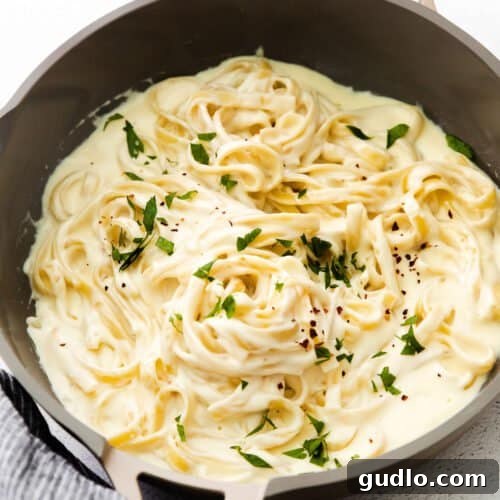
How to Thicken Pasta Sauce (3 Ways)
Ingredients
For the Roux
- 1/4 cup unsalted butter
- 1/4 cup all-purpose flour
For the Cornstarch Slurry
- ¼ cup cold water
- 2 teaspoons cornstarch
For Starchy Pasta Water
- ¼ – 1 cup starchy pasta water (reserved from cooking pasta)
Instructions
Roux Method
- Prepare a roux in a separate saucepan.
- Heat a small saucepan over medium heat. Add the butter and let it melt.
- When the butter is melted, add the flour to the saucepan and whisk the two ingredients together constantly.
- Cook the roux for 1-2 minutes until a paste forms and it smells slightly nutty (for a blond roux) or just cooked (for a white roux).
- Whisk the prepared roux into your warm pasta sauce.
- Bring the pasta sauce to a gentle simmer over medium-high heat. The pasta sauce should begin to thicken quickly as the starches activate.
- If the pasta sauce isn’t as thick as you’d like, you can repeat steps 1-5 with a smaller batch of roux.
Cornstarch Slurry Method
- Add ¼ cup cold water to a small bowl and add cornstarch to the water.
- Whisk the two ingredients together thoroughly until the cornstarch is completely dissolved and the mixture is smooth.
- Whisk the cornstarch slurry into your warm pasta sauce while it is simmering.
- Bring the pasta sauce to a gentle simmer, continuing to stir. The pasta sauce should thicken quickly, typically within 1-2 minutes.
- If the pasta sauce isn’t as thick as you would like, prepare another small slurry and repeat steps 1-4, adding it gradually.
Starchy Pasta Water Method
- When cooking pasta for your pasta sauce, remove 1 cup of starchy pasta water from the pot just before straining the pasta.
- To thicken the pasta sauce, begin by adding ¼ cup of the reserved starchy pasta water to your pasta sauce.
- Whisk the starchy pasta water into the pasta sauce and bring it to a gentle simmer.
- The pasta sauce should gradually begin to thicken and emulsify, creating a glossy finish.
- If the sauce isn’t as thick as you would like, add 1 tablespoon more of starchy pasta water to the sauce at a time, continuing to simmer, until the pasta sauce reaches your desired consistency.
Tips & Notes
- Always start with a small amount of thickener and add more if needed. It’s easier to add than to correct an overly thick sauce.
- Ensure your sauces are warm or simmering when adding thickeners for best results and to prevent lumps.
- The nutrition information provided below is specifically for a single serving of the roux ingredients.
Nutrition (for Roux ingredients only)
, Carbohydrates: 6 g
, Protein: 1 g
, Fat: 11 g
, Fiber: 0 g
, Sugar: 0 g
Nutrition information is automatically calculated and should only be used as an approximation. Actual values may vary.
Don’t forget to tag your posts on social media with the hashtag #cheeseknees. We’d love to see your perfectly thickened pasta sauces!