
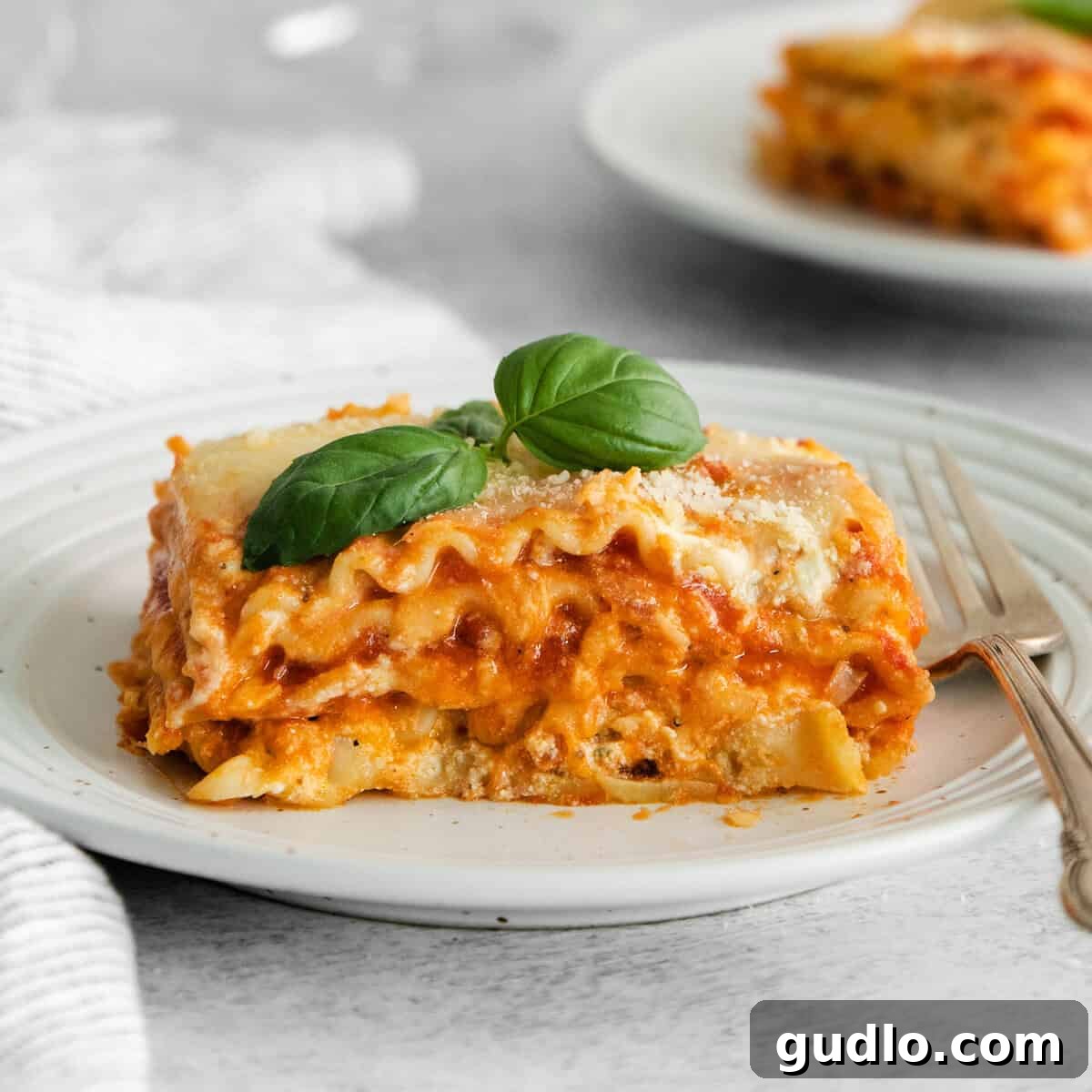
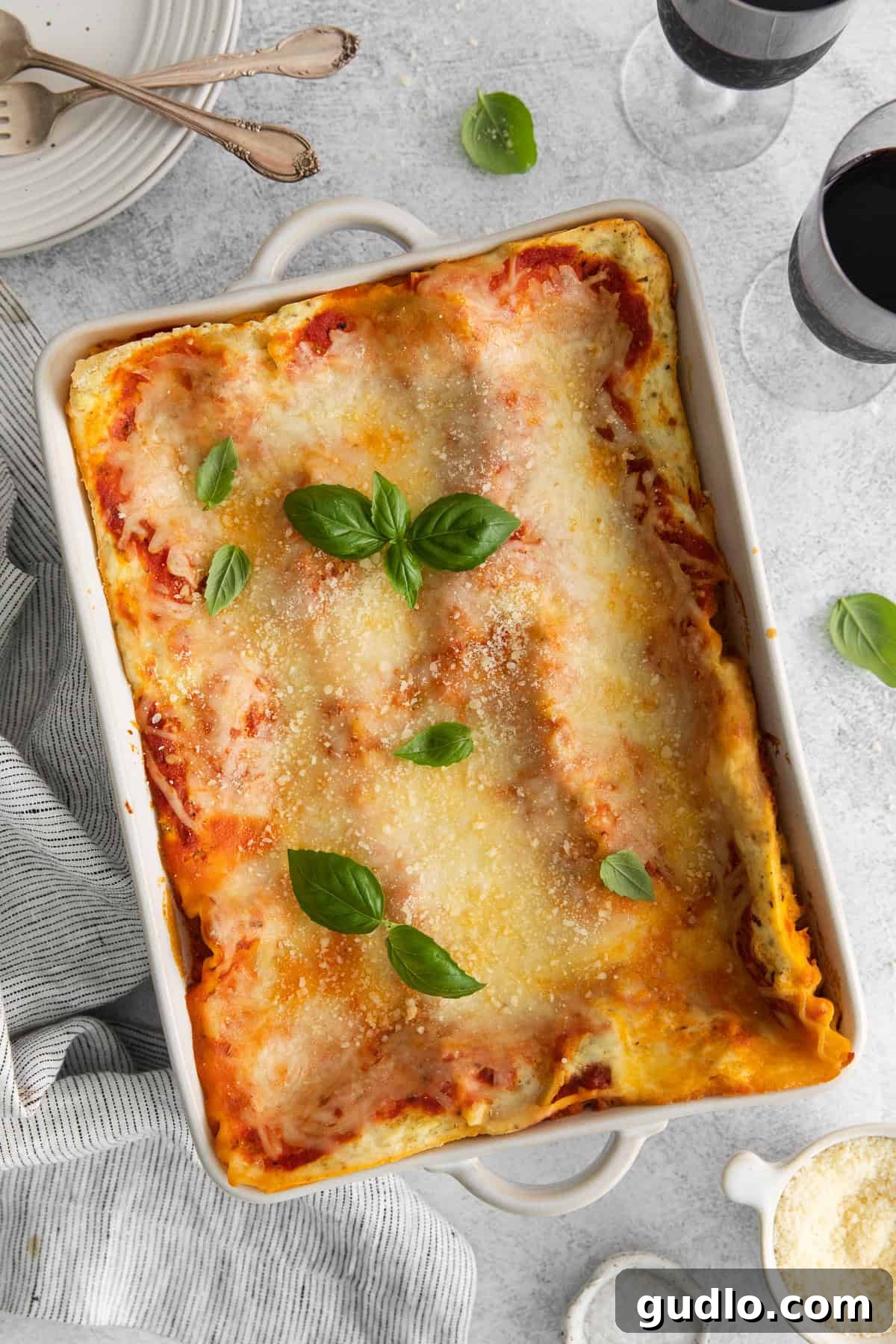
There’s nothing quite like a slice of warm, bubbly lasagna, especially when it’s loaded with layers of rich, melted cheese. This classic cheese lasagna recipe is designed to be your go-to guide for creating the ultimate comfort food right in your own kitchen. We believe in the power of simplicity, especially when it comes to Italian classics. Our recipe champions three distinct cheeses – creamy ricotta, gooey mozzarella, and sharp Parmesan – harmonizing beautifully with a robust red marinara sauce. It’s a truly foundational lasagna, perfect for both beginners and seasoned cooks alike.
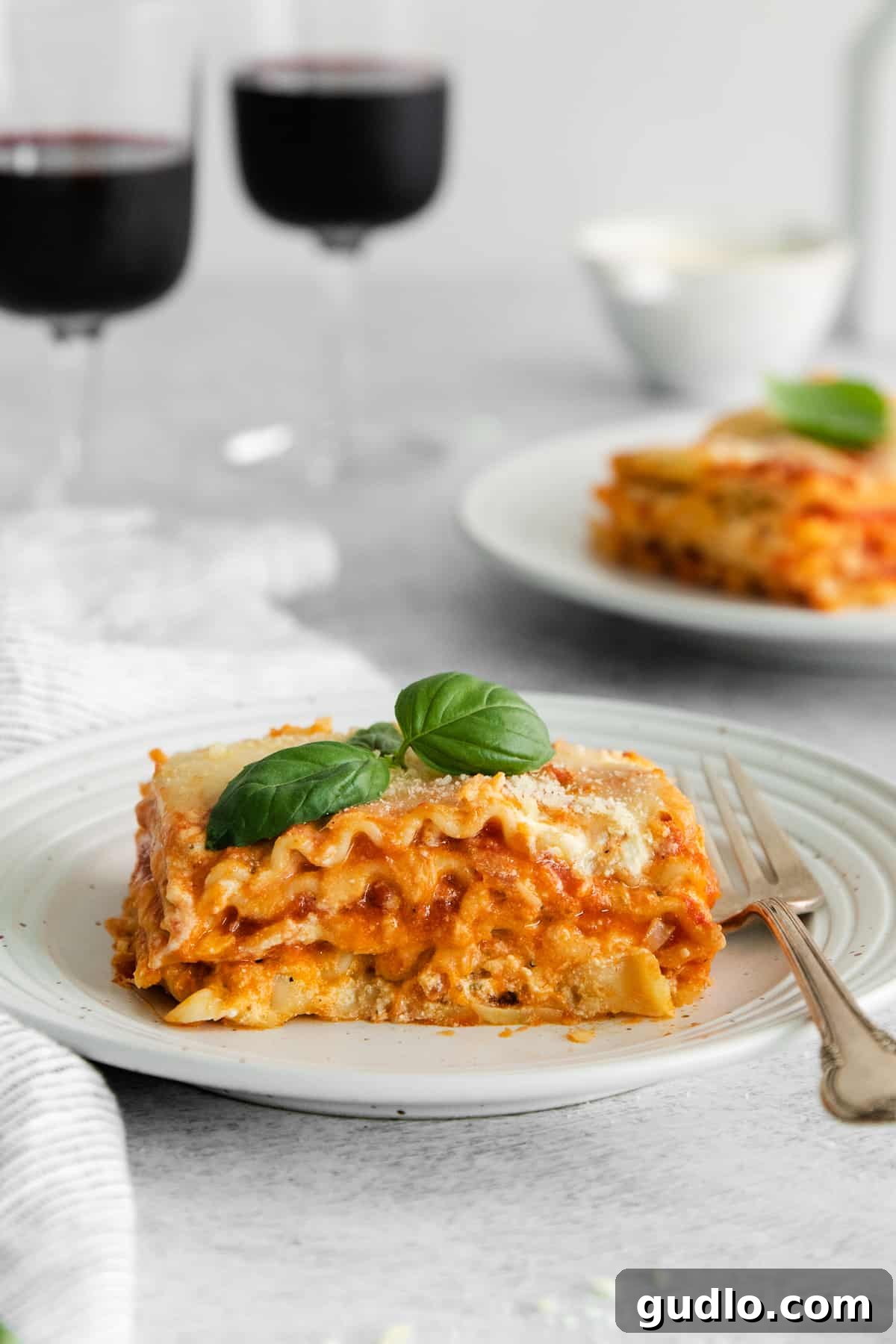
When it comes to crafting exceptional lasagna, we pride ourselves on a meticulous approach. Rosie, our resident classically trained chef and cheesemonger, meticulously developed this recipe. She stands by its elegantly simple ingredient list and the transformative effect of using not just one, but three incredible cheeses. This carefully balanced combination ensures every forkful delivers a symphony of textures and flavors.
The process is straightforward: begin by layering perfectly cooked lasagna noodles, followed by a creamy ricotta mixture, generous portions of shredded mozzarella, and your favorite marinara sauce. Once assembled, bake until golden and bubbly for about 45 minutes, then allow it to rest before serving. This resting period is crucial for the layers to set, making for cleaner slices and an even more enjoyable experience.
What Makes This Three-Cheese Lasagna So Irresistible?
Our classic cheese lasagna is a celebration of flavor and texture, rooted in a few key ingredients that deliver maximum impact with minimal fuss. The secret lies in selecting quality components and understanding how each contributes to the final masterpiece.
Essential Ingredients for the Perfect Cheese Lasagna
- Lasagna Noodles: For this authentic recipe, stick to traditional, boil-then-layer lasagna noodles. While no-boil versions offer convenience, classic noodles provide a superior texture and absorb the sauce more effectively, resulting in a richer, more cohesive lasagna. Remember to cook them al dente, as they will continue to soften during baking.
- Eggs: Incorporated into the ricotta cheese mixture, eggs act as a vital binder. They help create a stable, creamy layer that holds its shape beautifully when sliced, preventing the cheese from oozing out and ensuring every bite is perfectly balanced.
- Marinara Sauce: To keep this recipe accessible and efficient, we recommend a high-quality store-bought marinara or your favorite ready-made pasta sauce. Opt for a brand with rich, natural tomato flavors to complement the cheeses without overpowering them. Of course, if you have a cherished homemade tomato sauce recipe, feel free to substitute it for an even more personalized touch!
- Three Types of Cheese: This is where the magic truly happens! We use:
- Ricotta Cheese: The foundation of the creamy layers, providing moisture and a delicate, milky flavor. For the best results, use whole milk ricotta for extra richness and a smoother texture.
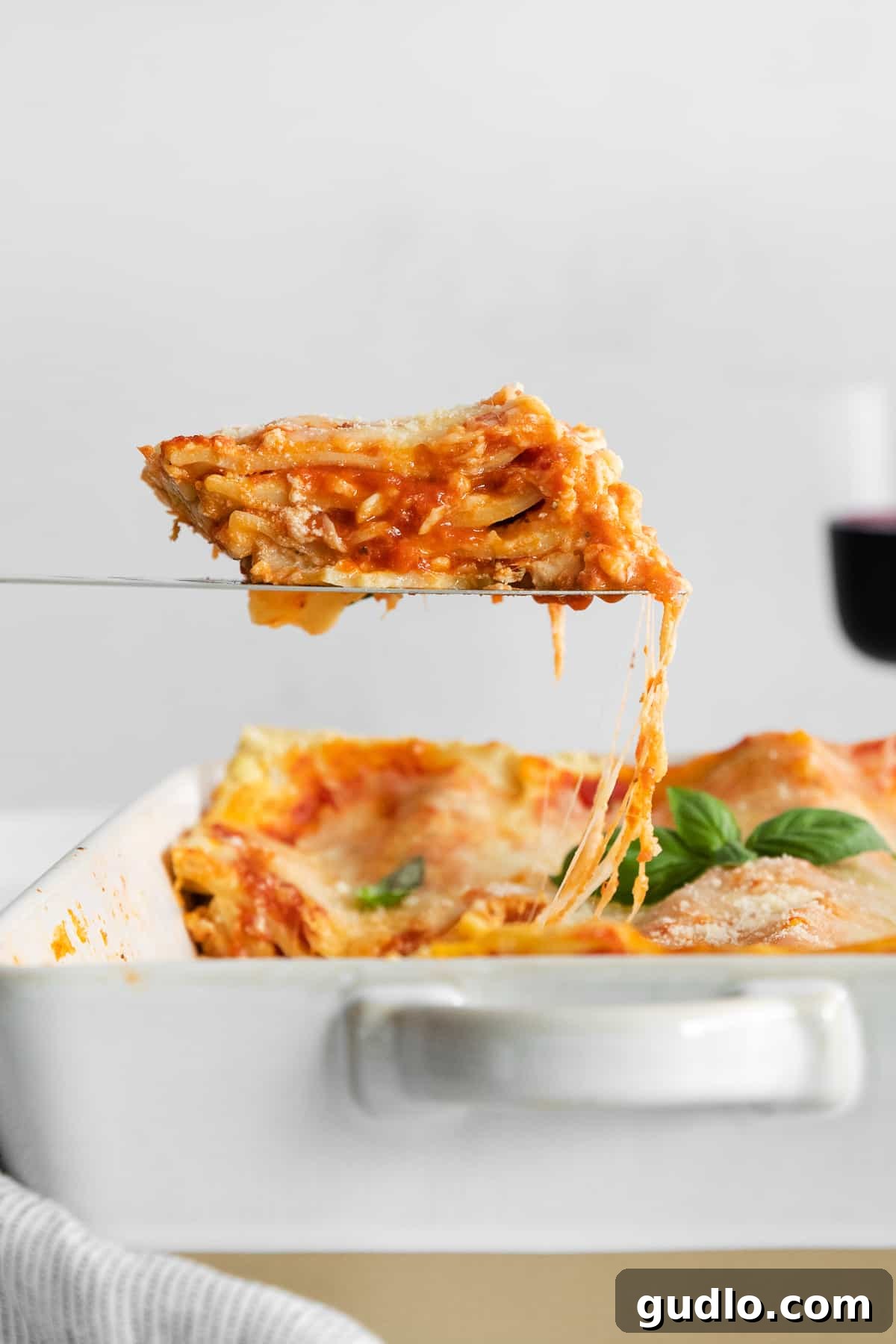
- Mozzarella Cheese: Essential for that signature stretchy, melty texture. Shredded mozzarella disperses evenly throughout the layers, creating satisfying cheese pulls with every serving.
- Parmesan Cheese: A hard, salty cheese that adds a sharp, umami depth. Grated Parmesan is mixed into the ricotta and sprinkled generously between layers for an irresistible savory kick that balances the other milder cheeses.
- Spices: Simple yet impactful, our spice blend enhances the overall flavor profile. You’ll need Italian seasoning (a fragrant mix of basil, oregano, thyme, and rosemary), salt, and black pepper. These seasonings infuse the ricotta and sauce with classic Italian aromas, elevating the entire dish.
Choosing the Best Cheese for Your Lasagna
While ricotta, mozzarella, and Parmesan form the classic trio, the world of cheese offers exciting possibilities for customizing your lasagna. These cheeses are chosen for their complementary textures and flavors: ricotta for creaminess, mozzarella for melt, and Parmesan for sharpness.
Popular and Alternative Lasagna Cheeses:
- Ricotta Cheese: The quintessential creamy layer. Its delicate flavor and moist texture are indispensable.
- Mozzarella Cheese: Provides the stretchy, bubbly top and binds layers together. Fresh mozzarella can also be used for an even creamier, richer experience, though standard shredded low-moisture mozzarella works perfectly.
- Parmesan Cheese: Adds a salty, nutty, and savory punch. Always opt for freshly grated Parmesan for the best flavor.
- Cottage Cheese: A popular substitute for ricotta, offering a similar creaminess but with a slightly tangier flavor and often a coarser texture.
- Asiago: A semi-hard cheese from Italy with a nutty, slightly sharp flavor that can replace or complement Parmesan.
- Romano: A hard, salty Italian cheese, often sharper and more pungent than Parmesan, making it an excellent choice for a bolder flavor.
- Provolone: Can be layered in thin slices for an extra mild, buttery, and meltable component.
- Fontina: Offers a rich, nutty, and earthy flavor with excellent melting properties.
Creative Variations for Your Cheese Lasagna
This classic cheese lasagna recipe is incredibly versatile, serving as a perfect canvas for culinary creativity. Feel free to adapt it to your dietary needs or flavor preferences with these simple variations:
Make it Gluten-Free: Easily transform this into a gluten-free dish by swapping traditional lasagna noodles for a high-quality gluten-free alternative. Ensure your chosen noodles are designed for baking and follow package instructions carefully for best results.
Add a Hearty Ground Meat: For a more substantial, classic meat lasagna, lightly sauté a pound of ground beef, pork, Italian sausage, or a mixture of your preferred ground meats. Drain any excess fat, then stir the cooked meat into your marinara sauce before layering. This adds incredible depth and savory flavor.
Incorporate Vegetables: Boost the nutrition and texture by adding a layer of cooked vegetables. Sautéed spinach (ensure it’s well-drained), roasted mushrooms, diced zucchini, or bell peppers make fantastic additions. Layer them alongside or within your marinara sauce.
Spice It Up: For those who love a bit of heat, mix a pinch of red pepper flakes into your ricotta mixture or sprinkle them over the marinara sauce layers. A touch of smoked paprika can also add a delightful smoky depth.
Frequently Asked Questions About Cheese Lasagna
The most popular and traditional cheeses used in lasagna are ricotta cheese for its creamy texture, mozzarella cheese for its meltiness and stretch, and Parmesan cheese for its sharp, savory depth and flavor. This trio creates a perfectly balanced and incredibly delicious cheese profile.
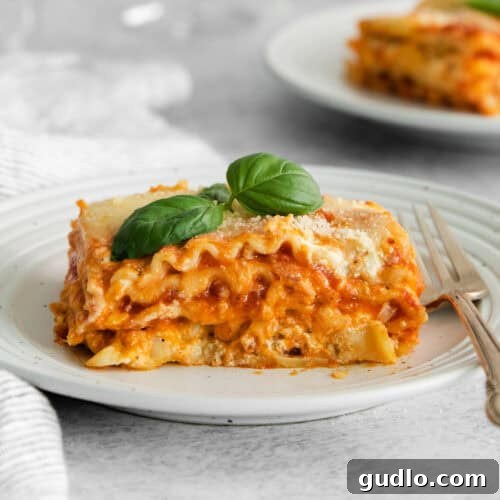
Typically, a classic lasagna has at least three layers of noodles, alternating with layers of sauce and cheese. However, the exact number can vary depending on the size and depth of your baking pan. You can comfortably build anywhere from 3 to 5 layers of noodles, ensuring each layer is adequately covered with sauce and cheese for optimal flavor and structure.
Yes, eggs are commonly used in the ricotta cheese mixture for lasagna. They serve as a crucial binding agent, helping to hold the cheese layer together during baking and when slicing, preventing it from becoming too runny. This ensures your lasagna maintains its beautiful, distinct layers.
Ricotta cheese is more traditional and widely used in Italian-American lasagna recipes, offering a smoother, creamier texture and a milder, sweeter flavor. Cottage cheese can be used as a substitute; it provides a similar moisture content but typically has a tangier taste and a curdy, coarser texture. Both are delicious, so the choice often comes down to personal preference.
Absolutely! Lasagna is an excellent make-ahead meal. You can assemble the entire lasagna up to 24 hours in advance, cover it tightly with plastic wrap or foil, and refrigerate. When ready to bake, remove it from the fridge 30 minutes to an hour beforehand to bring it closer to room temperature, then bake as directed, potentially adding a few extra minutes to the baking time.
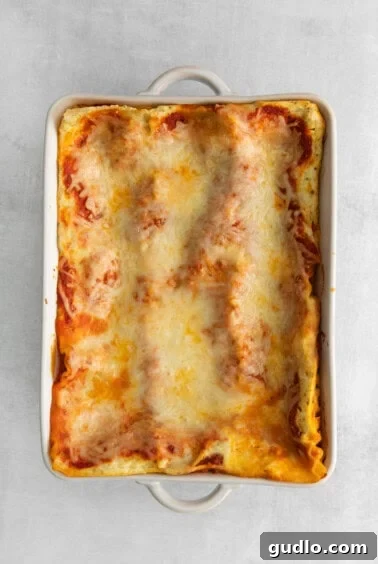
Your lasagna is fully cooked when the edges are bubbling vigorously, the top is golden brown and appears set, and a knife inserted into the center comes out hot. If the top browns too quickly, you can loosely cover it with foil for the remainder of the baking time.
Storage Tips for Leftover Lasagna
Proper storage ensures your delicious homemade lasagna stays fresh and enjoyable for days. Once cooled, store any leftover lasagna in an airtight container in the refrigerator. It will keep wonderfully for up to 3-5 days, making it an ideal candidate for easy meal prep throughout the week.
How to Freeze Lasagna for Later
Lasagna freezes exceptionally well, making it a fantastic dish for future meals or to share with loved ones. For optimal freezing and reheating convenience, we highly recommend assembling and baking your lasagna in a disposable aluminum pan.
- Cook as Directed: Prepare and bake the lasagna according to the recipe instructions until it is fully cooked and bubbly.
- Cool Completely: This is a crucial step! Allow the lasagna to cool completely to room temperature before freezing. Freezing hot or warm lasagna can lead to ice crystals and a soggy texture when reheated.
- Wrap Tightly: Once cooled, cover the disposable pan with a layer of plastic wrap, ensuring it’s sealed tightly against the lasagna’s surface. Then, add a layer of heavy-duty aluminum foil over the plastic wrap, pressing down to seal it completely. This double layer prevents freezer burn.
- Freeze: Label with the date and freeze for up to 3 months.
To reheat frozen lasagna: For best results, thaw the lasagna completely overnight in the refrigerator. Once thawed, remove the plastic wrap and foil, then reheat in a preheated oven at 350ºF (175ºC) for about 20-30 minutes, or until the center is hot and bubbly. If reheating from frozen (not recommended for best texture, but possible), it may take 1 to 1.5 hours, covered, then uncovered for the last 15-20 minutes.
Discover More of Our Favorite…
Delicious Lasagna Recipes
If you love this classic cheese lasagna, be sure to explore our other beloved lasagna creations:
- Bechamel Lasagna: A rich, creamy alternative to red sauce.
- Kale Lasagna Roll-Ups: Individual portions packed with greens.
- Chicken Alfredo Lasagna: A comforting white sauce lasagna with tender chicken.
- Classic Meat Lasagna: The hearty version with savory ground meat.
- Lasagna Soup: All the flavors of lasagna in a comforting bowl of soup.
How to Serve Your Perfect Cheese Lasagna
This classic cheese lasagna is a meal in itself, but it truly shines when paired with a few complementary sides. We adore serving it piping hot, garnished with an extra sprinkle of grated Parmesan cheese and a dash of red pepper flakes for a subtle kick. For a complete Italian-inspired feast, consider these delightful accompaniments:
- Garlic Bread or Knots: A simple yet essential pairing. Our Parmesan garlic knots are perfect for soaking up any extra sauce.
- Fresh Green Salad: A light, crisp salad with a tangy vinaigrette offers a refreshing contrast to the richness of the lasagna.
- Lemon Orzo Salad: For a vibrant and zesty side, our lemon orzo salad with goat cheese adds a bright, Mediterranean touch.
- Steamed Vegetables: Simple steamed broccoli, asparagus, or green beans provide a healthy and easy side.
- Wine Pairing: A medium-bodied red wine like Chianti, Sangiovese, or Merlot would beautifully complement the rich tomato sauce and cheeses.
Cheese Lasagna Recipe
This classic cheese lasagna recipe is incredibly easy to make at home. Featuring creamy ricotta, melty mozzarella, and savory Parmesan, it requires less than 10 main ingredients for a truly satisfying meal.
Rating: 5 out of 5 stars (Based on 1 vote)
By: Rosie Lodien
Prep Time: 20 mins
Cook Time: 55 mins
Total Time: 1 hr 15 mins
Servings: 9
Ingredients
- 9 lasagna noodles (traditional, not no-boil)
- 15 oz. whole milk ricotta cheese (~2 cups)
- 2 large eggs
- 3 oz. grated Parmesan cheese, divided (~1 cup)
- 1 tablespoon Italian seasoning
- 1 teaspoon salt
- 1 teaspoon ground black pepper
- 24 oz. marinara sauce or your favorite pasta sauce, divided
- 12 oz. shredded mozzarella cheese, divided (~3 cups)
Instructions
- Prepare Noodles: Cook the lasagna noodles according to package directions until al dente. Once cooked, drain them and immediately run under cold water to prevent sticking. Set aside.
- Preheat Oven & Prepare Pan: Preheat your oven to 350ºF (175ºC). Lightly spray a 9×13-inch baking pan with cooking spray and set aside.
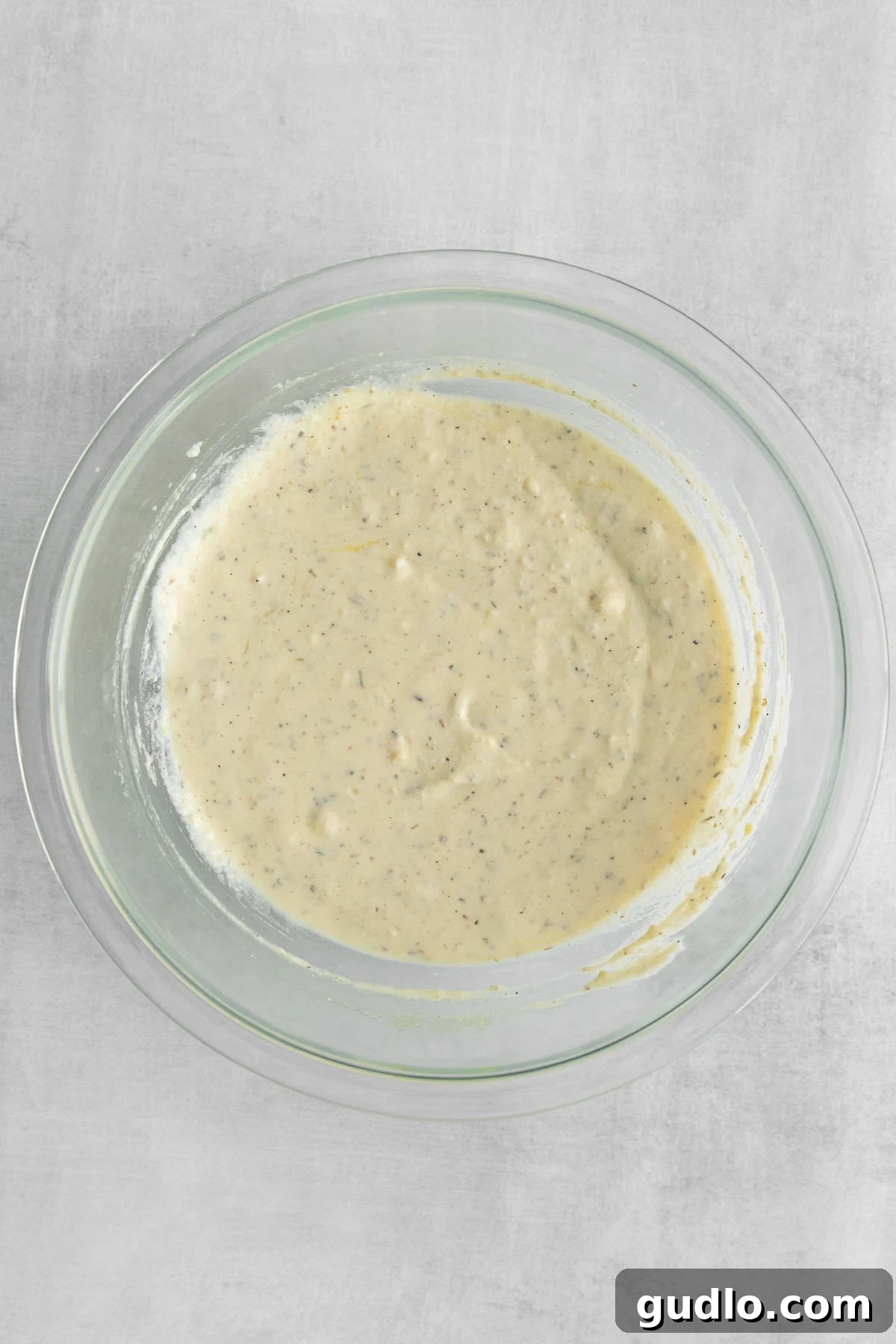
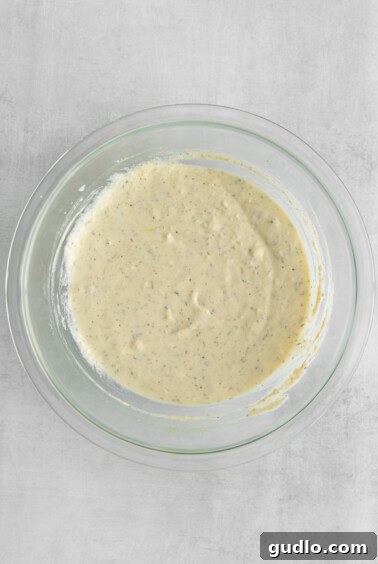
- Make Ricotta Mixture: In a medium-sized bowl, combine the whole milk ricotta cheese, eggs, ½ cup of the grated Parmesan cheese, Italian seasoning, salt, and ground black pepper. Mix well until all ingredients are thoroughly combined and creamy. Set aside.

- Assemble Lasagna: Begin assembling your lasagna in the prepared 9×13-inch pan. Start with a thin layer of marinara sauce on the bottom of the pan to prevent noodles from sticking. Then, layer with:
- Noodles (typically 3 noodles for the bottom layer)
- Half of the ricotta mixture, spread evenly
- One-third of the shredded mozzarella cheese
- One-third of the marinara sauce
Repeat these layers (noodles, ricotta, mozzarella, sauce) one more time.
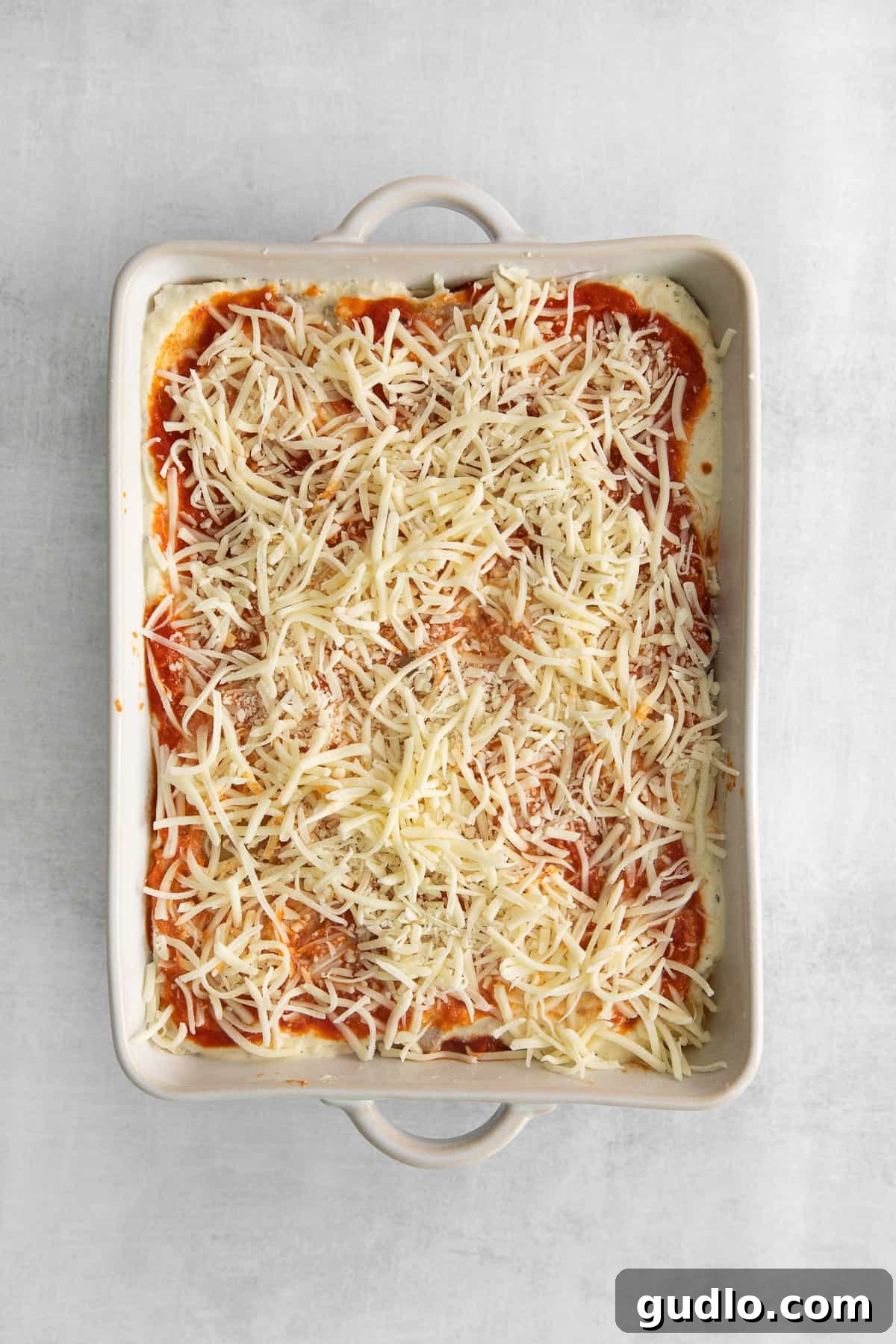
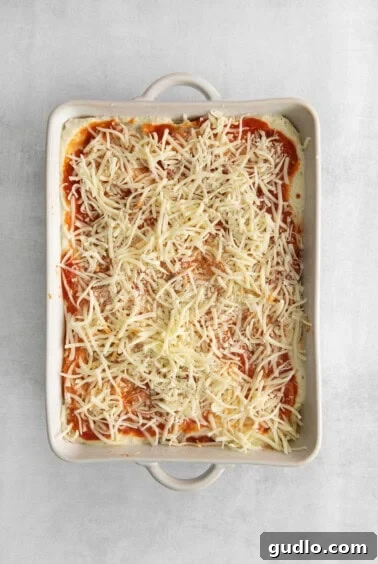
For the final layer, place noodles, cover with the remaining marinara sauce, and top generously with the remaining shredded mozzarella cheese and the remaining Parmesan cheese.
- Bake: Cover the pan tightly with aluminum foil. Bake for 45 minutes.
- Rest & Serve: After 45 minutes, remove the foil and continue baking for another 10-15 minutes, or until the cheese is melted, bubbly, and lightly golden brown on top. Let the lasagna rest for at least 10 minutes before slicing and serving. This allows the layers to set, making it easier to cut clean portions.
Tips & Notes
- Always ensure your Italian seasoning blend has salt in it. If you’re using a salt-free blend, consider adding an additional teaspoon of salt to the ricotta mixture for balanced seasoning.
- Do not overcook the noodles; they will continue to cook in the oven. Al dente is key!
- For extra richness, you can add a tablespoon of olive oil to the pasta water when boiling noodles to prevent sticking and add flavor.
- Ensure your ricotta cheese is well-drained. Excess moisture can make the lasagna watery. You can place it in a fine-mesh sieve for 15-30 minutes if it seems overly wet.
Nutrition Information
Calories: 373 kcal
Carbohydrates: 29 g
Protein: 22 g
Fat: 19 g
Fiber: 2 g
Sugar: 4 g
Nutrition information is automatically calculated and should be used as an approximation.
Loved this recipe? Share your thoughts below!
We’d love to hear about your experience making this classic cheese lasagna. Don’t forget to tag your culinary creations on social media with the hashtag #cheeseknees so we can admire your delicious results!