

Welcome to the ultimate guide to cream cheese! Discover everything you need to know about this soft, mild, and incredibly versatile dairy delight. Get inspired with our best cream cheese recipes – both sweet and savory – and learn how this humble ingredient can transform your cooking and baking.
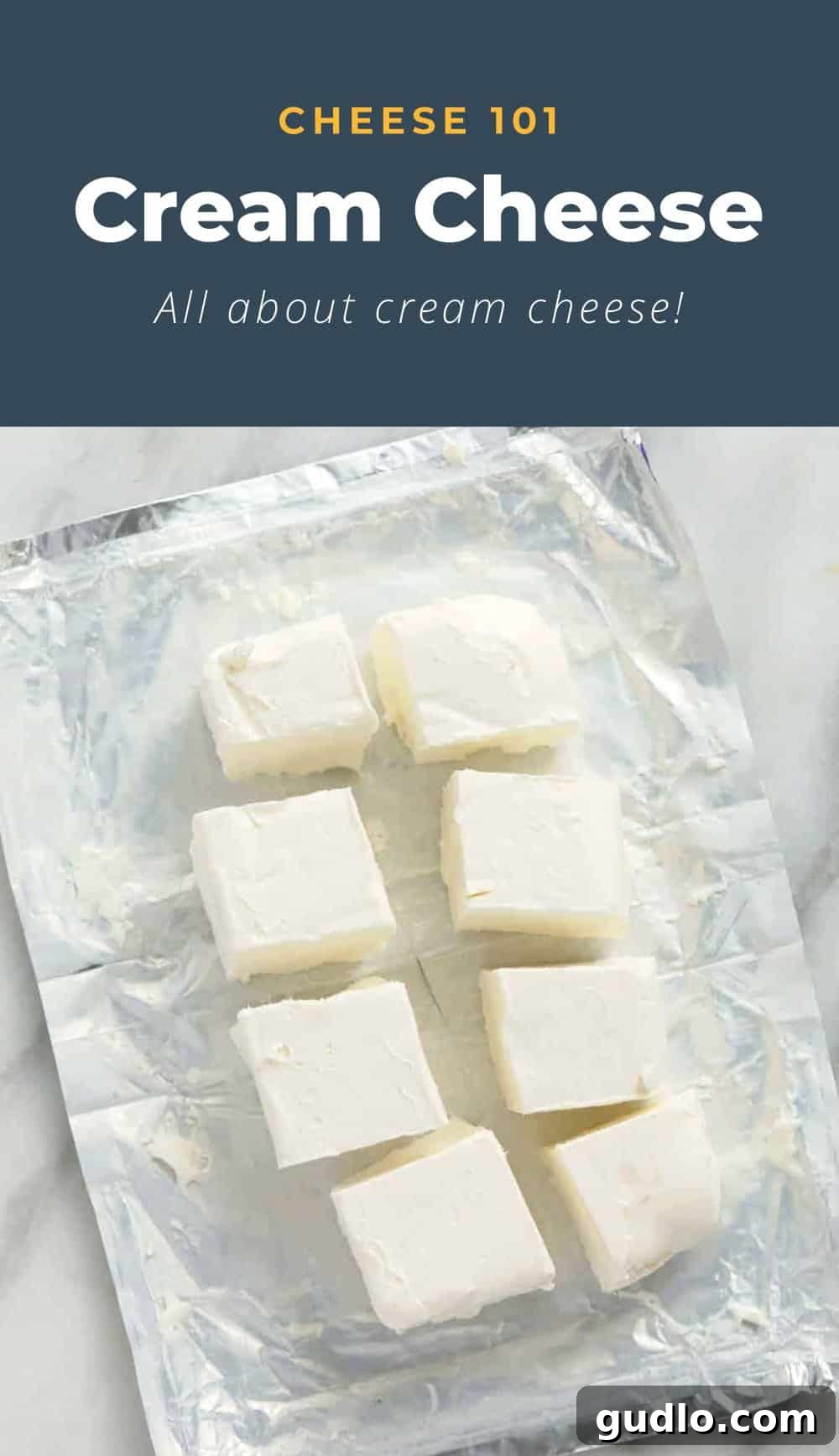
What is Cream Cheese? A Culinary Staple Unpacked
Cream cheese is a delectable, fresh, and soft cheese crafted primarily from a blend of milk and cream. Unlike many aged cheeses that develop complex flavors over time, cream cheese is intended to be enjoyed fresh, characterized by its remarkably smooth, creamy, and spreadable texture. Its mild flavor is delicately balanced with a slight tang, making it an extraordinarily adaptable ingredient that seamlessly integrates into a vast array of sweet and savory culinary creations.
The Rich History and Evolution of Cream Cheese
While various forms of fresh, unripened cheeses have been enjoyed across cultures for centuries, the cream cheese we recognize and love today largely emerged in the United States during the mid-19th century. Its origins are often traced back to dairy farmers in New York, who innovated upon the traditional French Neufchâtel cheese by incorporating additional cream. This modification resulted in a richer, more luxurious, and undeniably creamier product. The innovation quickly gained immense popularity, establishing cream cheese as a beloved breakfast spread and a cornerstone ingredient in countless American and international recipes.
Understanding its Unique Characteristics and Flavor Profile
The true genius of cream cheese lies in its subtly complex yet approachable flavor. It possesses a gentle mildness that allows it to harmoniously blend with other ingredients without overpowering them, yet it imparts a distinct richness and a pleasant, delicate tang. This unique flavor profile makes it an ideal canvas for a wide spectrum of culinary applications—from enhancing robust savory dishes to complementing the sweet notes in desserts. Its inherent smooth and spreadable consistency makes it perfect for direct use, such as on bagels or as a dip base. Furthermore, its ability to melt and emulsify effortlessly when heated or mixed makes it an invaluable asset in a chef’s pantry for cooking and baking, ensuring a silky-smooth finish every time.
Beyond the Bagel: The Diverse Uses of Cream Cheese
While the timeless delight of cream cheese slathered generously on a toasted bagel remains a cherished classic, its culinary potential stretches far beyond this beloved breakfast staple. Cream cheese serves as the indispensable foundation for iconic desserts like our Pumpkin Cheesecake, imparting that characteristic creamy texture and a vital tangy counterpoint to the sweetness. In the realm of savory cooking, it transforms effortlessly into luxurious sauces, such as our enticing Cream Cheese Pasta Sauce, delivering velvety textures and enriching flavors that elevate simple meals. It’s also a star in an array of appetizers, flavorful dips, and even plays a significant role in various main courses, consistently proving its remarkable adaptability across virtually every part of a meal. From decadent frostings like our Chocolate Cream Cheese Frosting to comforting casseroles, cream cheese truly is a multifaceted ingredient.
Cream Cheese Nutrition: What’s Inside?
Understanding the nutritional components of cream cheese can help you integrate it mindfully into your dietary choices. While celebrated for its indulgent creaminess, cream cheese also presents a distinct balance of macronutrients. Below is a typical nutritional breakdown for a 1 oz. (approximately 28 grams) serving of regular, full-fat cream cheese:
- Calories: Approximately 97 kcal
- Total Fat: 10g (comprising saturated, monounsaturated, and polyunsaturated fats)
- Protein: 2g
- Total Carbohydrates: 1g
- Dietary Fiber: 0g
- Sugars: 1g
It’s important to note that cream cheese naturally boasts a low carbohydrate and sugar content, making it a highly favored option for individuals adhering to ketogenic or low-carb diets. Although rich in fat, it serves as an excellent source of energy and contributes significantly to feelings of satiety, helping to keep hunger at bay. Furthermore, cream cheese provides small but valuable amounts of essential vitamins and minerals, notably Vitamin A, which is crucial for maintaining good vision and supporting immune function, as well as calcium, vital for bone health. For comprehensive and official nutrition data, you can always consult reputable sources such as the USDA National Nutrient Database.
How to Soften Cream Cheese: Achieving the Perfect Consistency
Achieving the ideal, pliable consistency for cream cheese is a critical step for success in countless recipes, particularly in baking where a flawlessly smooth and lump-free mixture is paramount. When cream cheese is cold and firm directly from the refrigerator, it can be quite stiff and resistant to blending. This often leads to frustrating lumps in delicate frostings, dense cheesecakes, or grainy dips, compromising the final texture and appearance of your dish. In contrast, properly softened cream cheese mixes effortlessly, integrating seamlessly with other ingredients to create a beautifully uniform, creamy texture that defines professional-quality results.
Why Softening Cream Cheese is Absolutely Essential
The rigidity of cold cream cheese stems from its solidified fat molecules. Attempting to mix it in this state not only results in an undesirable lumpy batter or frosting but can also lead to overworking other delicate ingredients, potentially affecting their texture. Softening allows these fat molecules to gently relax and become pliable, making the cheese easy to manipulate and incorporate smoothly. This crucial step ensures a homogenous mixture, preventing separation and guaranteeing a superior final product with the desired creamy mouthfeel and smooth consistency.
The Gold Standard Method: Room Temperature Softening
The simplest, most reliable, and often recommended method for softening cream cheese is by allowing it to naturally come to room temperature. To do this, simply unwrap the block of cream cheese and place it on your kitchen countertop. The softening process typically takes approximately 30 minutes to one hour, depending on the ambient temperature of your kitchen and the initial coldness and size of the cream cheese block. You’ll know it has reached the perfect state when it yields easily to gentle pressure from your finger, but still holds its shape and isn’t melted or greasy, which indicates overheating.
Expedited Solutions: Quick Methods for Softening Cream Cheese
In today’s fast-paced world, an hour isn’t always available for natural softening. Fortunately, there are several effective and quick methods to soften cream cheese efficiently when time is of the essence:
Explore 4 Ways to Speed Up Cream Cheese Softening
For those moments when you need cream cheese ready in a flash, we have comprehensive solutions. Our detailed guide, “How to Soften Cream Cheese – 4 Ways,” provides unique and quick techniques to achieve that perfect, pliable consistency crucial for all your urgent baking and cooking requirements. Here’s an overview of some highly effective methods:
- The Microwave Method: This technique is fast but requires vigilance. Place the unwrapped cream cheese on a microwave-safe plate. Heat it on a low power setting (e.g., 50% power) for very short intervals, typically 10-15 seconds at a time. Between each interval, flip the cream cheese block over to ensure even heating. The key is to warm it gently without melting or cooking it, as overheating can cause the cheese to separate and become oily or rubbery.
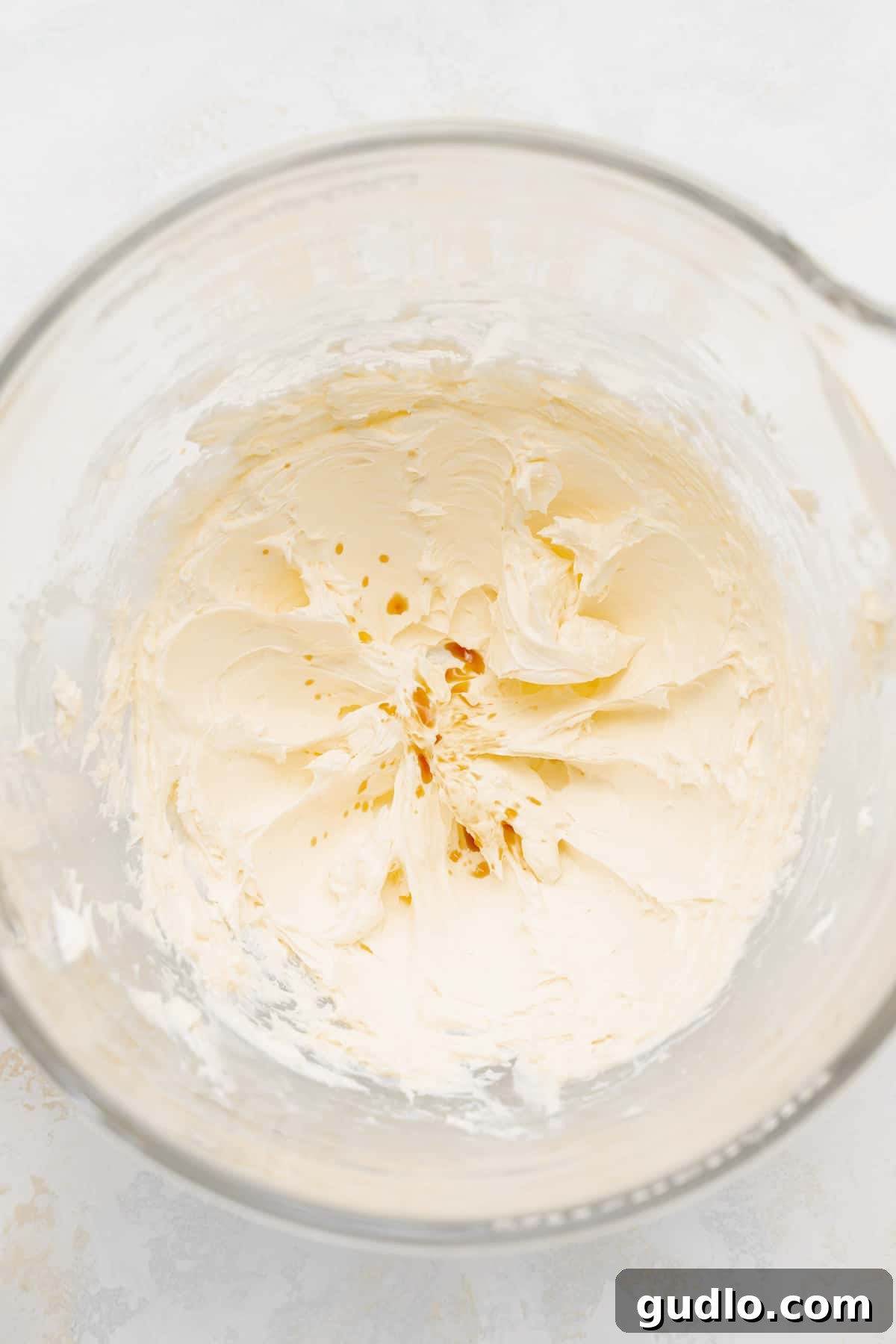
- The Warm Water Bath: A gentle and effective method. Keep the cream cheese securely sealed in its original foil wrapper, or transfer it to a robust, sealed zip-top bag to prevent water ingress. Submerge the wrapped cream cheese block into a bowl of warm (not hot) tap water. Allow it to sit for approximately 10-15 minutes. The warm water will gently bring the internal temperature of the cheese up to a softened state without directly cooking it.
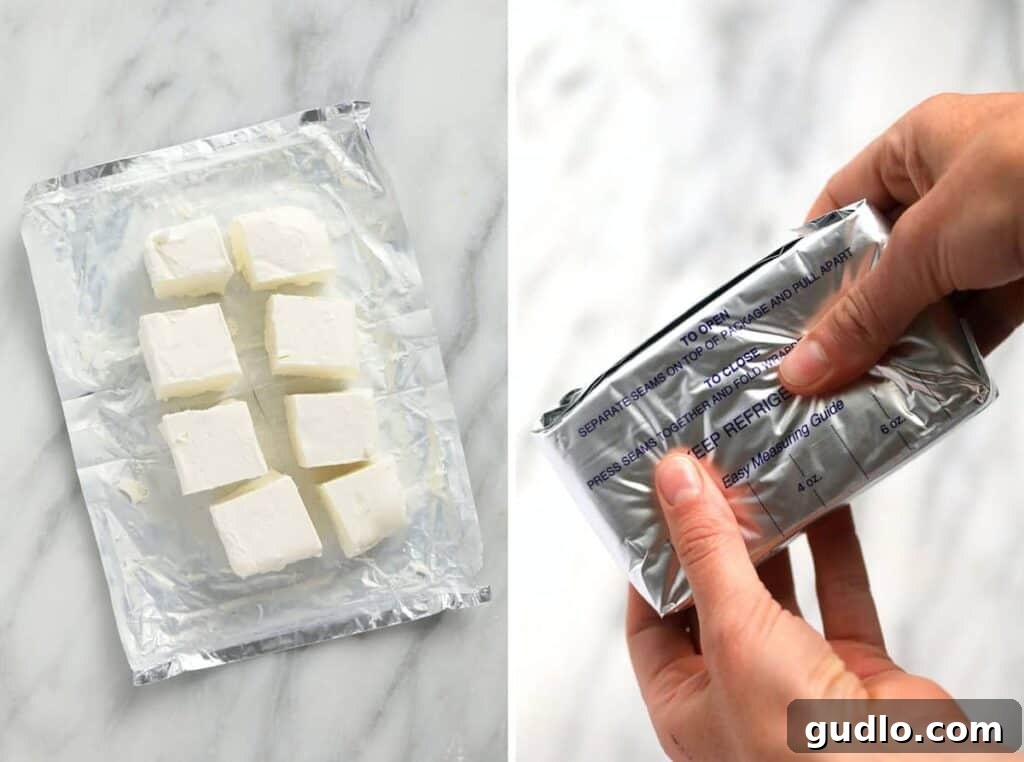
- Cutting into Smaller Cubes: For slightly faster room-temperature softening, or as a preparatory step before using a mixer, cut the cold cream cheese block into smaller, 1-inch cubes. This simple action significantly increases the surface area exposed to the ambient air, allowing the cheese to warm up and soften much more quickly than a solid block.
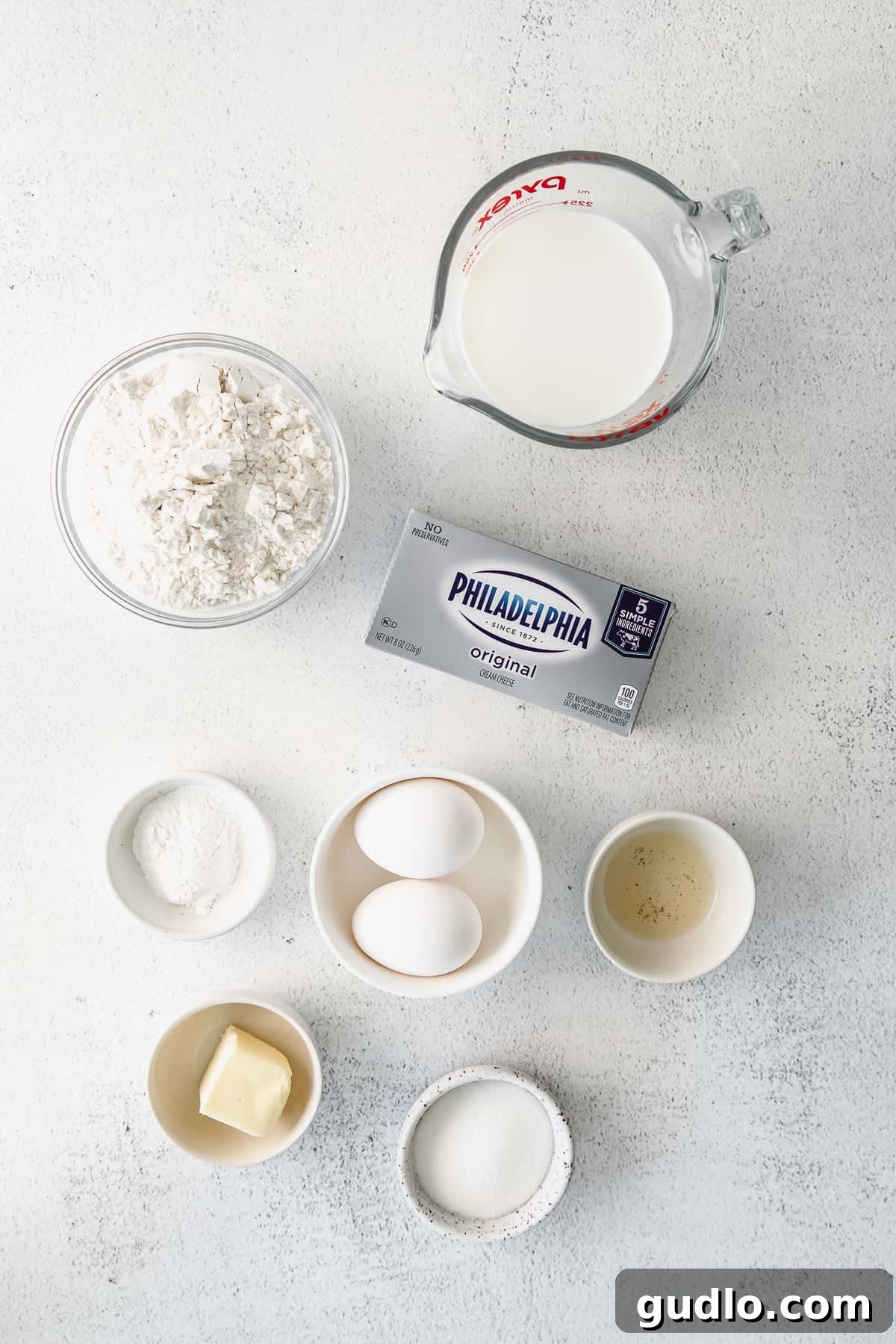
- Utilizing a Stand Mixer: If your recipe already calls for a stand mixer, you can often soften cream cheese by simply beating it on low speed for a few minutes. If it’s particularly cold and stiff, begin with a paddle attachment to break up the dense block, then switch to a whisk attachment once it begins to soften and become more pliable. The mechanical action generates gentle friction that aids in softening.
Can You Freeze Cream Cheese? Essential Storage Tips for Longevity
Absolutely, you can freeze cream cheese! This is excellent news for anyone looking to extend its shelf life, manage bulk purchases, or simply plan ahead. However, it’s crucial to understand that the freezing and thawing process can induce slight alterations in its texture. While the delightful flavor of cream cheese typically remains unaffected, thawed cream cheese may exhibit a slightly crumbly, grainy, or somewhat watery consistency compared to its original, impeccably silky-smooth form. Due to this potential textural shift, thawed cream cheese is generally less ideal for applications where a perfectly smooth, unblemished finish is critical, such as spreading directly on bagels or creating the flawless top layer of a pristine cheesecake.
Optimal Practices for Freezing Cream Cheese
To preserve the highest possible quality of your cream cheese after it has been frozen, adhere to these straightforward yet effective guidelines:
- Utilize Original Packaging: For the best results, it is highly recommended to freeze cream cheese in its original, unopened packaging. This packaging is specifically designed to provide an optimal barrier against freezer burn and helps maintain the cheese’s structural integrity. If the package has already been opened, ensure you tightly wrap the remaining cream cheese in several layers of plastic wrap, then place it inside a heavy-duty freezer-safe bag or an airtight container. This multi-layered protection minimizes air exposure, which is the primary cause of freezer burn.
- Freeze Promptly for Peak Freshness: For optimal quality upon thawing, make sure to freeze cream cheese well in advance of its “best by” or “expiration” date. Freezing it while it’s at its freshest ensures a better texture and flavor retention.
- Recommended Freezing Duration: Cream cheese can be safely stored in the freezer for up to 3 months. While it may remain safe to consume beyond this period, its quality, particularly its texture, may begin to diminish further.
Guidance on Thawing Frozen Cream Cheese
To Thaw: The most effective method for thawing cream cheese is a gradual approach. Transfer the frozen cream cheese from the freezer to your refrigerator and allow it to thaw slowly overnight, or for a minimum of 8-12 hours. This gentle, slow thawing process is key to minimizing significant texture changes. Once completely thawed, you might observe a minor separation of liquids or a slightly granular appearance. A vigorous whisk or a brief beat with an electric mixer can often help to re-emulsify and restore a good portion of its original creaminess. If, after these efforts, it still feels too crumbly for your initial intended use (like a spread), rest assured it is still perfectly suitable and delicious for cooked applications where it will be melted and thoroughly blended into other ingredients.
Ideal Culinary Uses for Thawed Cream Cheese
Given the potential for minor textural alterations, thawed cream cheese is best suited for recipes where it will be cooked, extensively blended, or baked as part of a larger mixture. Excellent applications where thawed cream cheese excels include:
- Crafting rich and creamy sauces, such as indulgent pasta sauces or velvety soups.
- Incorporation into various baked goods, including decadent cheesecakes, moist brownies, tender cookies, or savory quick breads.
- Preparing flavorful dips and spreads, where the presence of other ingredients helps to mask any subtle textural differences.
- Enhancing casseroles and hot appetizers, where its creaminess will be fully integrated during the cooking process.
Irresistible Cream Cheese Recipes: Sweet and Savory Delights
Cream cheese truly asserts its culinary brilliance across an endless spectrum of recipes, generously lending its signature creaminess and subtle tang to both delightful sweet confections and robust savory creations. Whether your palate craves a decadent dessert, a comforting and hearty main dish, or a crowd-pleasing appetizer that will disappear quickly, cream cheese often emerges as the indispensable secret ingredient, effortlessly elevating both the flavor profile and the luxurious texture of any dish.
Our Top 5 Most Popular Cream Cheese Recipes
These acclaimed recipes from The Cheese Knees have consistently captivated and delighted our readers, serving as perfect examples of cream cheese’s incredible and diverse culinary applications:
- Festive Cheese Ball: A timeless party favorite, this savory and customizable spread is a perfect centerpiece for any gathering, skillfully combining cream cheese with a variety of complementary seasonings and delightful add-ins.
- Baked Cream Cheese Pasta: A viral sensation that captured the hearts of home cooks, this recipe effortlessly delivers a creamy, rich, and wonderfully indulgent pasta dish with minimal preparation and maximum flavor.
- Cold Crab Dip with Cream Cheese: A refreshingly light yet flavorful dip that provides an exquisite pairing for crisp crackers or fresh crudités, making it an ideal choice for elegant summer entertaining.
- Cream Cheese Sugar Cookies: These distinctive cookies are renowned for their extraordinarily soft, wonderfully chewy texture, and uniquely rich flavor, all attributed to the magical inclusion of cream cheese in the dough.
- Alfredo Sauce with Cream Cheese: A decadently rich and creamy twist on the beloved classic, where cream cheese introduces an additional layer of profound richness and a beautifully enhanced body to this universally adored pasta sauce.
Luscious Sweet Cream Cheese Creations
Cream cheese is a foundational and indispensable component in a myriad of cherished desserts, consistently providing a creamy, stabilizing base and a delightful tang that masterfully balances and cuts through inherent sweetness. From airy, fluffy frostings to sumptuously rich cheesecakes, its distinctive presence is both undeniable and crucial:
- Cheesecakes: Undeniably the undisputed star of cream cheese desserts, ranging from the dense and classic New York style to lighter, no-bake variations, often featuring vibrant fruits, rich chocolates, or aromatic spices.
- Frostings: A quintessential staple for beloved desserts like moist red velvet cakes, spiced carrot cakes, and delicate cupcakes, offering a wonderfully less cloyingly sweet and more complex alternative to traditional buttercream. Be sure to try our indulgent Chocolate Cream Cheese Frosting or a timeless classic like Vanilla Cream Cheese Frosting.
- Pastries & Baked Goods: Frequently incorporated into flaky Danish pastries, as a delightful filling for cream cheese-stuffed French toast, in decadent dessert bars, and even as a smooth, creamy layer within some fruit tarts.
- Cookies & Brownies: The addition of cream cheese significantly enhances moisture and tenderness in baked goods, creating unique textures, as exemplified in our incredibly soft Cream Cheese Chocolate Chip Cookies or swirled artfully into rich brownies for an added layer of flavor and creaminess.
Delectable Savory Cream Cheese Delights
Never confine cream cheese solely to the dessert menu! Its inherently mild flavor profile and luxuriously creamy texture establish it as an exceptional foundation for a plethora of savory dishes, where it effortlessly adds a layer of profound richness and acts as a superb binding agent for diverse ingredients:
- Dips & Spreads: Cream cheese forms the backbone and essential creamy base for countless hot and cold dips, ranging from beloved spinach and artichoke dips to zesty jalapeño popper dips, offering a satisfying texture and rich flavor.
- Sauces: It works wonders to thicken and enrich a variety of sauces, including creamy pasta sauces, savory gravies, and comforting, hearty casseroles, imparting a smooth and opulent consistency.
- Stuffed Meats & Vegetables: Excellently utilized as a flavorful filling for meats like succulent chicken breasts, or vegetables such as vibrant bell peppers, earthy mushrooms, or spicy jalapeños, often expertly combined with aromatic herbs and complementary spices for a burst of flavor.
- Bagel Spreads: The absolute quintessential choice for bagels, perfect when served plain, or creatively mixed with fresh chives, rich smoked salmon, or sweet berries for a delightfully personalized culinary touch.
Explore More Recent Cream Cheese Recipes
Pumpkin Spice Latte Loaf
Cottage Cheese Spinach Artichoke Dip
Cream Cheese Crepe Filling
Easy Alfredo Sauce (with Cream Cheese)
Blue Cheese Buffalo Chicken Dip
Cream Cheese FAQ: Your Most Common Questions Answered
Cream cheese can certainly be a valuable component of a balanced and healthy diet, especially when consumed in appropriate moderation. It stands out for its notably lower carbohydrate and sugar content compared to many other dairy products, although it is comparatively higher in fat. Beyond its macronutrient profile, it also supplies essential micronutrients such as Vitamin A, which plays a critical role in vision and immune function, and calcium, vital for maintaining strong bones. For individuals adhering to specific dietary regimens like ketogenic or low-carb diets, its unique macronutrient composition can be quite advantageous. Opting for reduced-fat or light versions can help in managing overall calorie and fat intake while still providing the delightful creamy texture. Always consider your personal dietary goals, individual health requirements, and consult with a healthcare professional or nutritionist for personalized advice.
In very minimal quantities, plain cream cheese is generally considered safe for most dogs as an occasional, small treat. However, it is important to exercise caution. Cream cheese is high in fat, which can lead to gastrointestinal upset or pancreatitis in larger amounts, and it contains lactose, an ingredient that many dogs struggle to digest, potentially resulting in symptoms like stomach cramps, diarrhea, or vomiting. Critically, always ensure that any cream cheese offered is completely plain, devoid of any added sweeteners (especially xylitol, which is highly toxic to dogs), artificial flavors, or harmful ingredients such as chives, garlic, or onions, all of which are detrimental to canine health. It is always best practice to consult your veterinarian before introducing any new food into your dog’s diet, and closely monitor them for any adverse reactions after consumption.
By its fundamental composition, most plain cream cheese brands are inherently gluten-free, as their primary ingredients – milk, cream, and bacterial cultures – do not contain gluten. Nevertheless, it is absolutely essential to diligently check the ingredient label for any brand you intend to purchase, particularly when considering flavored or whipped varieties. These specialized products might contain supplementary additives, thickeners, or flavorings that could potentially contain gluten, or they may be processed in facilities that also handle gluten-containing ingredients, leading to cross-contamination risks. For individuals with severe gluten allergies or sensitivities, always prioritize purchasing products that are explicitly labeled and certified as “gluten-free” to ensure safety and peace of mind.
The effective shelf life of cream cheese largely depends on whether its packaging has been opened or remains sealed. An unopened package of cream cheese, when consistently stored in the refrigerator, can typically maintain its quality and freshness for approximately 3-4 weeks beyond the “best when purchased by date” indicated on the packaging, and in some cases, it may even last up to a full month. Once the package has been opened, and if the remaining cream cheese is meticulously wrapped and sealed to prevent any exposure to air, it should ideally be consumed within 1-2 weeks for optimal quality and safety. Always ensure it is stored in the coldest section of your refrigerator. Be vigilant for any signs of spoilage, which include the appearance of mold growth, a distinctly sour or off odor, or noticeable discoloration. When in any doubt about its freshness, it is always the safest and most prudent decision to discard it.
Yes, cream cheese is widely regarded as a highly keto-friendly food item. Its nutritional composition, characterized by a very low carbohydrate count (typically around 1 gram per ounce) and a relatively high fat content, aligns perfectly with the macronutrient ratios required to sustain a state of ketosis in a ketogenic diet. This makes cream cheese an exceptionally versatile ingredient for crafting a variety of delicious keto-compatible foods, including rich and satisfying desserts, energy-boosting fat bombs, savory dips, and creamy, flavorful sauces. Incorporating cream cheese into your keto diet can significantly help you adhere to your strict carb limits while still enjoying richly satisfying and diverse culinary experiences.
A standard serving size of 1 oz. (approximately 28 grams) of plain, full-fat cream cheese typically contains a minimal amount, usually about 1 gram of carbohydrates. This remarkably low carbohydrate count is one of the primary reasons cream cheese is such a popular and valuable staple in both low-carb and ketogenic diets. It is always a good practice, however, to meticulously check the specific nutritional label of the particular brand you are purchasing, as the carbohydrate values can exhibit slight variations, particularly among flavored or reduced-fat cream cheese options which may contain added sugars or starches.
While cream cheese and Neufchâtel cheese share similarities in their unripened nature and creamy texture, they originate from different traditions and have distinct compositions. Neufchâtel is a traditional French cheese, often considered the historical predecessor to American cream cheese. The primary distinguishing factor lies in their fat content. Traditional Neufchâtel contains significantly less fat (typically about one-third less) than standard American cream cheese, as it is made primarily from milk, whereas cream cheese incorporates additional cream for extra richness. Neufchâtel also tends to have a slightly tangier flavor profile and a marginally firmer, more crumbly texture. In the United States, “Neufchâtel” is often used to label a reduced-fat version of cream cheese, which can sometimes lead to confusion with its French counterpart.
Yes, absolutely! Making your own cream cheese at home is a rewarding culinary endeavor and entirely achievable. The process typically involves culturing a mixture of milk and cream using a specific starter culture (such as a mesophilic culture or even a good quality buttermilk), allowing this mixture to ferment and thicken over time. Following this, the curds are carefully separated from the whey by draining, often through a cheesecloth. While it does require a bit of patience and attention to detail, homemade cream cheese offers the unique advantage of a remarkably fresh, customizable flavor profile and allows you complete control over the ingredients, bypassing any unwanted additives found in commercial versions. It’s a fantastic experiment for any dairy enthusiast!
Discover More of Our Favorite
Cream Cheese Inspired Recipes
Delve even deeper into the enchanting world of cream cheese with an expanded collection of exciting recipes that vividly highlight its unparalleled versatility and enduring appeal:
- Vanilla Cream Cheese Frosting: The quintessential classic frosting, offering a perfectly balanced sweetness and tangy creaminess ideal for any cake or cupcake.
- Peanut Butter Chocolate Cream Cheese Fudge: An incredibly rich, intensely creamy, and utterly irresistible treat that masterfully unites two universally beloved flavors into one decadent confection.
- Cream Cheese Chocolate Chip Cookies: Experience chocolate chip cookies transformed, with an unbelievably soft, uniquely tender texture and a subtly rich flavor attributed to the magic of cream cheese.
- Cream Cheese Crepe Filling: A truly delightful and light filling that elevates sweet crepes, often paired harmoniously with fresh seasonal fruits for a perfect breakfast or dessert.
- Pumpkin Spice Latte Loaf: A wonderfully moist, aromatic spiced loaf cake, frequently crowned with a luscious, tangy cream cheese glaze that perfectly complements its autumnal flavors.
- Explore ALL Our Cream Cheese Recipes Here! Dive into our extensive collection and find your next favorite dish.