
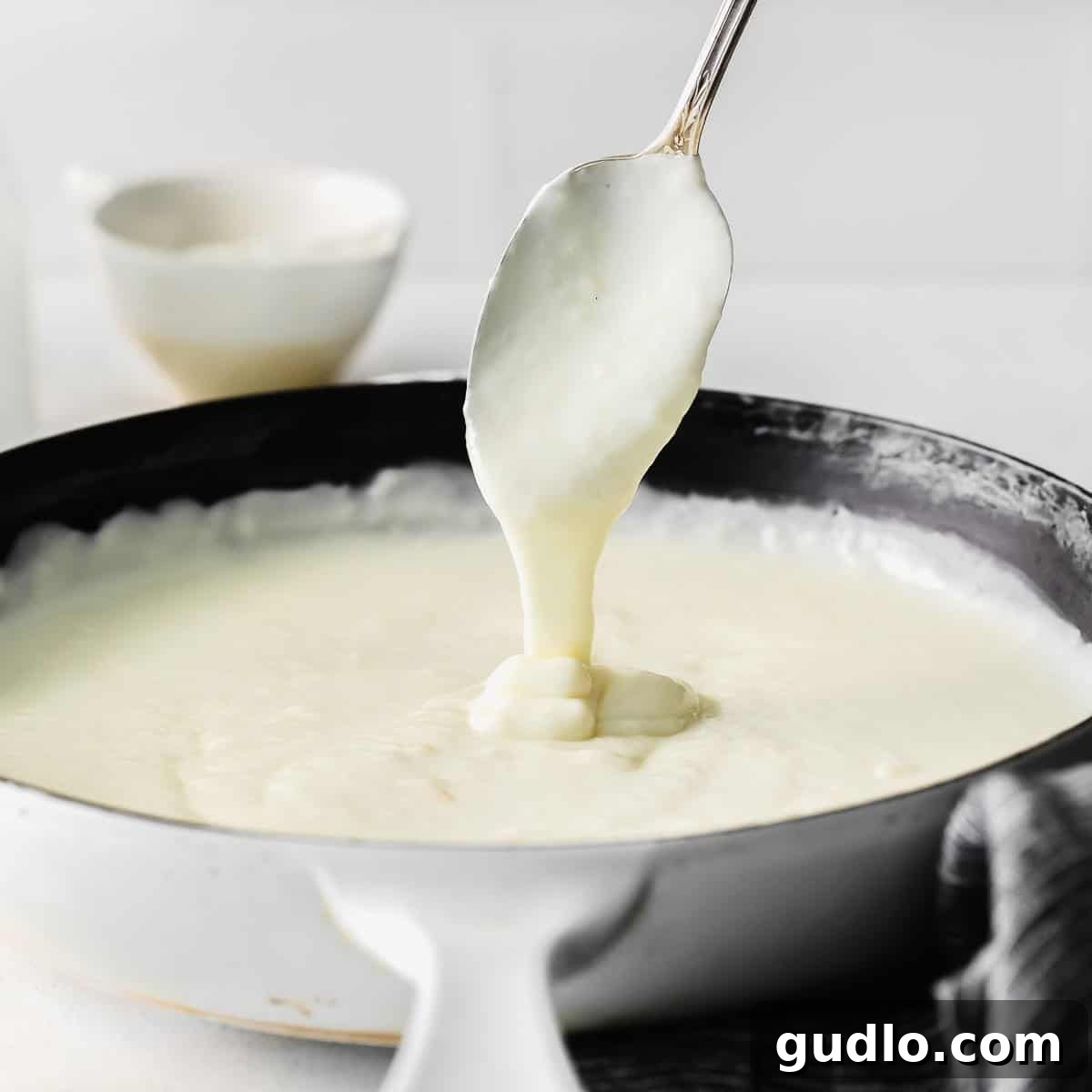
Embark on a culinary journey to master the art of making a rich, creamy, and impeccably white bechamel sauce. This foundational sauce, requiring just three basic ingredients—butter, flour, and milk—is a cornerstone of classic cuisine and opens up a world of delicious possibilities in your kitchen. Whether you’re a seasoned chef or a home cook looking to elevate your dishes, our comprehensive guide will walk you through every step to achieve bechamel perfection.
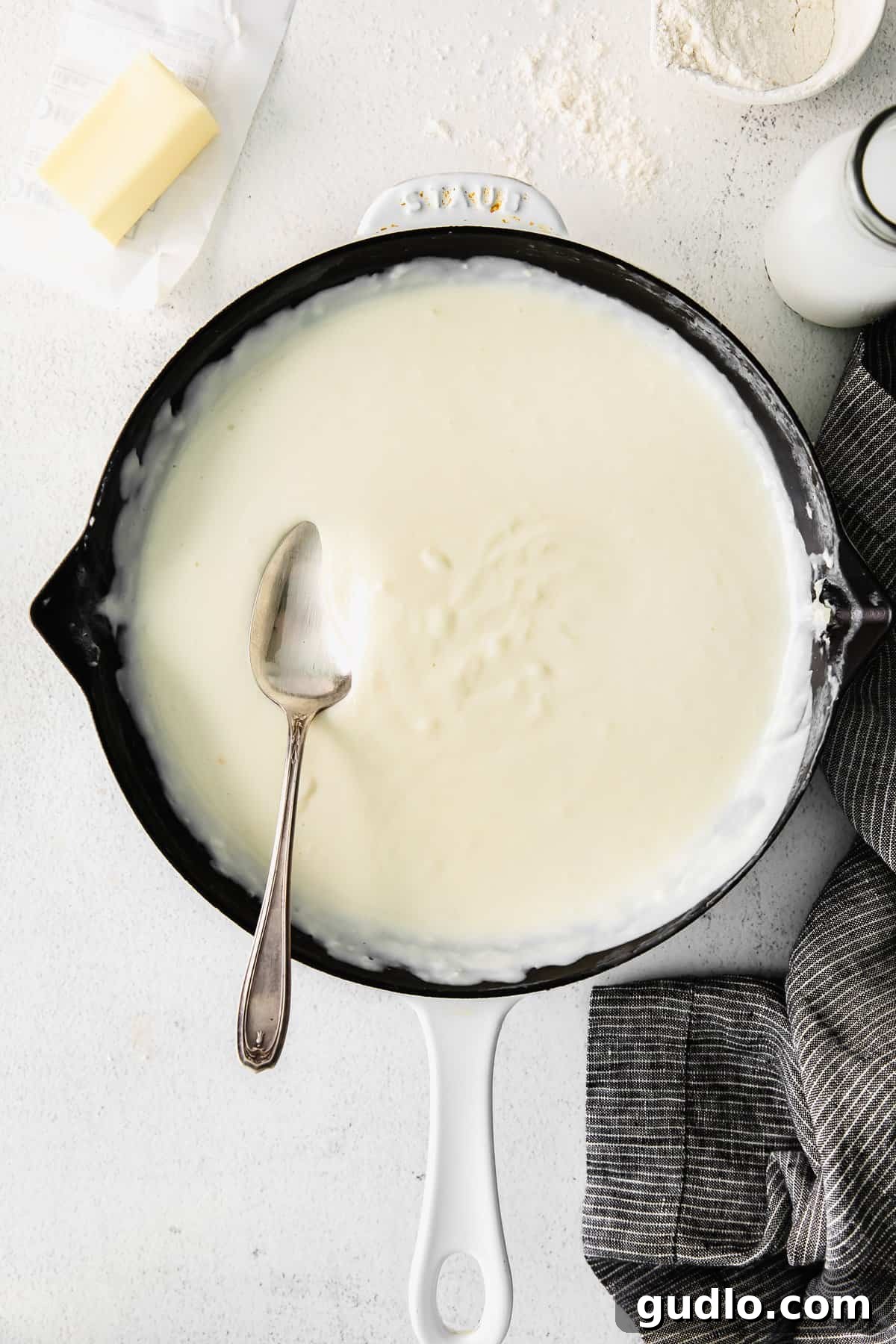
What is Bechamel Sauce? The Mother of All Creamy Sauces
Often hailed as one of the five “mother sauces” of French cuisine, bechamel sauce is a classic white sauce crafted from a fundamental thickening agent known as a roux (a mixture of cooked butter and flour) combined with milk. Its simplicity belies its incredible versatility and depth of flavor, making it a vital component in countless dishes worldwide. Essentially, when you master the roux and milk combination, you unlock the secret to creating not just bechamel, but a multitude of other creamy sauces. Many beloved cheese sauces, including our famous mac and cheese sauce, begin with a perfectly prepared bechamel as their base.
The magic is simple:
Roux (Butter + Flour) + Milk = Bechamel Sauce
This fundamental equation is your gateway to a world of creamy culinary delights. The key is in the ratio and the technique, ensuring a smooth, lump-free sauce every time.
The Culinary Versatility: What is Bechamel Sauce Used In?
Bechamel sauce serves as an exceptional starting point for a vast array of dishes, lending its creamy texture and mild flavor to both savory and comforting meals. Its adaptability allows it to shine in various forms, making it an indispensable part of any cook’s repertoire. Here are some of the most popular and delightful applications:
- Pasta Dishes: Bechamel is the perfect base for incredibly rich and creamy pasta sauces. It transforms effortlessly into the velvety consistency required for dishes like Alfredo sauce, providing a luxurious coating for your favorite pasta shapes.
- Cheese Sauces: By simply adding cheese, bechamel sauce becomes the ultimate foundation for decadent cheese sauces. It’s the secret behind a truly indulgent mac and cheese sauce and a robust cheddar cheese sauce, perfect for coating vegetables or pouring over nachos.
- Layered Bakes & Gratins: Its thick, spreadable nature makes bechamel ideal for layered casseroles. It’s especially crucial in creating a luscious bechamel lasagna, where it adds moisture, richness, and binds the layers together beautifully. It also forms a delicious topping for vegetable gratins, offering a golden, bubbly finish.
- Cream Soups & Stews: A touch of bechamel can thicken and enrich various cream soups, adding a desirable body and silky texture without overpowering other flavors.
- Casseroles: Beyond lasagna, bechamel forms the creamy binder for many comforting casseroles, from tuna noodle to chicken pot pie fillings.
- Vegetable Dishes: Drizzle warm bechamel over steamed or roasted vegetables like broccoli, cauliflower, or asparagus for an instant upgrade.
Try it!
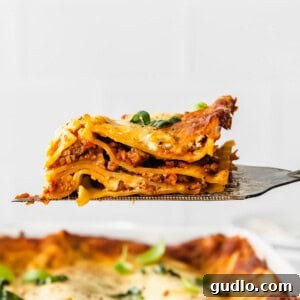
Bechamel Lasagna
This delicious bechamel lasagna recipe is comfort food at its finest! Made from a simple meat sauce, creamy bechamel sauce, and perfectly layered for an unforgettable meal. Enjoy the ultimate Italian comfort!
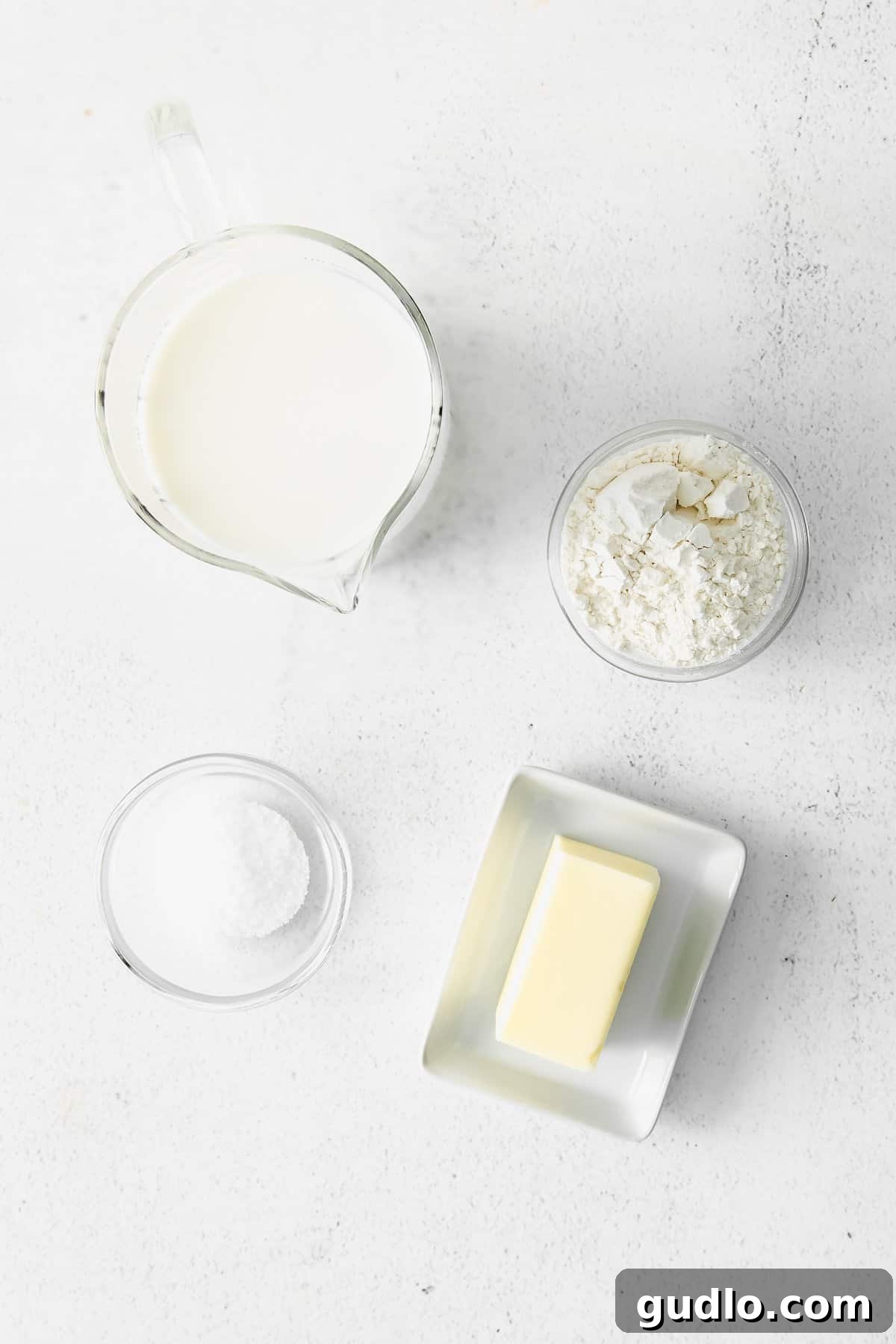
The Simple Ingredients for a Perfect Bechamel Sauce
The true glory of this thick and creamy sauce lies in its elegant simplicity. You only need a handful of basic, readily available ingredients to create culinary magic. Each component plays a crucial role in achieving the desired texture and flavor:
- Butter: We traditionally use unsalted butter as the fat component for our bechamel sauce. Unsalted butter allows for greater control over the overall sodium content of your finished dish. Butter contributes a rich, classic flavor that is characteristic of traditional bechamel. While butter is preferred, you can experiment with other fats such as olive oil or even vegetable oil, keeping in mind that these alternatives will impart a different flavor profile to your sauce.
- All-Purpose Flour: For this classic bechamel sauce recipe, we stick with standard all-purpose flour. Its protein content and finely milled texture create a stable and effective roux, ensuring a smooth thickening. While all-purpose flour is standard, we’ve also successfully used other gluten-containing flours like white whole wheat flour for a slightly nuttier flavor and added fiber. For gluten-free alternatives, see our FAQ section below for important considerations.
- Whole Milk: Milk is the liquid component that transforms your roux into a lush, creamy sauce. We highly recommend using whole milk for the richest and most authentic bechamel. Its higher fat content contributes to the sauce’s luxurious texture and mouthfeel. However, other milks with varying fat content, such as 2% or even skim milk, can be used, though they may result in a slightly thinner or less creamy sauce. For dairy-free versions, full-fat plant-based milks (like oat or soy milk) can also be effective, but be mindful of their inherent flavors.
- Salt: While not listed as one of the “three basic ingredients,” a touch of salt is essential to season the sauce and enhance its overall flavor, bringing out the creamy richness. Freshly ground black pepper or a pinch of nutmeg are also common additions for a nuanced flavor.
Step-by-Step Guide: How to Make Perfect Bechamel Sauce
Creating a velvety smooth bechamel sauce is easier than you might think. Follow these simple steps for a consistently delicious result. The key is patience and continuous whisking.
Step 1: Melt the Butter
Begin by placing a large, heavy-bottomed saucepan over medium heat. Add your butter to the pan. Allow the butter to melt completely, watching it closely to ensure it doesn’t brown. It should be fully liquid and slightly foamy. A heavy-bottomed pan is crucial here as it distributes heat evenly, preventing scorching.
Step 2: Create the Roux by Adding Flour
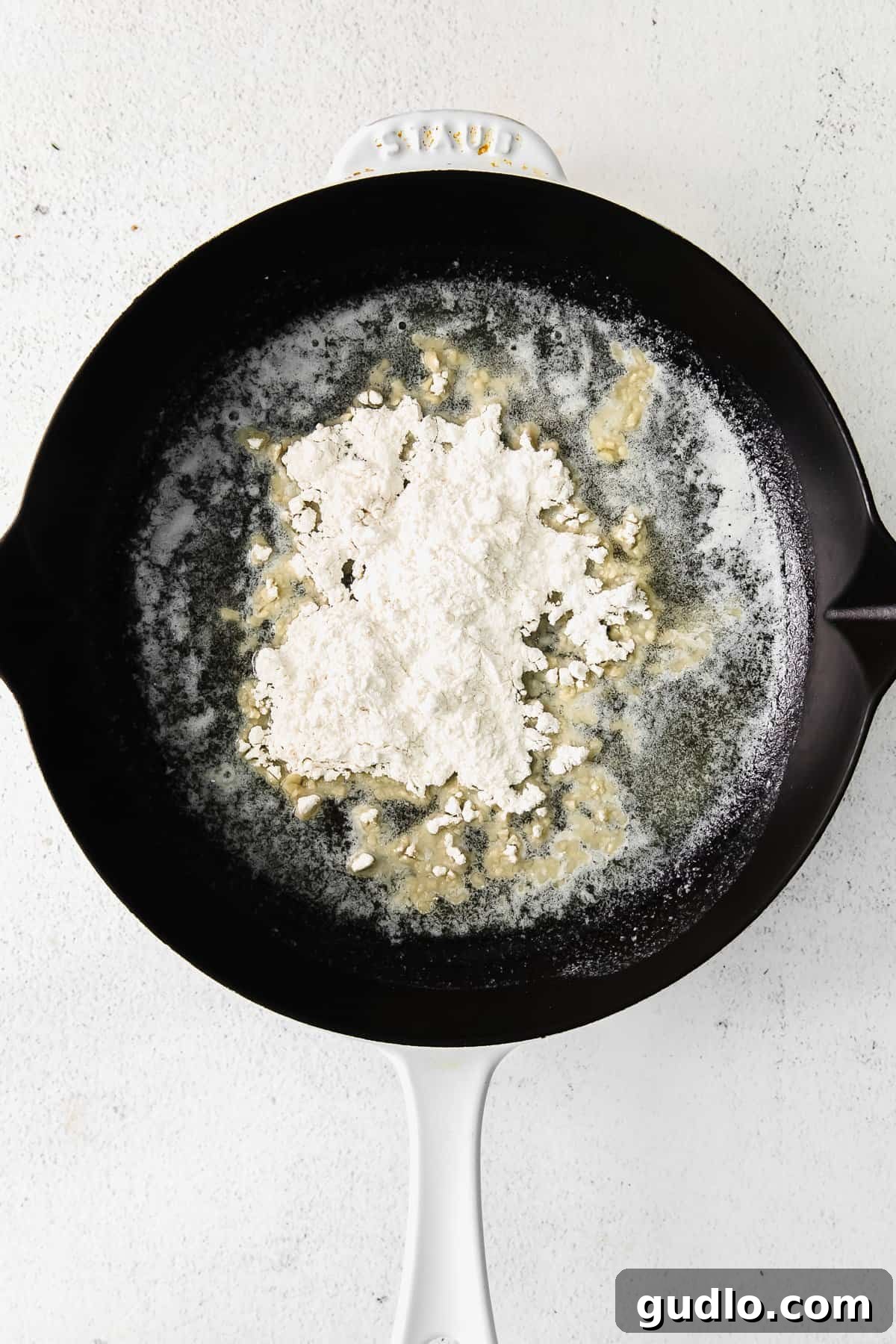
Once the butter is fully melted and glistening, add the all-purpose flour directly into the saucepan. Immediately begin whisking vigorously. The butter and flour will quickly combine to form a thick, golden paste known as a roux. Continue to whisk and cook the roux for 1-2 minutes. This step is vital to cook out the raw flour taste, which can otherwise make your sauce taste pasty. The roux should remain a pale, light color—this is known as a white roux, essential for a classic white bechamel. Do not allow it to brown.
Step 3: Slowly Incorporate the Milk
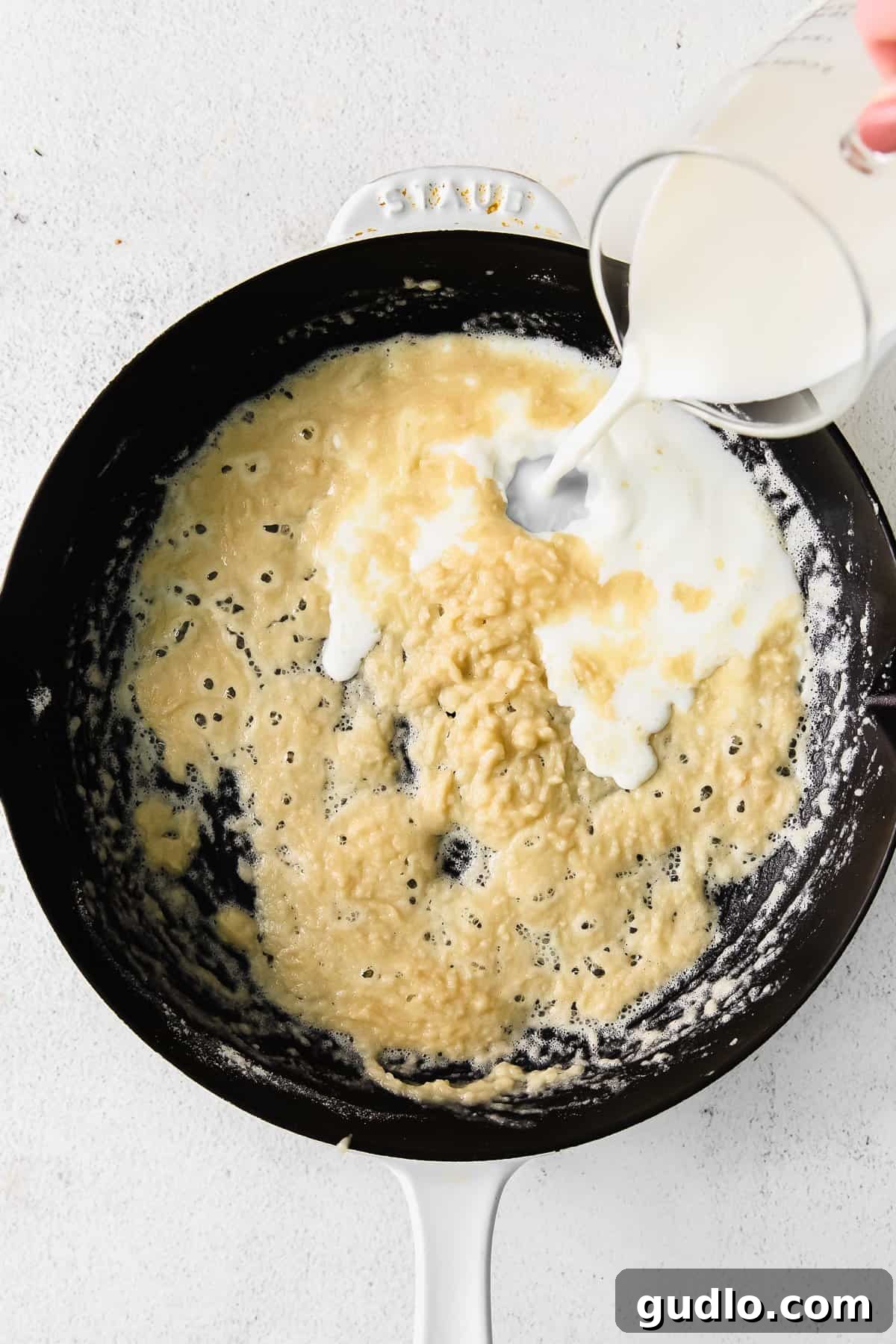
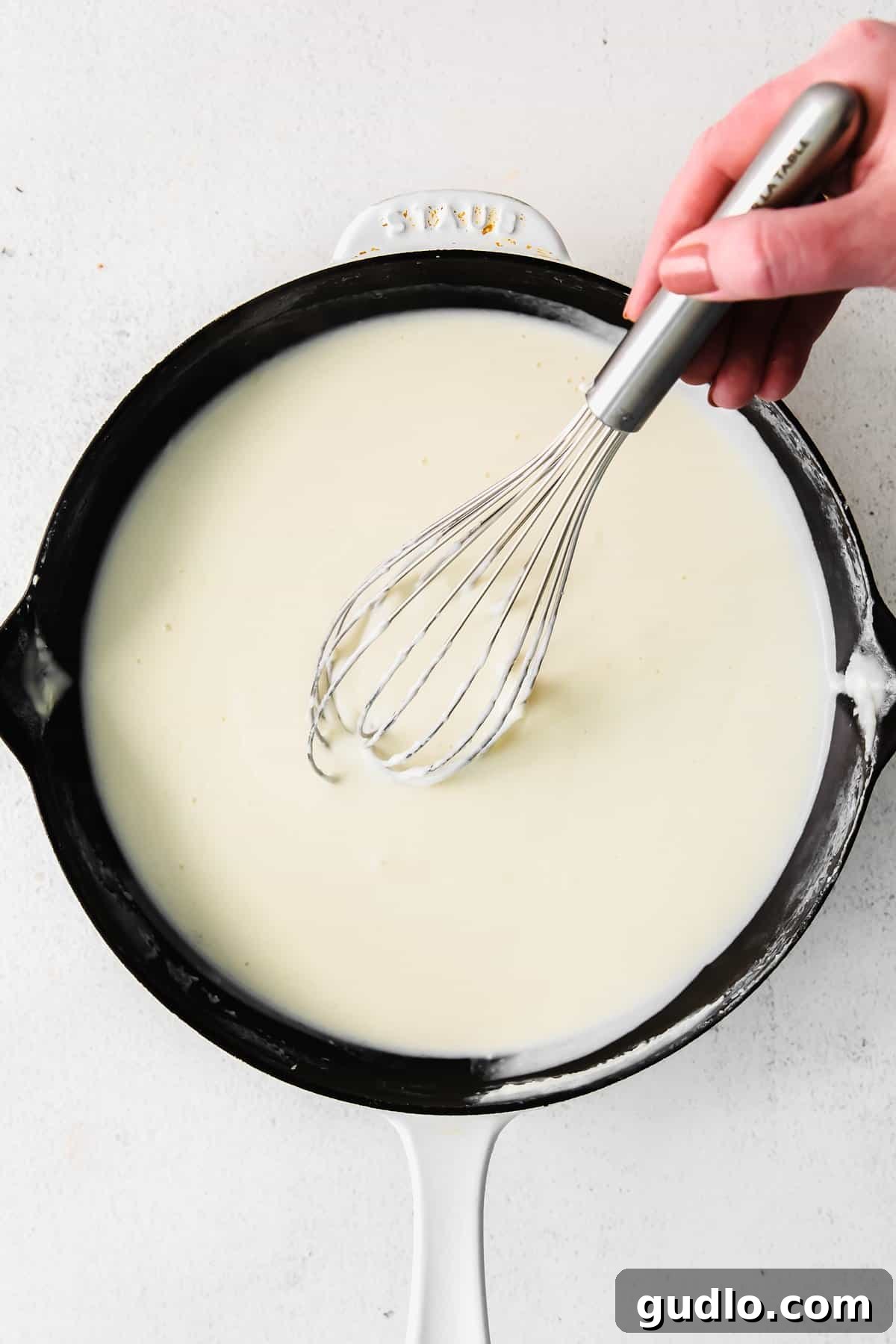
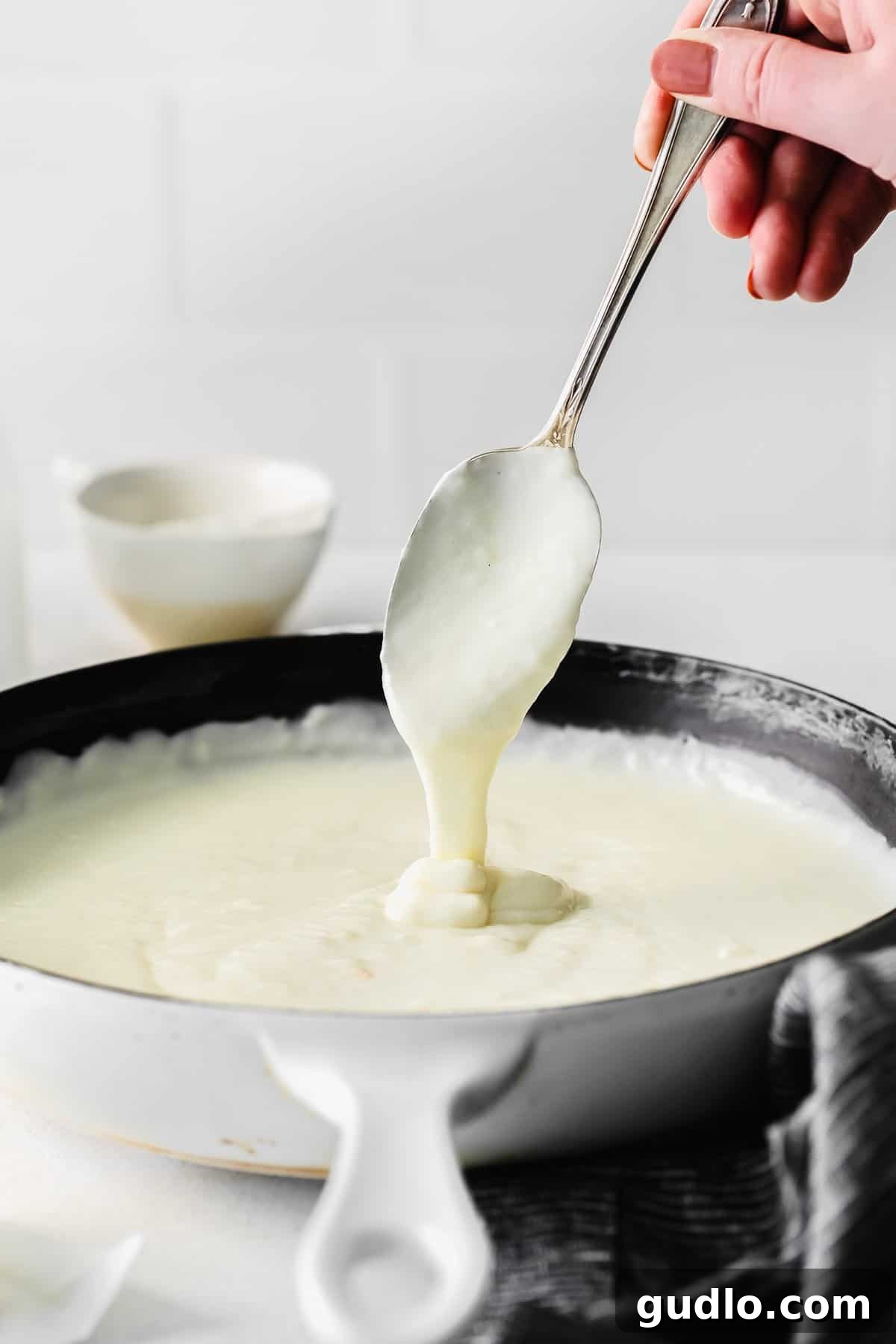
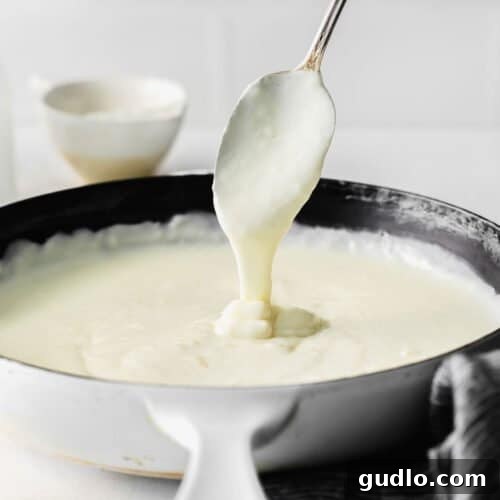
Now comes the crucial stage of adding the milk. Gradually pour the whole milk into the roux in a slow, steady stream, whisking constantly and energetically. Pouring the milk slowly and continuously whisking helps prevent lumps from forming. Initially, the mixture might look clumpy, but as you continue to whisk and add more milk, it will become smooth. Keep whisking until all the milk has been incorporated. Continue to cook over medium heat, whisking frequently, until the bechamel sauce begins to thicken and achieve a smooth, creamy consistency. This usually takes a few minutes after all the milk is added. The sauce should coat the back of a spoon without running off too quickly.
Step 4: Season and Remove from Heat
Once your bechamel sauce has reached the desired thick and creamy consistency, remove it from the heat. Season generously with salt to taste. This is also the perfect time to add any optional seasonings, such as a pinch of freshly grated nutmeg for a traditional touch, or a dash of white pepper. From here, your versatile bechamel is ready for its purpose. You can transform this base into a rich cheese sauce by stirring in your favorite shredded cheese (creating a Mornay sauce), or use it as a plain, elegant white sauce in dishes like lasagna, gratins, or as a creamy accompaniment to vegetables.
Frequently Asked Questions About Bechamel Sauce
Here are answers to some common questions about making and using bechamel sauce:
Yes, you absolutely can use olive oil or another vegetable oil instead of butter to make your roux. However, it’s important to keep in mind that using olive oil will indeed change the flavor of the sauce. Butter imparts a distinct rich, nutty flavor that is characteristic of traditional bechamel. Olive oil will give the sauce a fruitier, perhaps slightly lighter taste. Choose the fat that best complements the dish you’re preparing.
Certainly! Bechamel is a fantastic canvas for flavor experimentation. You can add dried or fresh herbs like thyme, bay leaf, or a pinch of rosemary directly to the milk as it warms (and then strain them out before adding to the roux) or stir them in at the end. A classic addition is a pinch of freshly grated nutmeg, which complements the creaminess beautifully. Garlic powder, onion powder, or a dash of white pepper can also provide extra depth without altering the sauce’s color.
Yes, you can make bechamel sauce gluten-free by using a 1:1 gluten-free flour blend as a substitute for all-purpose flour. Be mindful that different gluten-free flour blends can vary in absorbency and flavor. Some blends may produce a slightly different texture or taste compared to traditional bechamel, so choose a blend that is intended for thickening sauces. A cornstarch slurry can also be used as a thickener, but it’s not a traditional roux and will result in a different consistency.
Beyond its common uses in lasagna and mac and cheese, bechamel sauce is incredibly versatile. It can serve as a general pasta sauce, lightly seasoned, or enriched with vegetables and protein. Consider using it as a warm, savory dip for crusty bread, fresh vegetables, or crackers, similar to a simple fondue. It’s also excellent in croque monsieur or croque madame sandwiches, as a binder for creamy gratins, or as a base for chicken pot pie fillings. Its mild flavor makes it adaptable to many cuisines.
Lumps usually occur if the milk is added too quickly or if the whisking isn’t continuous. To fix a lumpy sauce, you can either continue whisking vigorously over low heat until the lumps dissolve, or for more stubborn lumps, carefully push the sauce through a fine-mesh sieve. Alternatively, an immersion blender or a regular blender can smooth out a lumpy sauce effectively.
If your bechamel is too thick, gradually whisk in a little more warm milk (or even a splash of broth or water) until it reaches your desired consistency. If it’s too thin, you can continue to cook it over low heat, whisking constantly, to allow it to reduce and thicken. Alternatively, you can make a small slurry of flour or cornstarch mixed with cold milk/water, and gradually whisk that into the simmering sauce until it thickens.
Storage and Reheating Your Bechamel Sauce
Proper storage is key to enjoying your homemade bechamel sauce later. Once prepared, allow the sauce to cool completely at room temperature. To prevent a skin from forming on top, you can place a piece of plastic wrap directly onto the surface of the sauce before covering the container. Store leftover bechamel sauce in an airtight container in the fridge for up to 3 days. Freezing bechamel is generally not recommended as the texture can become grainy upon thawing due to the milk separating.
Can I reheat béchamel sauce?
Yes, you can absolutely reheat bechamel sauce, but it requires a gentle approach to restore its creamy texture. Place the cold bechamel sauce into a small saucepan over low heat. As it warms, it will likely appear quite thick and possibly clumpy. Gradually add 1 tablespoon of milk (or even cream or broth) at a time, whisking continuously and patiently, until the sauce thins out and reaches your desired smooth, creamy consistency. Avoid high heat, as this can cause the milk to scorch or separate. Gentle, consistent whisking is your best friend when reheating bechamel.
Delicious Bechamel Sauce Variations
Once you’ve mastered the basic bechamel, you can effortlessly transform it into a multitude of other classic and innovative sauces. Here are a few popular variations to inspire your culinary creativity:
- Mornay Sauce: This is arguably the most famous bechamel derivative. To make Mornay, simply stir in grated cheese (typically Gruyère, Parmesan, or a blend) into your finished hot bechamel until melted and smooth. It’s perfect for gratins, mac and cheese, or topping vegetables.
- Soubise Sauce: This variation incorporates finely chopped and sautéed onions into the bechamel, adding a sweet and savory depth. It’s excellent with roasted meats or poultry.
- Cream Sauce: For an extra decadent touch, simply stir in a splash of heavy cream at the end of cooking your bechamel. This adds an even richer texture and flavor, ideal for more luxurious dishes.
- Herb Bechamel: Infuse your milk with fresh herbs like bay leaves, thyme, or a clove of garlic before adding it to the roux. Strain the milk to remove the aromatics for a subtly flavored sauce. Alternatively, stir finely chopped fresh herbs like chives or parsley into the finished sauce.
- Spice Infused Bechamel: A classic addition is a pinch of freshly grated nutmeg. However, you can also experiment with a hint of white pepper, a touch of mustard powder, or even a tiny pinch of cayenne for a subtle kick, depending on the final dish.
More of our Favorite…
Recipes Featuring Bechamel Sauce
Now that you’ve mastered the art of making bechamel, explore these delicious recipes that highlight its incredible versatility:
- Creamy Alfredo Sauce with Cream Cheese
- The Ultimate Homemade Mac and Cheese Sauce
- Simple Cheese Sauce for Broccoli
- Rich Cheddar Cheese Sauce Recipe
- Classic Bechamel Lasagna
The Best Classic Bechamel Sauce
Prep: 5 minutes
Cook: 10 minutes
Total: 15 minutes
Print Recipe
Ingredients
- ¼ cup unsalted butter
- ¼ cup all-purpose flour
- 3.5 cups whole milk
- 1.5 teaspoons salt
- Optional: Pinch of freshly grated nutmeg
Instructions
-
Heat a medium, heavy-bottomed saucepan over medium heat. Add the butter to the saucepan and allow it to melt completely, becoming foamy but not browned.
-
Once the butter is melted, add the flour to the saucepan. Immediately whisk the two ingredients together vigorously to create a smooth roux. Continue to cook and whisk the roux for 1-2 minutes to cook out the raw flour taste. Keep the roux pale in color.
-
Slowly drizzle the whole milk into the saucepan in a steady stream while continuously whisking. Ensure you keep whisking until all the milk is incorporated and the sauce is smooth. Continue cooking over medium heat, whisking frequently, until the bechamel sauce thickens to a beautiful, creamy consistency that coats the back of a spoon.
-
Add the salt (and optional nutmeg) to the sauce and stir thoroughly. Once the sauce is thick, creamy, and seasoned to your liking, remove it from the heat. It’s now ready to be used in your favorite recipes!
Tips & Notes
- Fat Choice: While butter is our preferred fat for its classic flavor, you can swap it for a different fat such as olive oil or vegetable oil. Be aware that this will slightly alter the final taste profile of your bechamel.
- Flour Alternatives: If you’re looking to use a different flour, we suggest another gluten-containing flour such as white whole wheat for a similar thickening property and a slightly different flavor. For gluten-free options, use a 1:1 gluten-free flour blend and ensure it’s well-whisked to avoid lumps.
- Temperature of Milk: For the smoothest sauce, some chefs prefer to warm the milk slightly before adding it to the roux. However, adding cold milk to a hot roux while whisking vigorously works just as well and can help prevent lumps, as the cold milk slows down the thickening of the flour particles.
- Preventing Skin: If you’re not using the bechamel immediately, cover the surface directly with plastic wrap to prevent a skin from forming as it cools.
Watch It
Watch a video demonstration on how to make this delicious bechamel sauce:
Nutrition
Carbohydrates: 8 g,
Protein: 4 g,
Fat: 9 g,
Fiber: 1 g,
Sugar: 5 g
Nutrition information is automatically calculated and should only be used as an approximation. Actual values may vary based on specific ingredients and preparation methods.
Loved this recipe? Share your thoughts below!
We’d love to hear how your bechamel turned out! Don’t forget to tag your delicious creations on social media with the hashtag #cheeseknees. Your culinary adventures inspire us!