
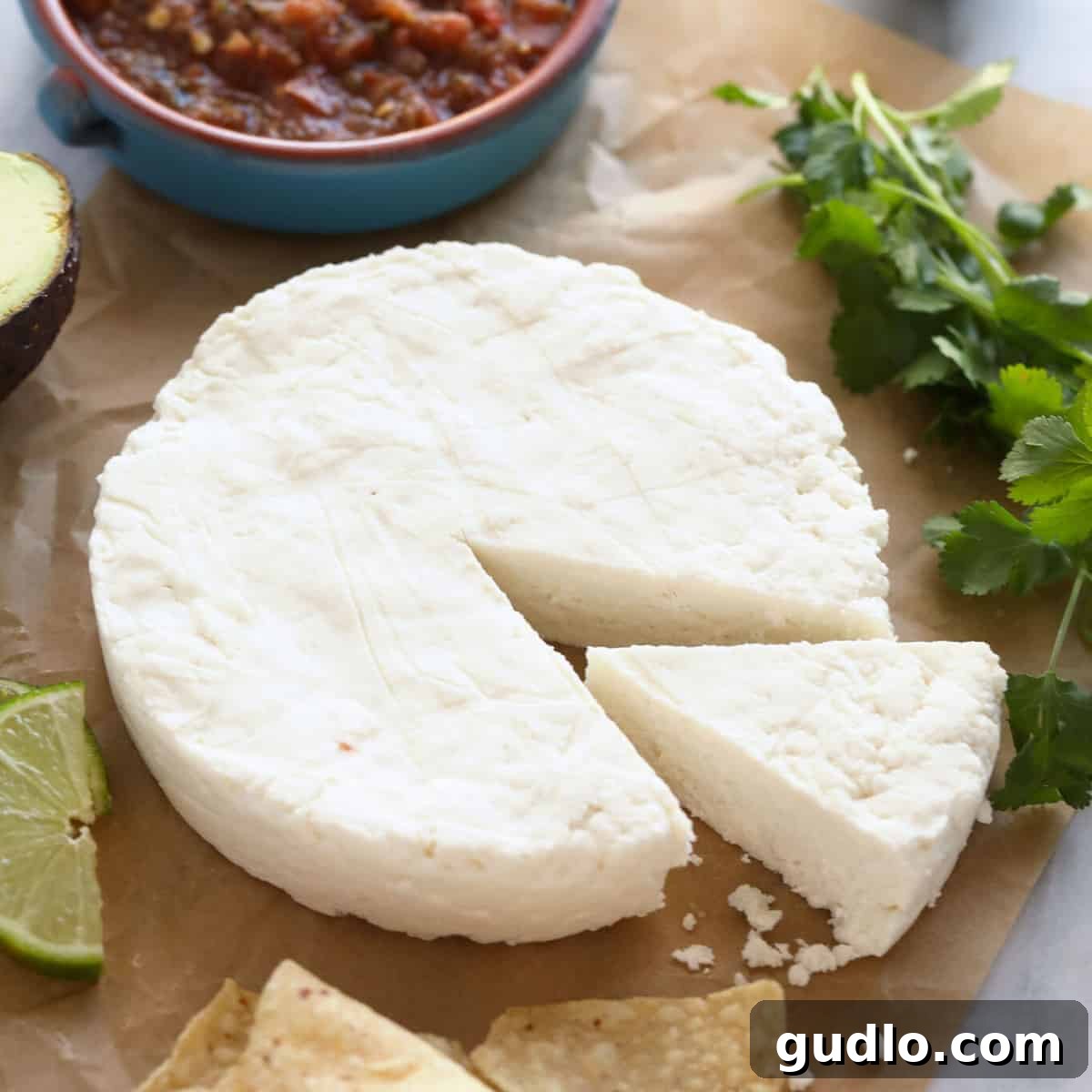
Discovering Cotija Cheese: A Deep Dive into Mexico’s Culinary Treasure
Cotija cheese, a vibrant and essential ingredient in Mexican cuisine, is a distinct white, crumbly cheese made from cow’s milk. Named after the charming town of Cotija de la Paz in Michoacán, Mexico, where it originated, this cheese brings a unique flavor and texture to countless dishes. Often likened to Parmesan, Cotija offers a delightful salty kick and a firm, crumbly consistency that makes it perfect for sprinkling over your favorite Mexican-inspired recipes. Join us as we explore everything you need to know about Cotija cheese, from its rich history and flavor profiles to its versatile culinary applications and handy substitutes.
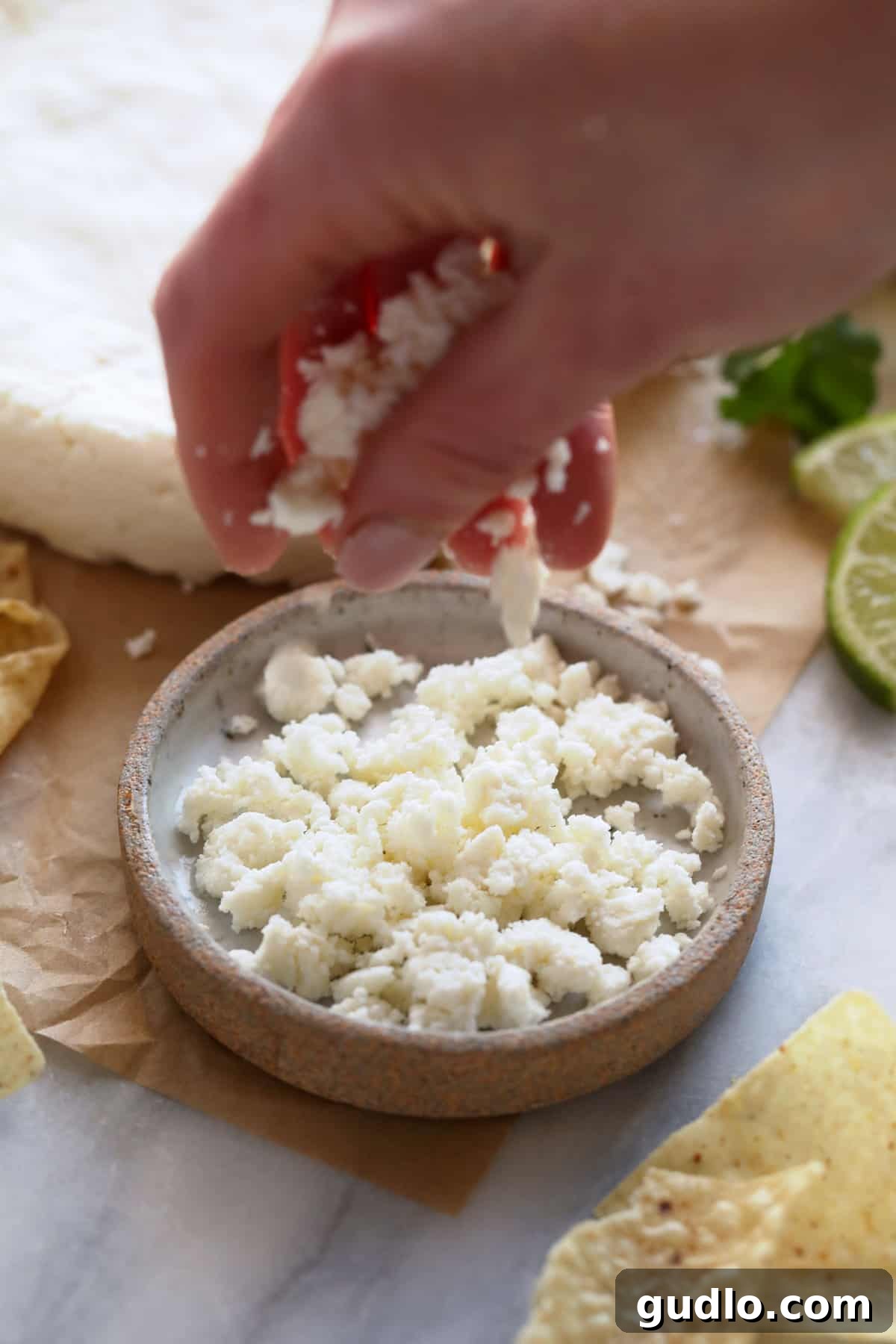
What is Cotija Cheese: Unpacking its Mexican Heritage
At its heart, Cotija is a traditional Mexican cheese renowned for its bold flavor and unique texture. Produced primarily in the mountainous region of Cotija, Michoacán, this cheese has been a staple in Mexican kitchens for centuries. It is typically made from raw cow’s milk, although pasteurized versions are widely available, especially for export. The cheese undergoes an aging process, contributing to its distinct characteristics. While often described generally as “Cotija,” it’s important to recognize that there are two main styles: Cotija de Montaña (aged) and Cotija Fresca (fresh), each offering a slightly different experience.
Cotija de Montaña, or “mountain Cotija,” is the most recognized form. This aged variety is a firm, dry cheese with a texture that is difficult to slice but easy to crumble or grate. Its salt content is notably high, which historically aided in its preservation, especially during long journeys from the remote mountain regions to markets. The aging process, which can range from three months to over a year, allows its flavors to intensify, developing a complex, piquant, and intensely savory profile. This traditional method of production and aging truly sets Cotija apart.
Cotija Fresca, on the other hand, is a younger, softer, and milder version of the cheese. It shares more similarities with queso fresco, being less salty and having a moister, more pliable crumb. While less common than its aged counterpart, Cotija Fresca offers a delicate tang and a milky freshness that can be enjoyed in different culinary contexts. Understanding these nuances helps appreciate the versatility of this beloved Mexican cheese.
The Distinctive Flavor and Texture Profile of Cotija
The taste of Cotija cheese is a delightful journey for the palate, varying significantly depending on its age. Fresh Cotija cheese presents a flavor profile akin to a mild feta, offering a pleasant tanginess and a moderate saltiness with a milky undertone. Its texture is softer, more moist, and crumbly, making it easy to integrate into dishes where a gentle cheesy note is desired.
However, it is the aged Cotija that truly earns its reputation. Often dubbed the “Parmesan of Mexico,” aged Cotija boasts a robust, salty, and wonderfully sharp flavor. As it matures, the cheese develops a deeper, more pungent aroma and a firm, granular texture that crumbles beautifully. This intense flavor profile is what makes aged Cotija such a powerful finishing ingredient, capable of elevating the taste of almost any dish. The high salt content is a defining characteristic, providing a powerful umami punch that can balance and enhance other ingredients.
In terms of texture, aged Cotija will not melt in the traditional sense when exposed to heat. Instead, it softens slightly, retaining its structural integrity and adding a pleasant chewiness without becoming gooey. This non-melting quality is a key feature that dictates its popular uses in Mexican cuisine, primarily as a topping or an ingredient to be mixed into dishes rather than a binder.
How Do I Say Cotija?
For those new to this wonderful cheese, mastering its pronunciation is simple. Cotija is a Spanish word, and it is pronounced as koh·tee·hah. Practicing it a few times will have you ordering and discussing this cheese like a connoisseur!
Culinary Uses: How to Enjoy Cotija Cheese
Cotija’s unique characteristics—its crumbly texture, intense saltiness, and non-melting property—make it an incredibly versatile ingredient in the kitchen. It excels as a finishing cheese, adding a burst of flavor and a touch of elegance to a wide array of dishes. Its savory punch is particularly complementary to the vibrant flavors found in Mexican cuisine, but its utility extends far beyond.
One of the most iconic uses for Cotija is in Mexican street corn (Elote) and Mexican corn salad (Esquites). Here, the crumbled cheese adheres beautifully to the roasted or grilled corn, combining with mayonnaise, chili powder, and lime juice to create an irresistible symphony of flavors and textures. The saltiness of the Cotija perfectly balances the sweetness of the corn and the tang of the lime, making it an indispensable component of these popular street foods.
Beyond corn dishes, Cotija is an ideal topping for virtually any savory meal where a salty, cheesy finish is desired. Sprinkle it generously over tacos, enchiladas, burritos, and nachos to add depth and an authentic Mexican touch. Its crumbly nature means it distributes evenly, ensuring every bite gets a taste of its distinctive flavor. It’s also a fantastic addition to soups and stews, like tortilla soup or slow cooker taco soup, where it softens slightly without dissolving, imparting a rich, savory note.
Don’t limit Cotija to just Mexican fare. Consider using it to enhance other dishes:
- Salads: A sprinkle of Cotija can elevate a simple green salad, adding a salty crunch.
- Roasted Vegetables: Tossed with roasted broccoli, cauliflower, or sweet potatoes, it creates a delicious contrast.
- Beans and Rice: A classic pairing, Cotija brings a simple bowl of beans and rice to life.
- Chili and Stews: Much like soups, Cotija is a wonderful garnish for a hearty bowl of chili, adding a layer of umami.
- Scrambled Eggs or Omelets: For a breakfast with a kick, crumble some Cotija over your eggs.
- Avocado Toast: A modern twist, Cotija pairs surprisingly well with creamy avocado.
Its non-melting attribute ensures that it maintains its form and texture even when heated, providing a delightful textural contrast that many other cheeses cannot offer. This quality is particularly desirable in dishes where you want the cheese to remain distinct rather than melt into a sauce.
Substitute for Cotija Cheese: What to Use When You’re Out
While Cotija cheese is unique, there are times you might find yourself without it. Fortunately, several cheeses can serve as good substitutes, depending on whether you’re looking for a stand-in for fresh or aged Cotija.
- For Fresh Cotija: A good substitute for the milder, moister fresh Cotija is crumbled feta cheese. Feta shares a similar crumbly texture and a pleasant saltiness, though its flavor profile leans more Mediterranean. Alternatively, queso fresco can work, but be advised that it is significantly milder and less salty than even fresh Cotija, so you may need to adjust the seasoning of your dish accordingly to compensate for the flavor difference.
- For Aged Cotija: When replicating the intense flavor and hard, crumbly texture of aged Cotija, Parmesan or Pecorino Romano are excellent choices. Both offer a robust, salty, and savory profile with a firm, grating texture that crumbles similarly to aged Cotija. Parmesan tends to be slightly milder and nuttier, while Pecorino Romano offers a sharper, tangier bite due to being made from sheep’s milk. Grana Padano can also be a suitable alternative for its similar texture and savory notes.
When substituting, always consider the primary function of the Cotija in your recipe. Is it for saltiness, texture, or a specific flavor? Choose your substitute based on which characteristic you want to emulate most closely, and don’t hesitate to taste and adjust other seasonings in your dish.
Cotija Cheese vs. Queso Fresco: Understanding the Key Differences
The terms “Cotija” and “Queso Fresco” are often used interchangeably or confused, but they refer to distinctly different Mexican cheeses. While both are white, crumbly cow’s milk cheeses, their flavor, texture, and uses vary significantly, mainly due to their aging processes.
- Cotija Cheese: As discussed, Cotija is known for its bold and intensely salty flavor, especially the aged variety. It has a firm, dry, and granular texture that crumbles but does not melt. Its robust flavor is perfect for adding a finishing touch to dishes, providing a strong savory counterpoint. Aged Cotija develops complex, pungent notes similar to aged Italian cheeses.
- Queso Fresco: In contrast, Queso Fresco (meaning “fresh cheese”) is, as its name suggests, a fresh, unaged cheese. It is much softer, moister, and significantly milder in flavor compared to Cotija. Queso Fresco has a milky, slightly tangy taste with very little saltiness. Its texture is soft and easily crumbled, but it can also be sliced. Like Cotija, it doesn’t melt into a smooth liquid but softens when heated, retaining its form. It’s often used to provide a creamy texture and mild cheesy flavor to dishes without overpowering other ingredients.
The fundamental difference lies in their intensity: Cotija delivers a powerful flavor punch, while Queso Fresco offers a gentle, fresh creaminess. Choosing between them depends entirely on the desired flavor impact and textural contribution to your recipe.
Cotija Cheese: Storage and Shelf Life
Proper storage is key to maintaining the quality and extending the shelf life of your Cotija cheese. The storage duration largely depends on whether you have fresh or aged Cotija.
- Aged Cotija: This firm, dry cheese has an excellent shelf life due to its low moisture and high salt content. When properly wrapped in parchment paper (to allow it to breathe) and then in plastic wrap or an airtight container, aged Cotija can last for up to 3 months or even longer in the refrigerator. If you notice any mold spots, simply cut them off, ensuring the remaining cheese is clean and firm.
- Fresh Cotija: Being softer and higher in moisture, fresh Cotija has a shorter shelf life, typically lasting about 2-3 weeks in the refrigerator when stored in an airtight container. Its freshness is more perishable, so it’s best consumed relatively quickly after purchase.
Can You Freeze Cotija Cheese? Yes, Cotija is one of the cheeses that freezes quite well, particularly the aged variety. Freezing is an excellent option if you’ve bought a large block or won’t be using it all within its refrigerated shelf life. To freeze, wrap the cheese tightly in plastic wrap, then place it in a freezer-safe bag or container to prevent freezer burn. It can be stored in the freezer for up to 6 months. When you’re ready to use it, thaw it in the refrigerator overnight. While the flavor will remain intact, you might notice a slight change in texture, becoming a bit more crumbly or mealy after thawing, but this is usually negligible, especially if you plan to crumble or grate it anyway.
Health Benefits and Nutritional Aspects of Cotija Cheese
Beyond its delicious taste, Cotija cheese also offers some nutritional benefits, like most dairy products. Made from cow’s milk, it is a good source of protein, essential for muscle repair and growth, and calcium, vital for bone health. A typical serving of Cotija also provides phosphorus and various B vitamins, contributing to overall well-being. Being a fermented product, it may contain beneficial bacteria, though the specific probiotic content can vary depending on the production method and aging process.
However, it’s important to note that Cotija cheese is notably high in sodium due to its preservation methods and flavor profile. Individuals monitoring their sodium intake should consume it in moderation. It also contains saturated fat, like most full-fat cheeses. As with all foods, Cotija is best enjoyed as part of a balanced diet, leveraging its intense flavor to enhance dishes without requiring large quantities.
Cotija Cheese FAQs
While cotija cheese will soften when heated, it does not melt into a smooth, gooey consistency like mozzarella or cheddar. It retains its crumbly form and texture, making it ideal for sprinkling over hot dishes where you want a distinct cheese presence.
The shelf life depends on the type. Aged cotija can keep for as long as 3 months or more in the fridge when stored properly. Fresh cotija, being softer and moister, has a much shorter shelf life, typically around 2-3 weeks.
Yes, aged cotija is very often referred to as “the Parmesan of Mexico” due to its similar firm, crumbly texture, intense saltiness, and robust, savory flavor profile. Both cheeses are excellent for grating or crumbling as a finishing touch.
Traditionally, Cotija is made with raw milk. However, in the United States, all cheese sold in major grocers that has been aged for less than 60 days must be made from pasteurized milk to comply with FDA regulations. Therefore, you’ll commonly find pasteurized Cotija in most supermarkets. Always check the label if this is a concern.
Yes! Cotija is a great cheese to freeze. For best results, wrap it tightly in plastic wrap and then place it in an airtight container or freezer bag. It can be stored for up to 6 months in the freezer. Thaw in the refrigerator before use.
Traditionally, Cotija cheese is made using animal rennet, which means it is not vegetarian. However, with growing consumer demand, some producers now offer vegetarian-friendly Cotija made with microbial rennet. Always check the ingredient list on the packaging if you follow a vegetarian diet.
Cotija cheese has become widely available due to its popularity. You can find it in the specialty cheese section of most large supermarkets, particularly those with a good international or Mexican food section. Latin American grocery stores are also an excellent source.
Pregnant women should typically avoid unpasteurized cheeses due to the risk of listeria. If you are pregnant, ensure that any Cotija cheese you consume is clearly labeled as being made from pasteurized milk. As mentioned, most Cotija sold in U.S. supermarkets is pasteurized, but it’s always safest to verify.
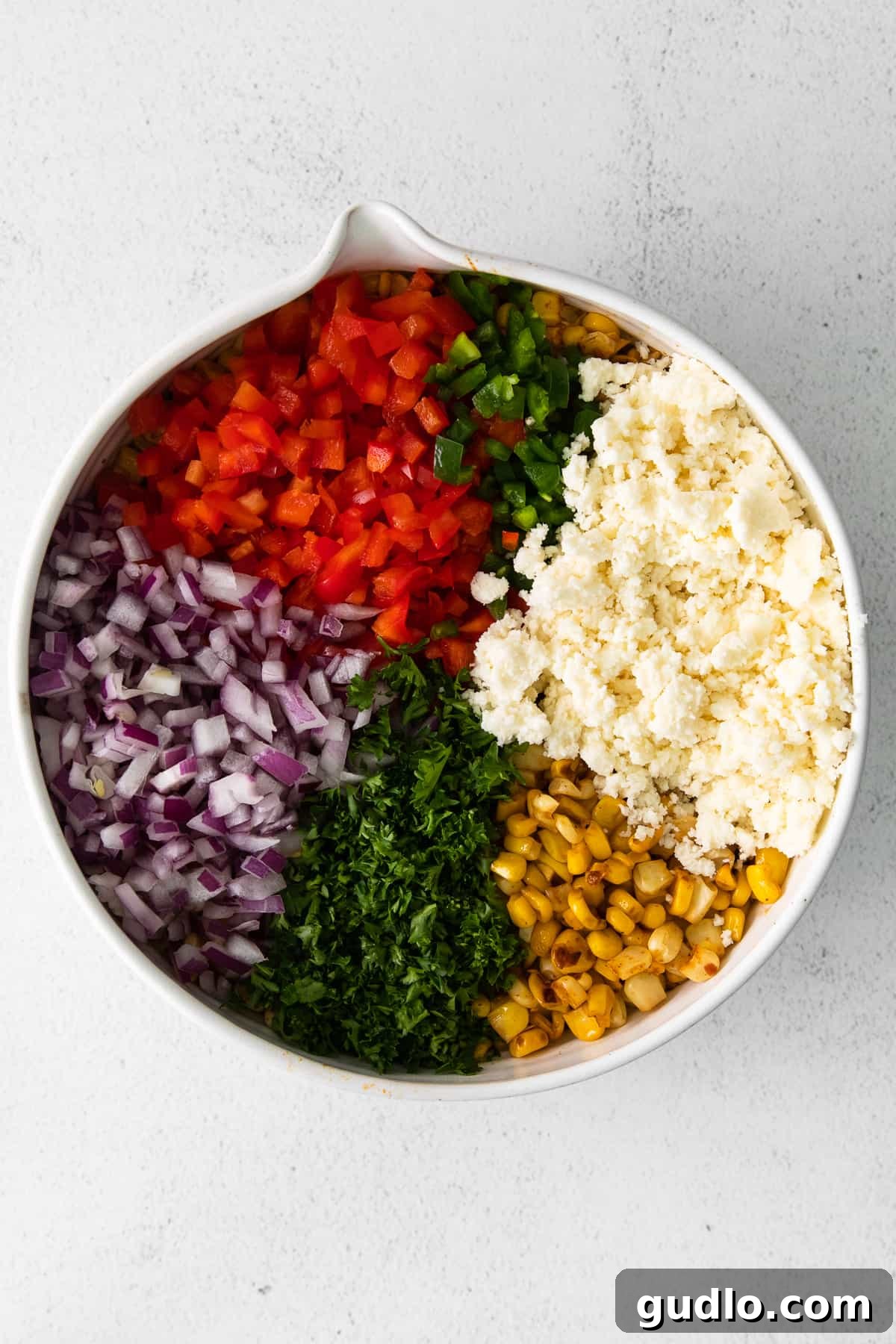
Explore More:
Recipes Featuring Cotija Cheese
Ready to put your Cotija knowledge to delicious use? This versatile cheese is perfect for enhancing a variety of dishes. Here are some of our favorite recipes where Cotija truly shines:
- Mexican Street Corn Casserole: A creamy, cheesy, and utterly satisfying take on a classic.
- Grilled Mexican Street Corn (Elote): The authentic way to enjoy grilled corn with Cotija, lime, and chili.
- Easy Steak Tacos: Elevate your taco night with a sprinkle of salty Cotija.
- Cheese Enchiladas: A comforting dish made even better with a touch of Cotija.
- Easy Corn Salad (Esquites): A fresh and vibrant side dish perfect for any meal.
- Slow Cooker Taco Soup: Finish off this hearty soup with a generous crumbling of Cotija for extra flavor.
Whether you’re a long-time fan or just discovering this incredible Mexican cheese, Cotija offers an unforgettable taste experience. Its powerful flavor and unique texture make it an indispensable ingredient for anyone looking to add an authentic and delicious touch to their cooking. So grab a block of Cotija and start experimenting – your taste buds will thank you!