
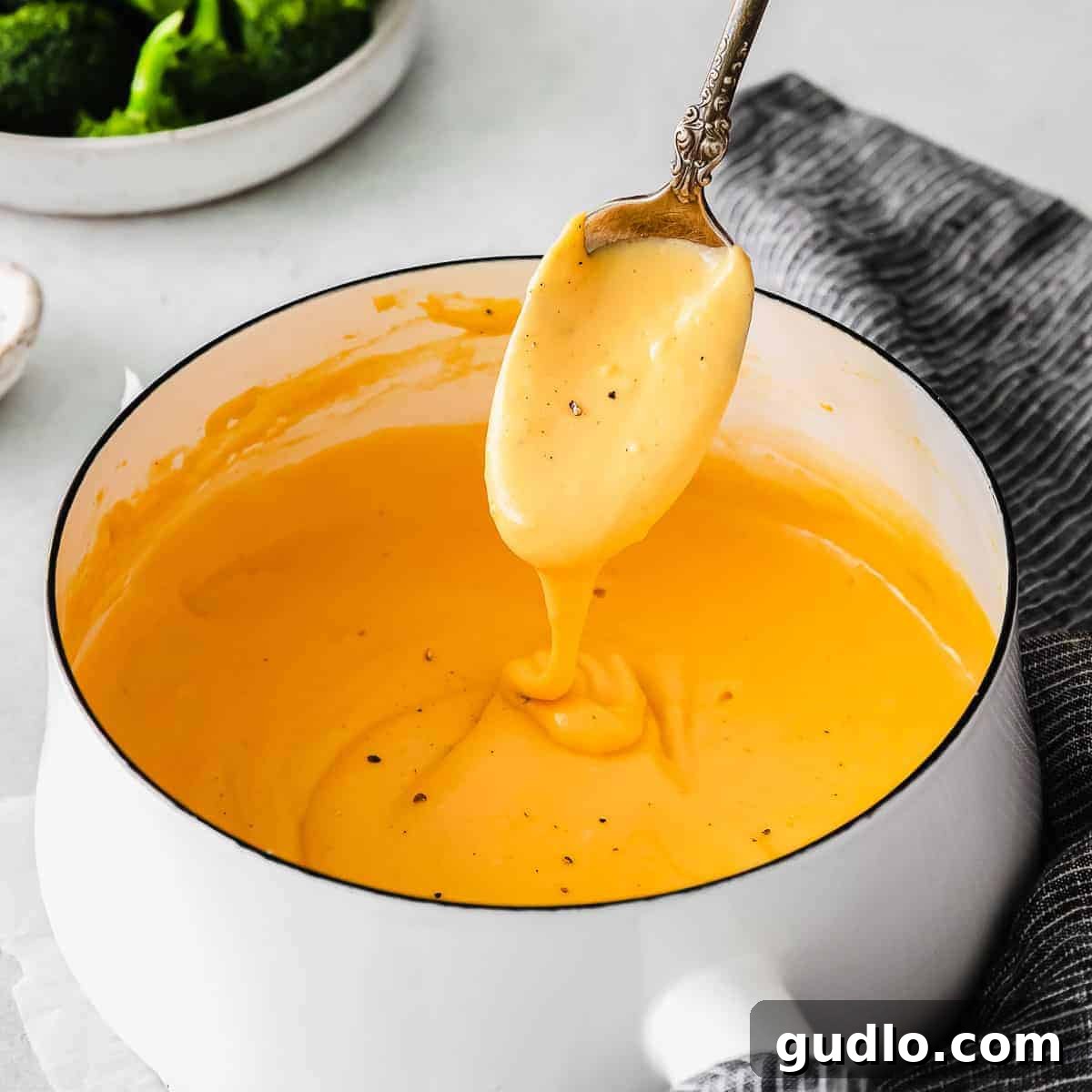
Transform your ordinary vegetables into an extraordinary culinary experience with this incredibly easy and delicious homemade cheese sauce for broccoli. Rich, velvety, and bursting with cheesy flavor, this sauce is ready in less than 20 minutes, promising to elevate not just broccoli, but a wide array of your favorite dishes.
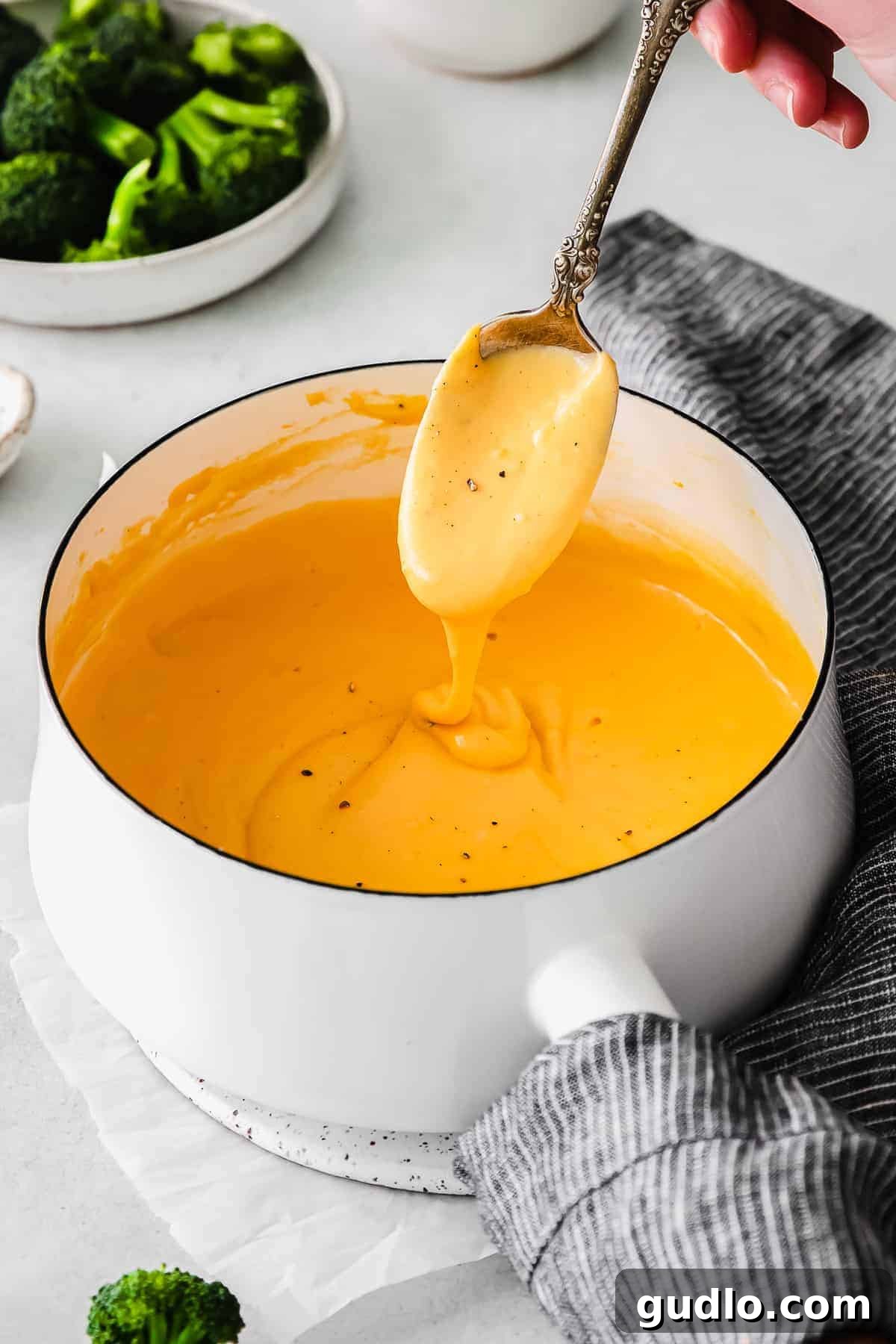
Creamy Cheese Sauce for Broccoli: The Ultimate Homemade Recipe
Have you ever found yourself with a plate of steamed broccoli, wishing it had a little extra something to make it truly irresistible? You’re not alone! Many vegetables, while nutritious, can sometimes benefit from a burst of flavor and texture. Our answer to boring broccoli is simple: a delectable, homemade broccoli cheese sauce that’s so good, it might just become your new staple.
This exquisite cheese sauce is not only luxuriously creamy and incredibly quick to prepare (under 20 minutes!), but it also offers unmatched versatility. Whether drizzled over freshly steamed florets, served as a vibrant dip for various veggies, or even incorporated into other main dishes, this recipe promises to revolutionize your meals. Say goodbye to plain, uninspired vegetables and hello to a world of cheesy deliciousness!
Essential Ingredients for Your Perfect Cheese Sauce
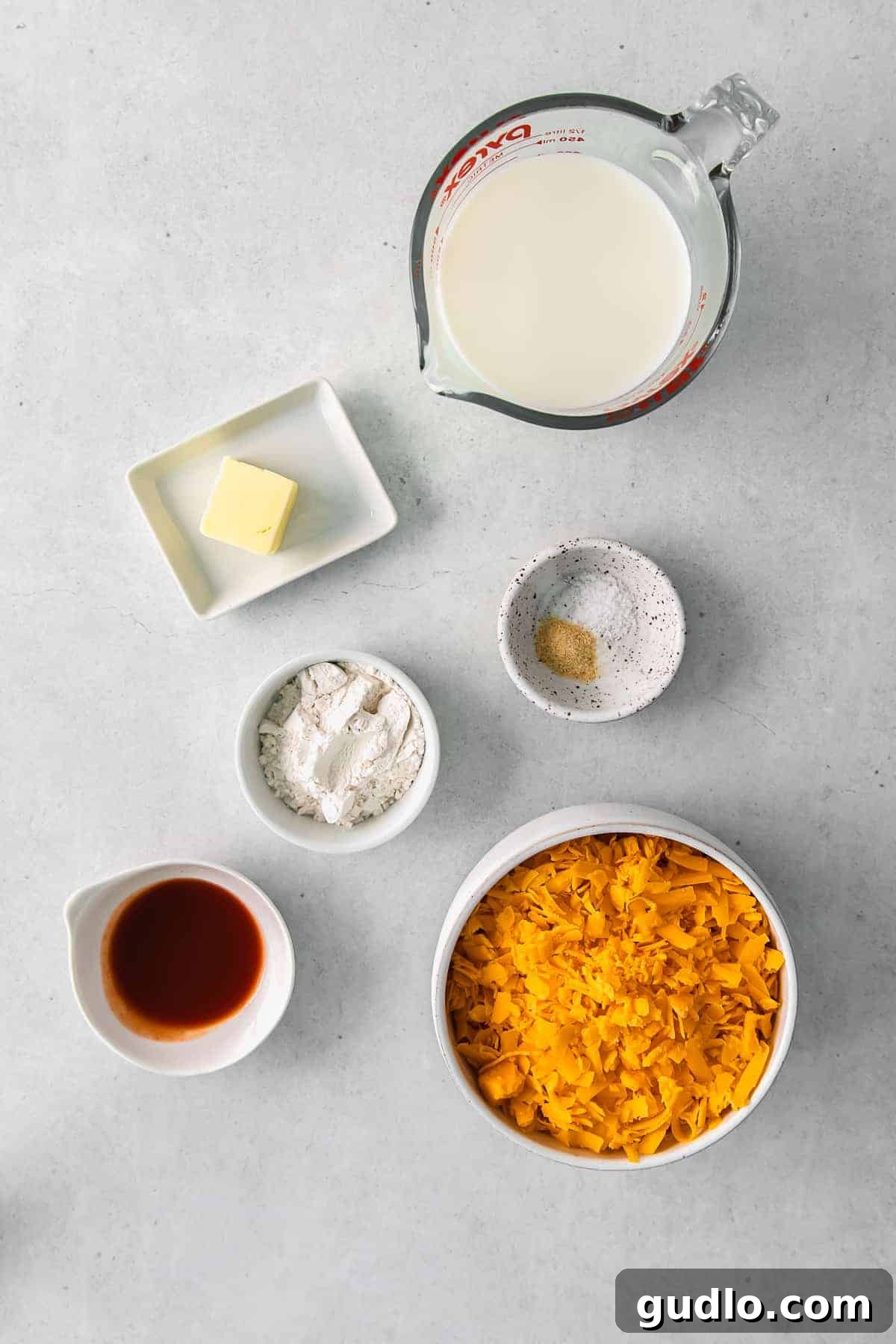
Crafting a truly exceptional cheese sauce begins with selecting the right ingredients. Each component plays a vital role in achieving that desirable creamy texture and rich flavor. Here’s what you’ll need to create this fantastic broccoli cheese sauce:
- Unsalted Butter: This is the foundation of our roux, which is essential for thickening the sauce. Using unsalted butter allows you precise control over the overall saltiness of your dish, ensuring a perfectly balanced flavor profile.
- All-Purpose Flour: All-purpose flour combines with melted butter to create the roux, the fundamental thickening agent for many creamy sauces, including this one. For those seeking alternatives, white whole wheat flour can be used for a slightly earthier flavor, or a 1:1 gluten-free all-purpose flour blend works perfectly for a gluten-free version of this recipe.
- 2% Milk: We recommend 2% milk as it provides a lovely balance of richness without making the sauce overly heavy. However, this recipe is quite flexible; whole milk will yield an even richer and thicker sauce, while 1% milk will result in a slightly lighter consistency. For dairy-free options, unsweetened and unflavored almond milk or soy milk can be excellent substitutes, though they might subtly alter the final flavor and consistency.
- Cheddar Cheese: The undeniable star of this recipe! For the best melting consistency and the most robust flavor, we highly recommend purchasing a block of your favorite sharp or medium cheddar cheese and shredding it yourself. Pre-shredded cheeses often contain anti-caking agents that can hinder smooth melting, leading to a grainy or clumpy sauce. Freshly grated cheese, on the other hand, melts into a beautifully smooth and luscious consistency, making all the difference.
- Spices (Salt, Black Pepper, Granulated Garlic): These simple yet powerful seasonings are crucial for enhancing the depth of flavor in your cheese sauce. Salt balances the richness of the cheese, freshly ground black pepper adds a subtle warmth, and granulated garlic introduces a savory, aromatic note that complements the cheddar beautifully. Garlic powder can be used as a convenient substitute if granulated garlic isn’t readily available.
- Hot Sauce: Our secret ingredient for a delightful, subtle kick! A vinegar-based hot sauce, such as Frank’s RedHot, adds a touch of tanginess and a gentle heat that brightens the overall flavor profile of the cheese sauce, preventing it from tasting one-dimensional. You can adjust the amount to your personal preference for a mild hint or a more pronounced spice.
Can I use Velveeta instead of cheddar cheese? Yes, absolutely! If you prefer the iconic smoothness and milder flavor of Velveeta, you can certainly use shredded Velveeta in place of freshly shredded cheddar cheese. Velveeta is known for its incredible meltability and consistent texture, making it a great option for a super smooth sauce. For a dedicated guide on making a classic Velveeta cheese sauce, feel free to explore this detailed post.
Crafting Your Creamy Cheese Sauce: A Step-by-Step Guide
Creating this rich and smooth cheese sauce is surprisingly simple, requiring just a handful of ingredients and about 15-20 minutes of your time. Follow these five easy steps to achieve a perfectly creamy sauce that will become a go-to in your kitchen:
Step 1: Prepare the Roux (The Essential Thickening Base)
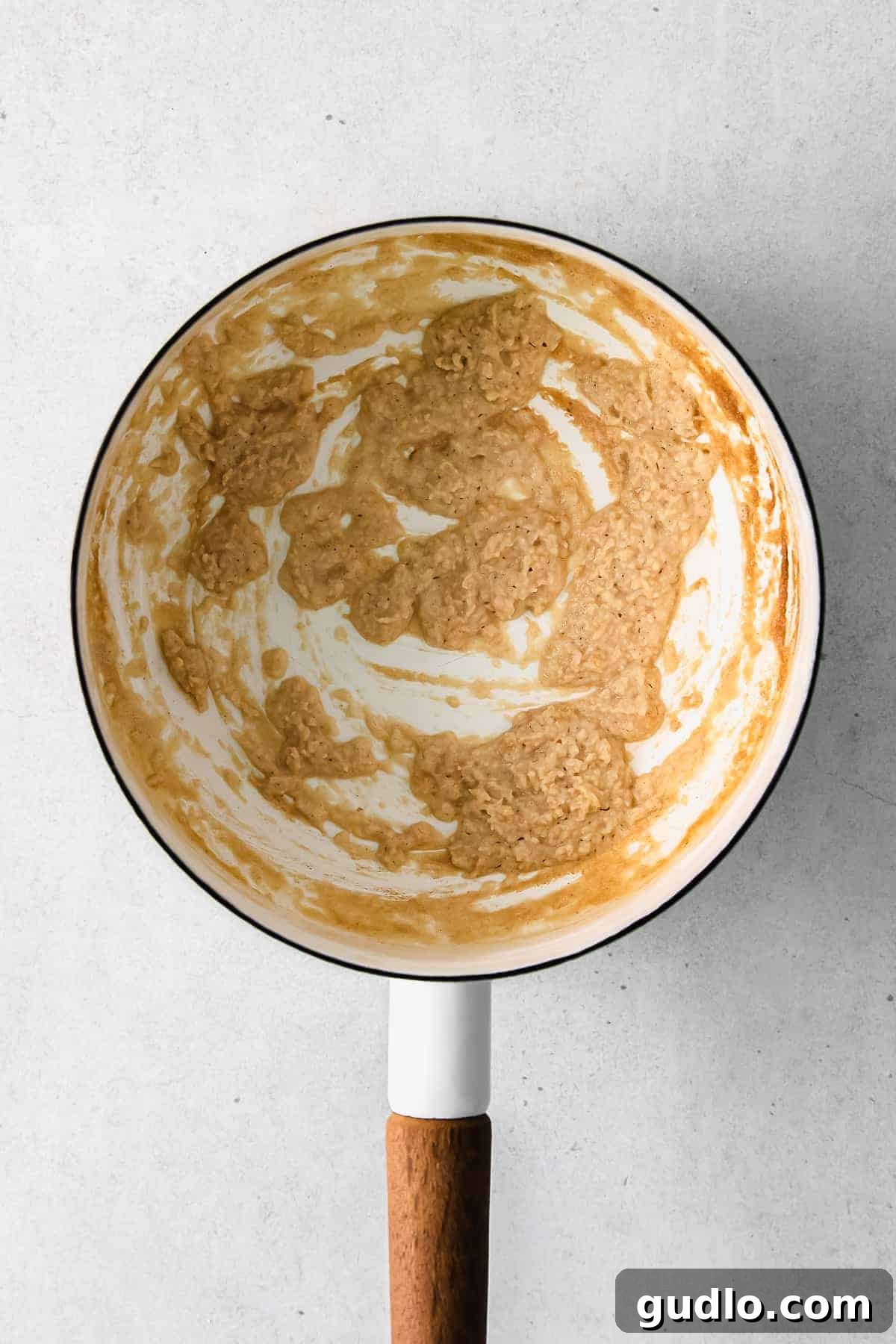
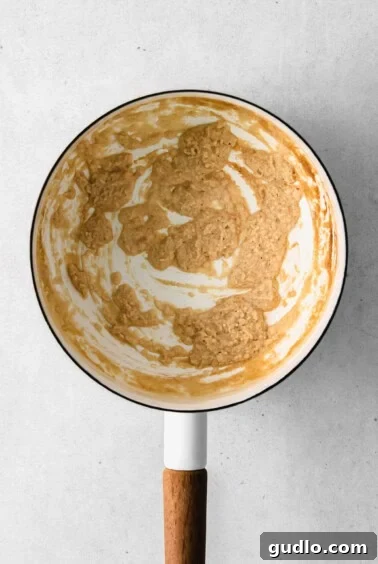
Begin by heating a large saucepan or a Dutch oven over medium-high heat. Add the unsalted butter and allow it to melt completely. Once the butter is fully melted and slightly shimmering, sprinkle in the all-purpose flour. Immediately whisk vigorously until the butter and flour combine to form a smooth paste or crumble. Continue cooking and whisking for 1-2 minutes; this crucial step cooks out the raw taste of the flour and prevents a pasty flavor in your final sauce. Be careful not to let it brown too much, as we want a light roux for a classic cheese sauce.
Step 2: Gradually Whisk in the Milk
With your roux ready, slowly pour the milk into the pot, adding just a little at a time, while continuously whisking. This gradual addition and constant whisking technique are paramount for preventing lumps and ensuring a perfectly smooth sauce. Keep whisking over medium-high heat. As the mixture heats, it will gradually begin to thicken. Continue cooking and whisking for approximately 4-6 minutes, or until the sauce reaches your desired consistency – thick enough to generously coat the back of a spoon. It should be smooth and free of any floury taste.
Step 3: Remove from Heat and Melt the Cheese
Once the roux has thickened beautifully and reached the desired consistency, promptly remove the saucepan from the heat. This step is important because adding cheese to boiling liquid can cause it to separate, become oily, or turn stringy. Add the freshly shredded cheddar cheese to the hot sauce base. Whisk gently but consistently until all the cheese has completely melted into a wonderfully smooth, glossy, and luscious consistency. The residual heat from the sauce will be more than sufficient to melt the cheese perfectly without scorching it.
Step 4: Season and Customize
Now it’s time to add your chosen flavor enhancers. Stir in the granulated garlic, hot sauce (if you’re using it for that extra kick), salt, and freshly ground black pepper into the melted cheese mixture. Mix all the ingredients thoroughly until they are well combined and evenly distributed. Taste the sauce and adjust the seasonings as needed. You might find you want a little more salt, pepper, or hot sauce to perfectly suit your palate.
Step 5: Serve Hot and Enjoy!
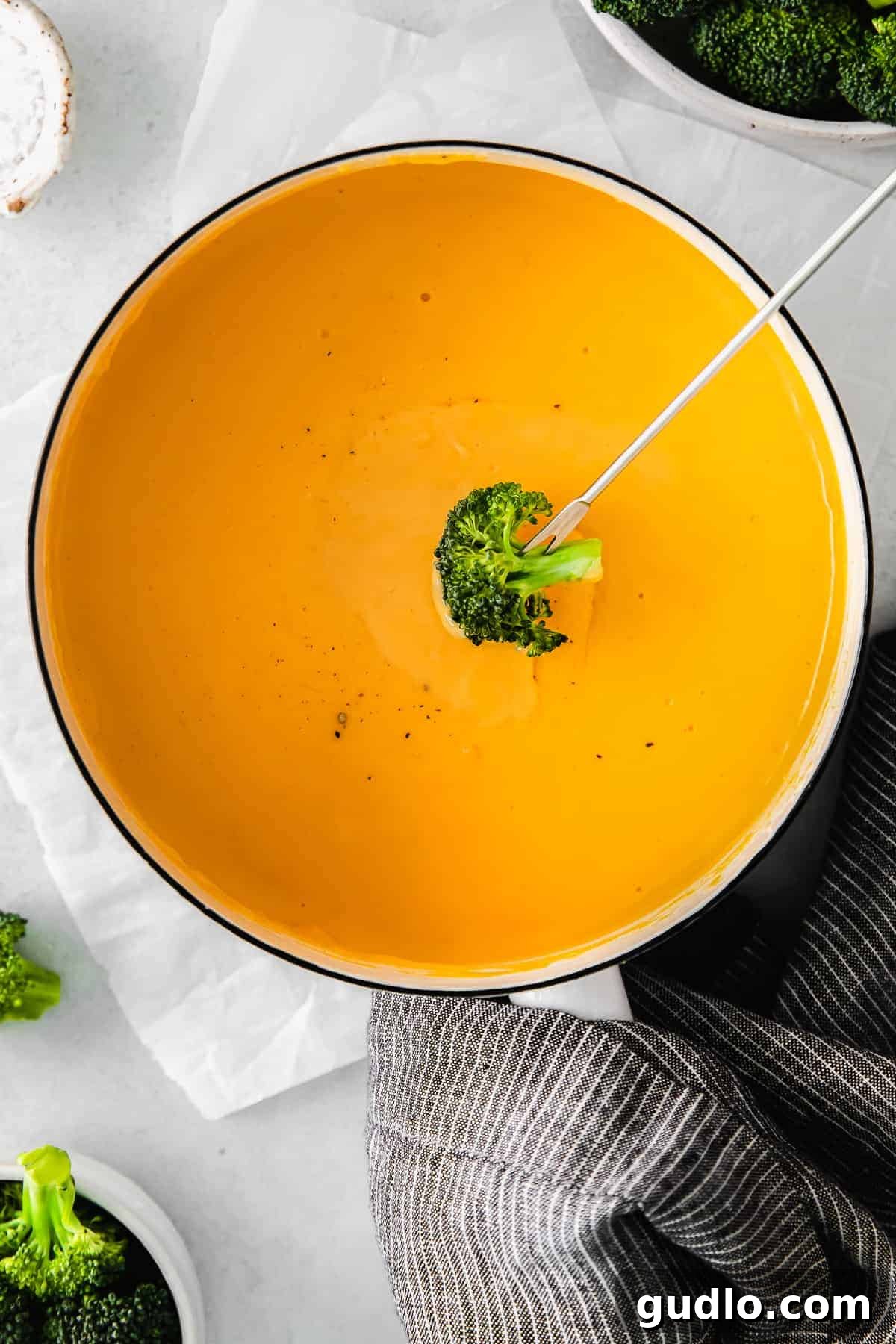
Your magnificent homemade cheese sauce is now ready to be enjoyed! Serve it immediately over a mound of freshly steamed broccoli, roasted cauliflower, or crispy baked potatoes. It also makes a fantastic dip for various fresh vegetables. Honestly, it’s so rich and satisfying, you might even be tempted to eat it straight from the pot with a spoon!

Tutorial
How to Grate Cheese Effectively
Whether you have a trusty box grater at home or find yourself needing grated cheese without a traditional grater, we’ve got you covered with simple methods on how to grate cheese efficiently for optimal melting and flavor.

Beyond Broccoli: Creative Ways to Serve Your Cheese Sauce
While this cheese sauce is undeniably phenomenal when paired with broccoli, its rich flavor and incredibly creamy texture make it exceptionally versatile. Don’t limit yourself to just one vegetable; explore these fantastic ways to incorporate this homemade delight into various meals:
- The Classic Broccoli Companion: The most popular choice for a reason! Prepare a perfect batch of easy steamed broccoli, then generously drizzle this luscious cheese sauce over the florets for the ultimate comforting and satisfying side dish. It’s a complete game-changer that makes eating your greens an absolute pleasure!
- A Delightful Vegetable Dip: Serve your warm homemade cheese sauce in a small, elegant bowl, surrounded by an enticing assortment of fresh or lightly steamed vegetables. Think vibrant cauliflower florets, crisp bell pepper slices, crunchy carrot sticks, blanched asparagus spears, or even roasted potato wedges. It transforms any veggie platter into an instant, easy cheese fondue experience that everyone will love!
- Enhance Your Main Dishes: Take your proteins and pasta dishes to the next level with a decadent touch. Drizzle this rich sauce over a simple grilled chicken breast, baked fish, or use it to moisten and flavor more elaborate creations like broccoli and cheese stuffed chicken breast. It also serves as an excellent, velvety base for homemade macaroni and cheese or a savory sauce for various pasta dishes, adding depth and creaminess.
- Baked Potato Topping Perfection: Forget plain butter and sour cream! A generous dollop of this warm, savory cheese sauce transforms a humble baked potato into a hearty, satisfying, and incredibly flavorful meal. For an extra touch of flair, sprinkle with some fresh chives or crispy bacon bits.
- Quick Nacho Upgrade: Looking for a speedy and easy nacho cheese alternative? Look no further! Pour this homemade sauce over a pile of crispy tortilla chips and add your favorite toppings—jalapeños, salsa, ground beef—for a super quick snack or impressive appetizer that tastes far superior to anything from a can.
- Breakfast & Brunch Boost: Elevate your morning meals with a savory twist. A drizzle of this flavorful sauce over your scrambled eggs, omelets, or even a frittata can turn an ordinary breakfast into something truly special and indulgent.
Expert Tips for the Perfect Cheese Sauce Every Time
To ensure your homemade cheese sauce is consistently smooth, creamy, and bursting with flavor, keep these expert tips in mind:
- Always Shred Your Own Cheese: This is arguably the most important tip. Pre-shredded cheeses contain cellulose or other anti-caking agents that can make your sauce gritty, lumpy, or prevent it from melting smoothly. Freshly shredded cheese melts beautifully into a velvety consistency.
- Control the Heat: When making the roux, cook it over medium heat to prevent burning the flour. When melting the cheese, remove the pan from direct heat. Too much heat can cause the cheese to separate and become oily or stringy.
- Whisk, Whisk, Whisk: Constant whisking is your best friend, especially when adding the milk to the roux. This prevents lumps from forming and ensures a silky-smooth sauce. A good quality whisk makes a big difference.
- Add Milk Gradually: Don’t dump all the milk in at once. Pour it in slowly, a little at a time, while continuously whisking. This allows the roux to properly absorb the liquid and prevents lumps.
- Adjust Consistency: If your sauce is too thick, whisk in a tablespoon or two of warm milk until it reaches your desired consistency. If it’s too thin, you can try simmering it gently for a few more minutes to reduce it slightly, or make a very small additional roux and whisk it in gradually.
- Taste and Adjust Seasoning: Always taste your sauce before serving. Cheese varies in saltiness, so you might need to adjust the amount of salt, pepper, or hot sauce to suit your preference.
Broccoli Cheese Sauce FAQs
Not at all! In moderation, a delicious cheese sauce can make vegetables significantly more appealing, especially for picky eaters or those looking to add more flavor to their diet. It’s a wonderful way to encourage vegetable consumption and adds beneficial fats and calcium. The key, as with most foods, is balance and enjoying it as part of a varied diet.
While this specific recipe relies on a flour roux for thickening, you can easily make it gluten-free by swapping the all-purpose flour for a 1:1 gluten-free all-purpose flour blend. Many reputable brands, such as Bob’s Red Mill’s Gluten-Free 1-to-1 Baking Flour, work wonderfully in a roux, providing the same thickening power without the gluten. Another option is to use cornstarch slurry (cornstarch mixed with a little cold water) added at the end, but the texture will be slightly different.
Yes, you absolutely can! If you’re looking for a dairy-free alternative or prefer another type of milk, unsweetened and unflavored almond milk, cashew milk, or even oat milk can be used in place of cow’s milk. Just ensure they are plain and unsweetened to avoid any unwanted sweetness or artificial flavors that could conflict with your savory cheese sauce. The sauce might be slightly thinner or have a subtly different flavor profile, but it will still be delicious and creamy.
We generally do not recommend freezing this particular cheese sauce. Dairy-based sauces that are thickened with a roux, especially those containing cheese, tend to separate and become grainy or watery upon thawing and reheating. The emulsion often breaks, resulting in an undesirable and unpleasant texture. It’s best enjoyed fresh or stored in the refrigerator for a few days.
Absolutely! This recipe is incredibly adaptable, making it easy to customize the flavor profile. While sharp cheddar is a classic and highly recommended choice, feel free to experiment with other good melting cheeses to truly make it your own. Excellent options include shredded Monterey Jack for a milder, extra creamy sauce, Pepper Jack for a delightful spicy kick, Gruyere for a sophisticated nutty flavor, or even a blend of cheeses like cheddar and Colby for a richer, more complex profile. Explore and find your favorite combination!
The key to a perfectly smooth sauce lies in two main techniques. First, ensure your roux (the butter and flour mixture) is thoroughly cooked and smooth before adding any liquid. It should be a uniform paste. Second, and most importantly, add the milk slowly and gradually while continuously whisking. This allows the flour to fully dissolve and prevents lumps from forming. Also, make sure to remove the sauce from direct heat just before stirring in the cheese to prevent it from seizing or separating, which can also lead to a grainy texture.

Storing and Reheating Your Homemade Cheese Sauce
To ensure your delicious cheese sauce remains fresh and flavorful for future enjoyment, proper storage and reheating techniques are essential:
- Storage: First, allow your homemade cheese sauce to cool completely to room temperature. This is important to prevent condensation and bacterial growth. Once thoroughly cooled, transfer the sauce into an airtight container and seal it tightly. Store the container in the refrigerator for optimal freshness for up to 3-5 days.
- Reheating: When you’re ready to enjoy your sauce again, transfer the chilled cheese sauce into a large frying pan or saucepan. The sauce will likely be quite thick when cold. To restore its creamy consistency, add a few tablespoons of milk (or even water or vegetable broth). Reheat the sauce gently over medium-low heat, whisking constantly, until it is warm, smooth, and has returned to its desired consistency. Reheating this cheese sauce for broccoli slowly and gently is absolutely crucial; it helps to prevent any undesirable changes in texture, such as separation, curdling, or graininess, ensuring it returns to its original velvety state. Avoid using high heat, which can cause the cheese to seize or the sauce to break, resulting in an unappealing texture.

Discover More of Our Favorite…
Cheesy Dips & Sauces
- Classic Cheese Fondue
- Homemade Nacho Cheese Sauce
- Spicy Buffalo Whipped Cottage Cheese Dip
- Hearty Beer Cheese Dip for Game Day
- Savory Pretzel Cheese Dip
Recipe: Creamy Homemade Cheese Sauce for Broccoli
This easy, homemade cheese sauce for broccoli is made with a simple flour roux, milk, and sharp cheddar cheese. It takes just minutes to whip up and transforms any vegetable into a comforting and delicious dish.
Quick Stats:
- Prep Time: 5 minutes
- Cook Time: 15 minutes
- Total Time: 20 minutes
- Servings: 6
Ingredients:
- 2 tablespoons unsalted butter
- 3 tablespoons all-purpose flour (or 1:1 gluten-free flour blend for GF option)
- 1.5 cups 2% milk (or whole milk, 1%, unsweetened almond milk)
- 8 oz. sharp cheddar cheese, freshly shredded (see notes for alternatives)
- 1/4 teaspoon salt (adjust to taste)
- 1/4 teaspoon ground black pepper (adjust to taste)
- 1/4 teaspoon granulated garlic (or garlic powder)
- 1 – 2 tablespoons buffalo hot sauce (e.g., Frank’s RedHot, optional, adjust to taste)
Instructions:
- Prepare the Roux: Heat a saucepan or Dutch oven over medium-high heat. Add butter and allow it to melt completely.
- Form the Paste: Once the butter is melted, add the all-purpose flour and whisk continuously until the butter and flour form a smooth paste or crumble. Cook for 1-2 minutes to eliminate the raw flour taste.

- Whisk in Milk: Slowly pour the milk into the pot, a little at a time, while whisking constantly. Continue whisking over medium-high heat for about 4-6 minutes, or until the mixture thickens to a creamy sauce consistency.
- Melt the Cheese: Remove the saucepan from the heat. Add the freshly shredded cheddar cheese and whisk until the cheese has completely melted into the sauce, creating a smooth and luscious texture.
- Season: Stir in the granulated garlic, hot sauce (if using), salt, and black pepper. Mix thoroughly and taste, adjusting seasonings as desired.
- Serve: Drizzle the warm cheese sauce generously over cooked broccoli, or use it as a delightful dip for broccoli florets and other favorite vegetables. Enjoy immediately!


Tips & Notes:
- For the smoothest and best-melting cheese sauce, always shred your own block of cheddar cheese instead of using pre-shredded varieties.
- While 2% milk was used, feel free to use 1% milk or whole milk for varying levels of richness. Unsweetened, unflavored dairy-free milks can also work as substitutes.
- Remove the sauce from heat before adding cheese to prevent it from becoming grainy or separating.
Nutrition (Approximate Per Serving):
- Calories: 230 kcal
- Carbohydrates: 7 g
- Protein: 11 g
- Fat: 18 g
- Fiber: 0 g
- Sugar: 3 g
Nutrition information is automatically calculated and should be used as an approximation.
Don’t forget to tag your posts on social media with the hashtag #cheeseknees. We’d love to see your cheesy creations!